THE ADVENTURE COLLECTIVE® · Independent discovery and booking for outdoor travel

Follow a single route from Lima’s colonial streets to the Nazca desert glyphs, Paracas’ marine life, and the terraces of Machu Picchu. This eight-day loop pairs coastal ecology with highland archaeology—plan for flights, altitude, and rugged stone paths.
Follow a single route from Lima’s colonial streets to the Nazca desert glyphs, Paracas’ marine life, and the terraces of Machu Picchu. This eight-day loop pairs coastal ecology with highland archaeology—plan for flights, altitude, and rugged stone paths.
You step from the warm Lima air into a route that stitches desert, sea and high Andes into a single itinerary.
Verified experiences and guided adventures in the surrounding area.
Operated by VIPAC Travel · Lima, Lima
You step from the warm Lima air into a route that stitches desert, sea and high Andes into a single itinerary.
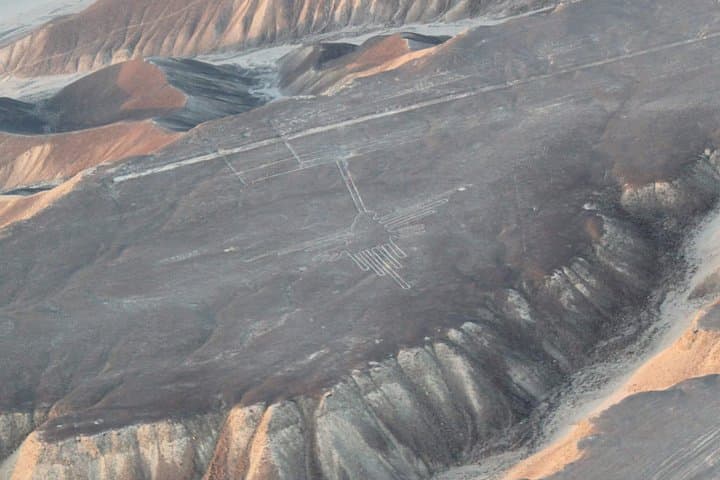
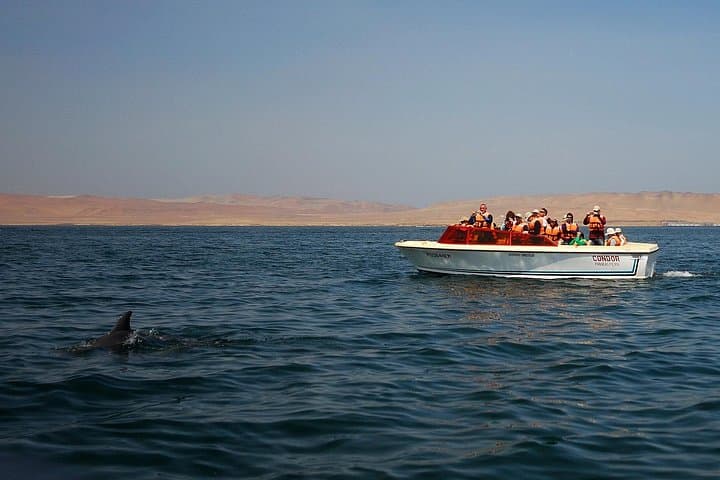
On day two a light aircraft tilts over the ochre pampa and the Nazca Lines open beneath you — long, deliberate strokes in the earth that refuse simple explanation. The route then slides south to Paracas, where the ocean presses against sculpted cliffs and the Ballestas Islands throw up colonies of sea lions and penguins, curious and unbothered by passing boats.
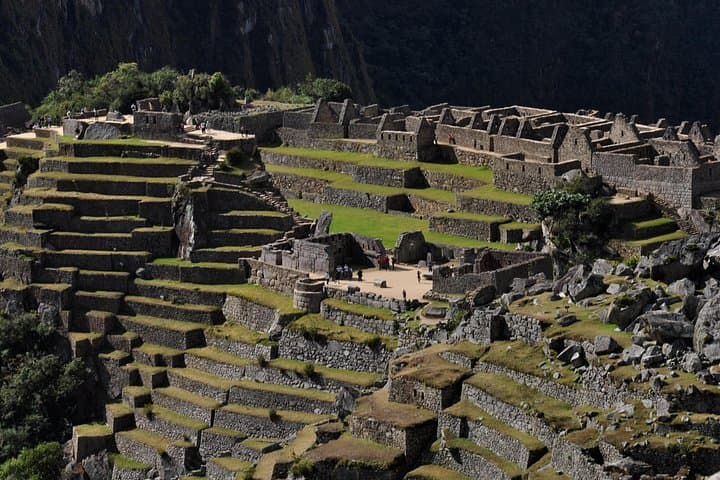
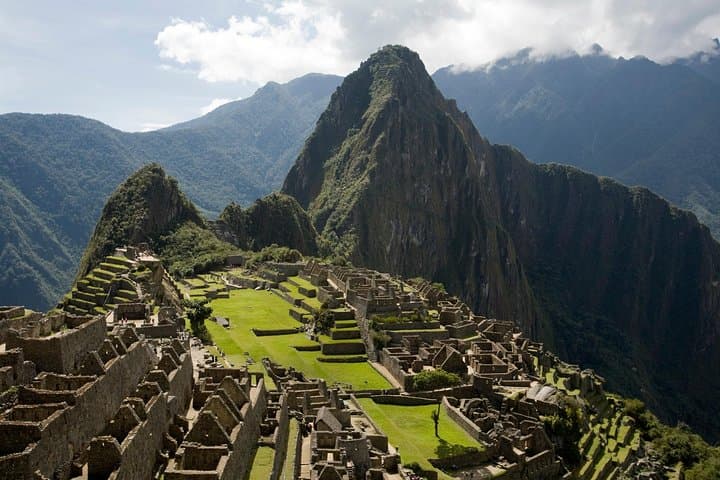
From the coast the trip pivots inland: Cusco’s steep streets and the Sacred Valley’s agricultural terraces lay out the Inca world—stonework that resists erosion and a landscape shaped by tectonic uplift and glacial carving. Machu Picchu caps the week, an engineered city clinging to a ridge above the Urubamba River, where ceremonial plazas and terraces still hold a quiet gravity.
History arrives in layers here: pre-Inca cultures on the coast, the Nazca’s geoglyphs, and the Incas’ highland mastery, each place a chapter in Peru’s long human story. Geologically you’ll notice the contrast — sandy coastal plains, marine terraces, then suddenly the basalt and granite bones of the Andes.
Practical edge: be ready for altitude change (Cusco ~3,400 m); hydrate, spend at least a day acclimatizing, and pack sun protection. Book Nazca flights and Machu Picchu train seats early—both sell out. Expect light-to-moderate walking on uneven stone and narrow paths; comfortable walking shoes and layered, rain-proof clothing are essential. Travel with patience and curiosity, and the encounters here—wild, archaeological and cultural—reward close attention.
moderate.
8 days.
Moderate: able to walk 3–6 miles a day on uneven surfaces and tolerate altitude-related exertion
Visits involve moderate walking on stepped terraces and uneven stone; most routes are doable for people in reasonable fitness but include short steep sections.
Small aircraft limit age for safety and comfort—overflights are generally not recommended for children under 8 due to turbulence and aircraft size.
Yes—entrance slots and train seats are limited; book as early as possible and confirm which visitor circuit you will use.
Symptoms can appear in Cusco; ascend slowly, hydrate, eat lightly, rest, and consult a physician about preventative medication before travel.
The Nazca geoglyphs date from 200 BCE–600 CE and remain debated in purpose; the Inca reworked older highland landscapes into terraces and ritual centers that persist today.
Machu Picchu visitor circuits and capacity limits aim to reduce erosion and crowding; Paracas and Ballestas are protected marine reserves—respect signage and avoid disturbing wildlife.
VIPAC Travel operates guided outdoor trips and adventures with an emphasis on safety, stewardship, and memorable experiences.
You step from the warm Lima air into a route that stitches desert, sea and high Andes into a single itinerary.
You step from the warm Lima air into a route that stitches desert, sea and high Andes into a single itinerary.
On day two a light aircraft tilts over the ochre pampa and the Nazca Lines open beneath you — long, deliberate strokes in the earth that refuse simple explanation. The route then slides south to Paracas, where the ocean presses against sculpted cliffs and the Ballestas Islands throw up colonies of sea lions and penguins, curious and unbothered by passing boats.
From the coast the trip pivots inland: Cusco’s steep streets and the Sacred Valley’s agricultural terraces lay out the Inca world—stonework that resists erosion and a landscape shaped by tectonic uplift and glacial carving. Machu Picchu caps the week, an engineered city clinging to a ridge above the Urubamba River, where ceremonial plazas and terraces still hold a quiet gravity.
History arrives in layers here: pre-Inca cultures on the coast, the Nazca’s geoglyphs, and the Incas’ highland mastery, each place a chapter in Peru’s long human story. Geologically you’ll notice the contrast — sandy coastal plains, marine terraces, then suddenly the basalt and granite bones of the Andes.
Practical edge: be ready for altitude change (Cusco ~3,400 m); hydrate, spend at least a day acclimatizing, and pack sun protection. Book Nazca flights and Machu Picchu train seats early—both sell out. Expect light-to-moderate walking on uneven stone and narrow paths; comfortable walking shoes and layered, rain-proof clothing are essential. Travel with patience and curiosity, and the encounters here—wild, archaeological and cultural—reward close attention.