THE ADVENTURE COLLECTIVE® · Independent discovery and booking for outdoor travel

See the Nazca Lines from the air on a day trip from Lima: a Pisco aerodrome overflight that reveals giant geoglyphs, plus a wildlife cruise to the Ballestas Islands. This full-day excursion blends archaeology, coastal geology and marine wildlife viewing.
See the Nazca Lines from the air on a day trip from Lima: a Pisco aerodrome overflight that reveals giant geoglyphs, plus a wildlife cruise to the Ballestas Islands. This full-day excursion blends archaeology, coastal geology and marine wildlife viewing.
The plane lifts from Pisco and the desert unfurls below like a wound-back sheet of rust and pale sand — enormous figures, straight lines and geometric runs cutting through the pampa. From a Cessna Grand Caravan you’ll see the hummingbird pitch its wings across the plateau, the monkey curl its tail, and long runways of etched lines that keep their shape in the dry air.
Verified experiences and guided adventures in the surrounding area.
Operated by Peru4Fun Servicios Turísticos EIRL · Nazca, Ica Region
The plane lifts from Pisco and the desert unfurls below like a wound-back sheet of rust and pale sand — enormous figures, straight lines and geometric runs cutting through the pampa. From a Cessna Grand Caravan you’ll see the hummingbird pitch its wings across the plateau, the monkey curl its tail, and long runways of etched lines that keep their shape in the dry air.
These geoglyphs were made by the Nasca culture between roughly A.D. 1 and 700 by removing the oxidized surface stones to expose lighter sands beneath; the lack of rain and wind has preserved them for centuries. Geologically the region is coastal desert: wind-polished gravel plains and terraces that meet the sea near Paracas, where seabirds and marine mammals congregate. Cultural threads run from pre-Columbian irrigation systems like the Cantalloc aqueducts to colonial-era pisco distilleries around Pisco — sites often included on the day’s route.
Practically, expect a full 10–12 hour day: a 3–3.5 hour drive from Lima to Pisco, a 1 hour 35 minute overflight of Nazca, a wildlife boat trip around the Ballestas Islands, and a return drive. Flights are weather-dependent; small aircraft can be bouncy. Bring a camera with a fast shutter, sunglasses, sun protection and motion-sickness remedies. Allow extra time for check-in at the aerodrome and carry passport ID for flights. Guides typically include transfers, fuel surcharges and park permits — but the desert is fragile: avoid any attempt to walk on the lines and follow reserve rules around the islands. This trip pairs dramatic, airborne perspective with coastal wildlife viewing — a compact, intense day that combines archaeology, geology and sea-borne nature watching.
moderate.
10–12 hours.
Suitable for travelers in average fitness — expect long periods seated in transport, short transfers and boarding a small plane and boat.
The overflight portion runs about 1 hour 35 minutes from Pisco aerodrome, during which the pilot circles key geoglyphs so passengers can view both sides of the plane.
The operator lists it as suitable for all fitness levels, but the small aircraft can be cramped and bumpy—consider age, mobility and susceptibility to motion sickness.
Flights are weather-dependent; if canceled you’ll typically be offered an alternative date or refund options as per the operator’s policy—confirm specifics when booking.
No guarantees; the islands host large colonies of sea lions, penguins and birds most days, but exact sightings depend on season and sea conditions.
The Nazca geoglyphs were created between roughly A.D. 1 and 700 by removing oxidized surface stones to reveal lighter sands; the nearby Pisco valley later became a center for grape distillation in the colonial period.
The Nazca pampa and Paracas Reserve are fragile ecosystems—stay on designated paths, avoid walking on geoglyphs, and respect marine reserve guidelines around the Ballestas Islands.
Peru4Fun Servicios Turísticos EIRL operates guided outdoor trips and adventures with an emphasis on safety, stewardship, and memorable experiences.
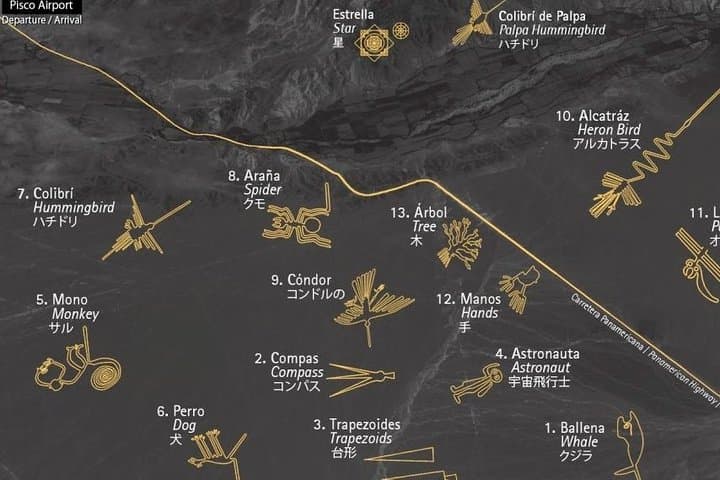
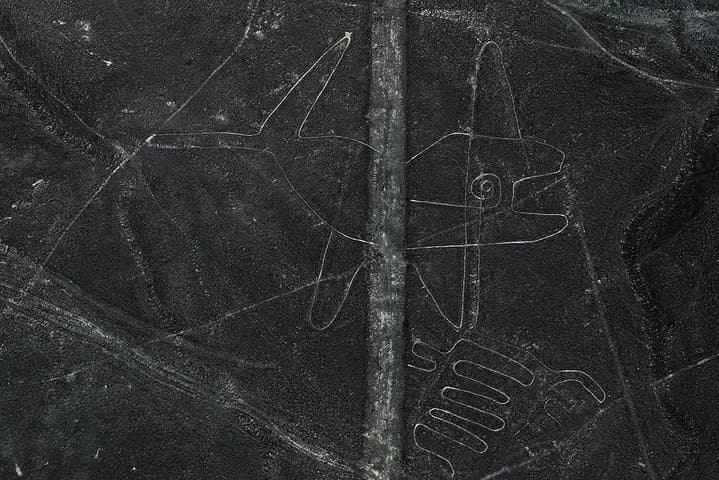
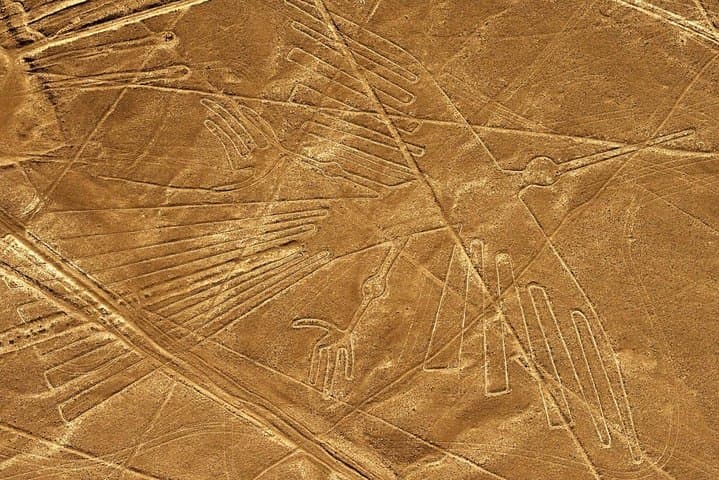
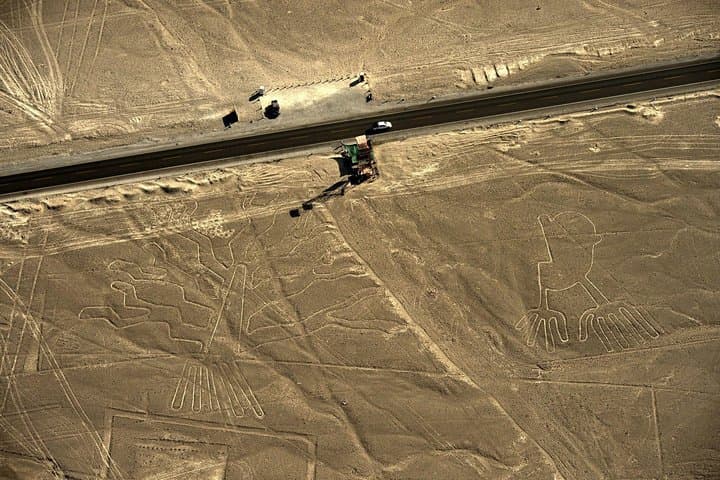
The plane lifts from Pisco and the desert unfurls below like a wound-back sheet of rust and pale sand — enormous figures, straight lines and geometric runs cutting through the pampa. From a Cessna Grand Caravan you’ll see the hummingbird pitch its wings across the plateau, the monkey curl its tail, and long runways of etched lines that keep their shape in the dry air.
The plane lifts from Pisco and the desert unfurls below like a wound-back sheet of rust and pale sand — enormous figures, straight lines and geometric runs cutting through the pampa. From a Cessna Grand Caravan you’ll see the hummingbird pitch its wings across the plateau, the monkey curl its tail, and long runways of etched lines that keep their shape in the dry air.
These geoglyphs were made by the Nasca culture between roughly A.D. 1 and 700 by removing the oxidized surface stones to expose lighter sands beneath; the lack of rain and wind has preserved them for centuries. Geologically the region is coastal desert: wind-polished gravel plains and terraces that meet the sea near Paracas, where seabirds and marine mammals congregate. Cultural threads run from pre-Columbian irrigation systems like the Cantalloc aqueducts to colonial-era pisco distilleries around Pisco — sites often included on the day’s route.
Practically, expect a full 10–12 hour day: a 3–3.5 hour drive from Lima to Pisco, a 1 hour 35 minute overflight of Nazca, a wildlife boat trip around the Ballestas Islands, and a return drive. Flights are weather-dependent; small aircraft can be bouncy. Bring a camera with a fast shutter, sunglasses, sun protection and motion-sickness remedies. Allow extra time for check-in at the aerodrome and carry passport ID for flights. Guides typically include transfers, fuel surcharges and park permits — but the desert is fragile: avoid any attempt to walk on the lines and follow reserve rules around the islands. This trip pairs dramatic, airborne perspective with coastal wildlife viewing — a compact, intense day that combines archaeology, geology and sea-borne nature watching.