THE ADVENTURE COLLECTIVE® · Independent discovery and booking for outdoor travel

Start before sunrise in Lima and move from sea-spray wildlife on the Ballestas Islands to the rolling sand ramps of Huacachina, finishing with a 30-minute overflight above the Nazca Lines. This two-day private loop pairs wildlife and desert thrills with an aerial perspective on ancient geoglyphs.
Start before sunrise in Lima and move from sea-spray wildlife on the Ballestas Islands to the rolling sand ramps of Huacachina, finishing with a 30-minute overflight above the Nazca Lines. This two-day private loop pairs wildlife and desert thrills with an aerial perspective on ancient geoglyphs.
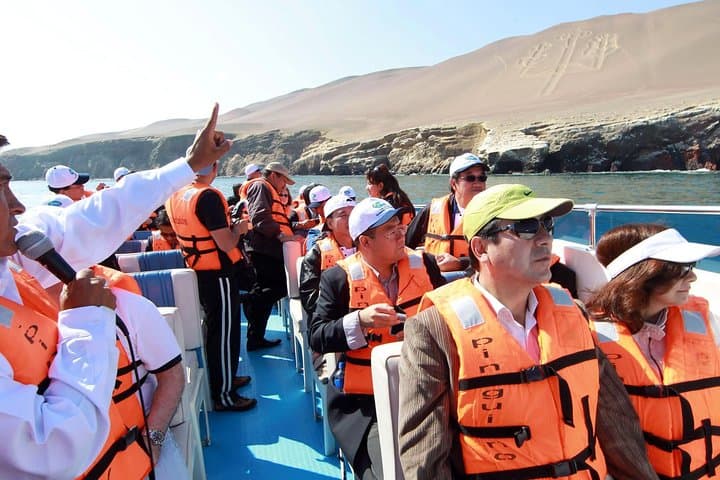
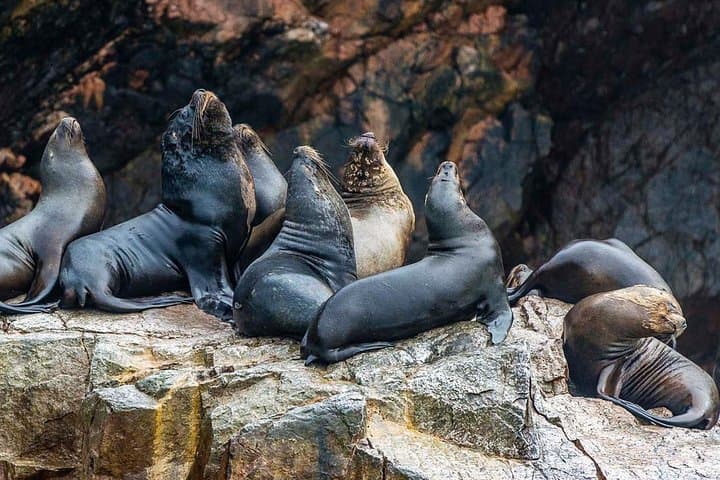
Daybreak on the Pan-American feels purposeful: the van pulls out of Lima while the coast still holds night’s cool. Within hours the sea opens up and the Ballestas Islands throw spray against the hull, sea lions barking like a chorus daring you to approach. Later, dunes rise like warm waves at Huacachina, their ridgelines daring every dune buggy driver to take the crest.
Verified experiences and guided adventures in the surrounding area.
Operated by PERUTRIPS · Lima, Lima
Daybreak on the Pan-American feels purposeful: the van pulls out of Lima while the coast still holds night’s cool. Within hours the sea opens up and the Ballestas Islands throw spray against the hull, sea lions barking like a chorus daring you to approach. Later, dunes rise like warm waves at Huacachina, their ridgelines daring every dune buggy driver to take the crest.
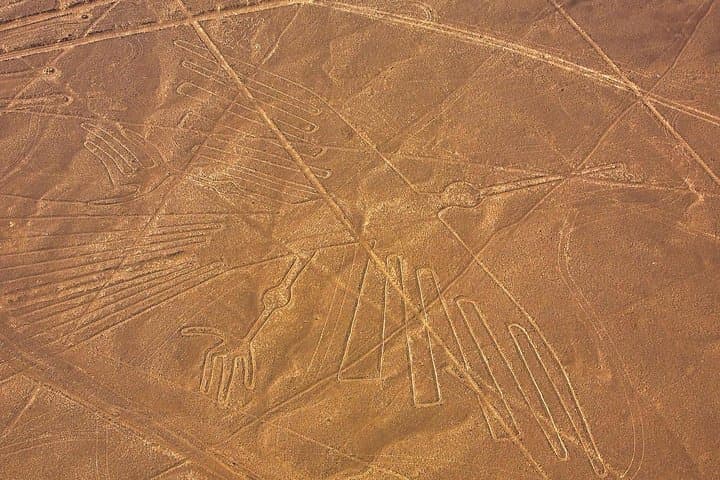
The route threads Peruvian coastal culture and ancient engineering. The Nazca geoglyphs — created by the Nazca culture between roughly 200 BCE and 600 CE — sit on a hard-packed desert floor of iron-rich stones and lighter subsurface sands; wind and extreme aridity preserved lines that stretch hundreds of meters. Nearby, Tacama’s vineyards and Ica’s pisco traditions speak to colonial-era agriculture adapted to an irrigated river valley. Ballestas’ rock formations and the Candelabrum geoglyph add a maritime chapter: gulls, pelicans and occasional Humboldt penguins endorse the coastline’s food web.
Practically: the overflight out of Ica lasts about 30 minutes and reaches roughly 1,500 feet, the best vantage to see a dozen major figures. Expect bumpy light-aircraft conditions; motion-sickness remedies and window seats improve the experience. Dune buggy and sandboarding in Huacachina require closed-toe shoes and sun protection; boat trips to Ballestas need windproof layers. Nights can be cool in desert air; carry a light jacket.
This private, multi-day loop is logistical — early pickups, inter-site transfers, and short flights — but it rewards with wildlife, geomorphology, and an aerial perspective on some of archaeology’s most enigmatic marks.
moderate.
2 days.
General good mobility recommended—short walks, boarding small boats, climbing dune crests, and transferring between sites; not strenuous but involves active periods.
The dedicated Nazca flight is about 30 minutes from the Ica airdrome, covering the most representative figures at approximately 1,500 feet.
Yes—expect sea lions, a variety of seabirds such as pelicans and gulls, and occasionally Humboldt penguins in season; sightings depend on time and sea conditions.
Sandboarding is offered at Huacachina; basic instruction is provided and no prior experience is needed, though a short walk and balance are required.
Yes—coastal fog, sea state, or poor flying conditions can prompt schedule adjustments or cancellations; operators typically offer refunds or rebooking per policy.
The Nazca Lines were created by the Nazca culture roughly 1,500–2,000 years ago; the desert’s stable surface preserved lines of animals, plants and geometric shapes only fully legible from the air.
The arid coastal desert is fragile—stay on designated paths, avoid touching geoglyph surfaces, and choose operators committed to minimizing erosion and managing waste.
PERUTRIPS operates guided outdoor trips and adventures with an emphasis on safety, stewardship, and memorable experiences.
Daybreak on the Pan-American feels purposeful: the van pulls out of Lima while the coast still holds night’s cool. Within hours the sea opens up and the Ballestas Islands throw spray against the hull, sea lions barking like a chorus daring you to approach. Later, dunes rise like warm waves at Huacachina, their ridgelines daring every dune buggy driver to take the crest.
Daybreak on the Pan-American feels purposeful: the van pulls out of Lima while the coast still holds night’s cool. Within hours the sea opens up and the Ballestas Islands throw spray against the hull, sea lions barking like a chorus daring you to approach. Later, dunes rise like warm waves at Huacachina, their ridgelines daring every dune buggy driver to take the crest.
The route threads Peruvian coastal culture and ancient engineering. The Nazca geoglyphs — created by the Nazca culture between roughly 200 BCE and 600 CE — sit on a hard-packed desert floor of iron-rich stones and lighter subsurface sands; wind and extreme aridity preserved lines that stretch hundreds of meters. Nearby, Tacama’s vineyards and Ica’s pisco traditions speak to colonial-era agriculture adapted to an irrigated river valley. Ballestas’ rock formations and the Candelabrum geoglyph add a maritime chapter: gulls, pelicans and occasional Humboldt penguins endorse the coastline’s food web.
Practically: the overflight out of Ica lasts about 30 minutes and reaches roughly 1,500 feet, the best vantage to see a dozen major figures. Expect bumpy light-aircraft conditions; motion-sickness remedies and window seats improve the experience. Dune buggy and sandboarding in Huacachina require closed-toe shoes and sun protection; boat trips to Ballestas need windproof layers. Nights can be cool in desert air; carry a light jacket.
This private, multi-day loop is logistical — early pickups, inter-site transfers, and short flights — but it rewards with wildlife, geomorphology, and an aerial perspective on some of archaeology’s most enigmatic marks.