THE ADVENTURE COLLECTIVE® · Independent discovery and booking for outdoor travel

See the Nasca Lines from the air on a stable Cessna flight that crosses 13 major geoglyphs and the pre-Hispanic Cantalloc aqueducts. This two-hour excursion pairs a safety briefing and transfers with guaranteed window seating for clear aerial viewing.
See the Nasca Lines from the air on a stable Cessna flight that crosses 13 major geoglyphs and the pre-Hispanic Cantalloc aqueducts. This two-hour excursion pairs a safety briefing and transfers with guaranteed window seating for clear aerial viewing.
You lift from a sun-baked runway and the desert below stretches out, flat and strange, like a map someone forgot to label. From the guaranteed window seat a row of colossal figures—Condor, Hummingbird, Monkey—resolve from the scrub: their clean edges carved into the pampa by an ancient hand. The plane banks gently and the Cantalloc aqueducts spiral into view, a geometric counterpoint to the geoglyphs, water-work that still breathes life into this arid plain.
Verified experiences and guided adventures in the surrounding area.
Operated by Kametsa Travel · Nasca, Ica
You lift from a sun-baked runway and the desert below stretches out, flat and strange, like a map someone forgot to label. From the guaranteed window seat a row of colossal figures—Condor, Hummingbird, Monkey—resolve from the scrub: their clean edges carved into the pampa by an ancient hand. The plane banks gently and the Cantalloc aqueducts spiral into view, a geometric counterpoint to the geoglyphs, water-work that still breathes life into this arid plain.
The Nasca geoglyphs date from roughly 200 BCE–600 CE, created by removing oxidized pebbles to expose lighter ground beneath; they remain one of archaeology’s great puzzles. The Cantalloc system is pre-Hispanic hydraulic engineering, designed to tap underground water through spiraled wells called puquios. Together they tell a practical, regional story—ritual landscape and engineered survival—set against the Ica desert’s geological sweep of wind-polished sand and gravel.
Practically: the experience is a ~2-hour outing that combines hotel pickup, a safety briefing, and a stable Cessna flight over 13 principal figures plus the aqueducts. Expect light bumps; flights can be canceled for weather and weight/passport details are confirmed at booking. Morning flights give the best light and calmer air; late afternoons can produce stronger thermals.
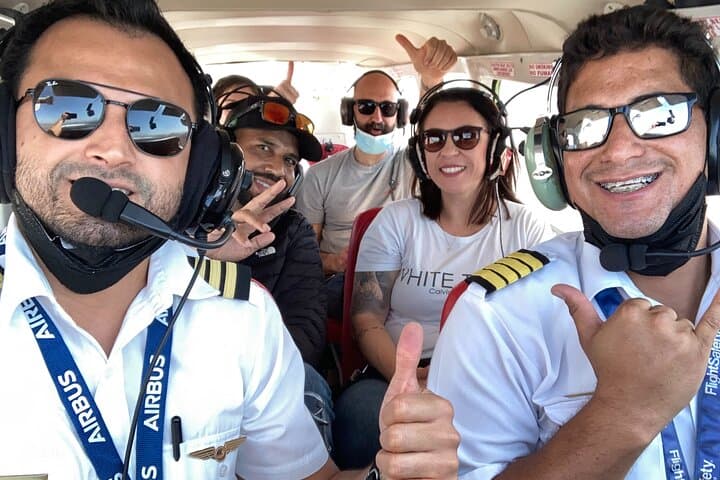
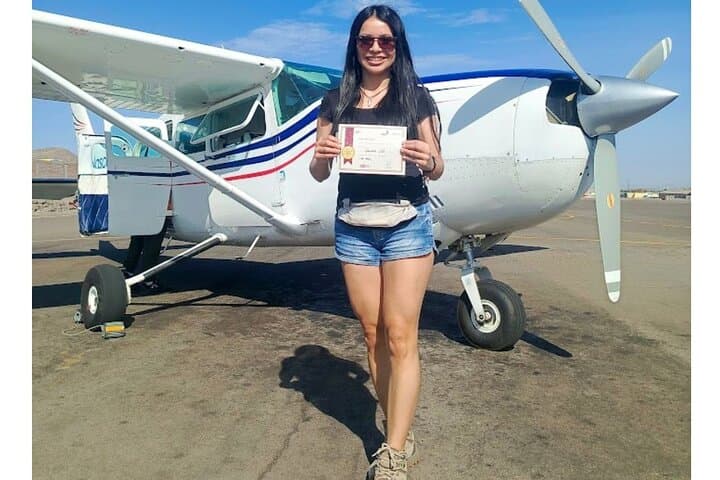
Bring sunscreen, a camera with a fast shutter, and a small daypack—wear layers for cooling at altitude. Listen closely to the pre-flight talk: pilots point out each figure and provide a route map and a flight certificate. Respect local rules—no landing on the lines—and support local guides and conservation efforts when on the ground in Nasca.
easy.
2 hours (allow 3–4 hours including transfers).
No special fitness required—able to step into a small aircraft and sit for the duration
The full excursion is about 2 hours including transfers and briefing; the actual overflight of the figures runs roughly 30–40 minutes depending on routing.
Yes—this service guarantees a single window seat per booking to maximize viewing and photography.
Children may fly but age and weight details are required at booking; not recommended for travelers with serious cardiovascular conditions—consult your physician first.
Flights are canceled for unsafe conditions and you’ll be offered a full refund if canceled at least 24 hours before departure or rebooking per the operator’s policy.
The Nasca culture (c. 200 BCE–600 CE) created the geoglyphs by clearing surface stones; Cantalloc’s puquios are pre-Hispanic wells engineered to access groundwater.
The Nasca Lines are UNESCO-protected and overflight operations are regulated; avoid driving on the pampa and support local conservation programs to reduce erosion and foot traffic.
Kametsa Travel operates guided outdoor trips and adventures with an emphasis on safety, stewardship, and memorable experiences.
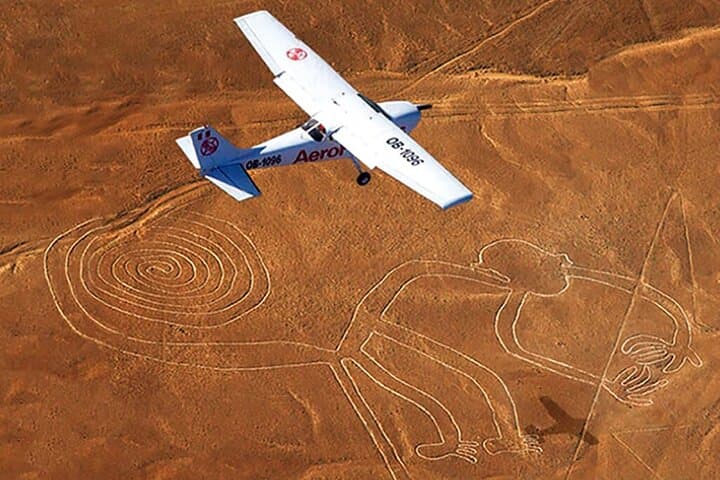
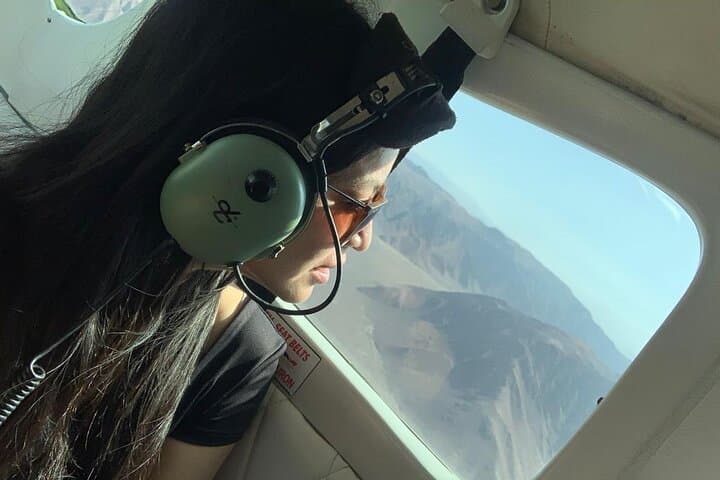
You lift from a sun-baked runway and the desert below stretches out, flat and strange, like a map someone forgot to label. From the guaranteed window seat a row of colossal figures—Condor, Hummingbird, Monkey—resolve from the scrub: their clean edges carved into the pampa by an ancient hand. The plane banks gently and the Cantalloc aqueducts spiral into view, a geometric counterpoint to the geoglyphs, water-work that still breathes life into this arid plain.
You lift from a sun-baked runway and the desert below stretches out, flat and strange, like a map someone forgot to label. From the guaranteed window seat a row of colossal figures—Condor, Hummingbird, Monkey—resolve from the scrub: their clean edges carved into the pampa by an ancient hand. The plane banks gently and the Cantalloc aqueducts spiral into view, a geometric counterpoint to the geoglyphs, water-work that still breathes life into this arid plain.
The Nasca geoglyphs date from roughly 200 BCE–600 CE, created by removing oxidized pebbles to expose lighter ground beneath; they remain one of archaeology’s great puzzles. The Cantalloc system is pre-Hispanic hydraulic engineering, designed to tap underground water through spiraled wells called puquios. Together they tell a practical, regional story—ritual landscape and engineered survival—set against the Ica desert’s geological sweep of wind-polished sand and gravel.
Practically: the experience is a ~2-hour outing that combines hotel pickup, a safety briefing, and a stable Cessna flight over 13 principal figures plus the aqueducts. Expect light bumps; flights can be canceled for weather and weight/passport details are confirmed at booking. Morning flights give the best light and calmer air; late afternoons can produce stronger thermals.
Bring sunscreen, a camera with a fast shutter, and a small daypack—wear layers for cooling at altitude. Listen closely to the pre-flight talk: pilots point out each figure and provide a route map and a flight certificate. Respect local rules—no landing on the lines—and support local guides and conservation efforts when on the ground in Nasca.