THE ADVENTURE COLLECTIVE® · Independent discovery and booking for outdoor travel

Hover above one of the world’s most enigmatic archaeological sites on a small-plane overflight from Nazca. This concise guide explains what you’ll see, the site’s history, and practical tips for a smooth flightseeing experience.
Hover above one of the world’s most enigmatic archaeological sites on a small-plane overflight from Nazca. This concise guide explains what you’ll see, the site’s history, and practical tips for a smooth flightseeing experience.
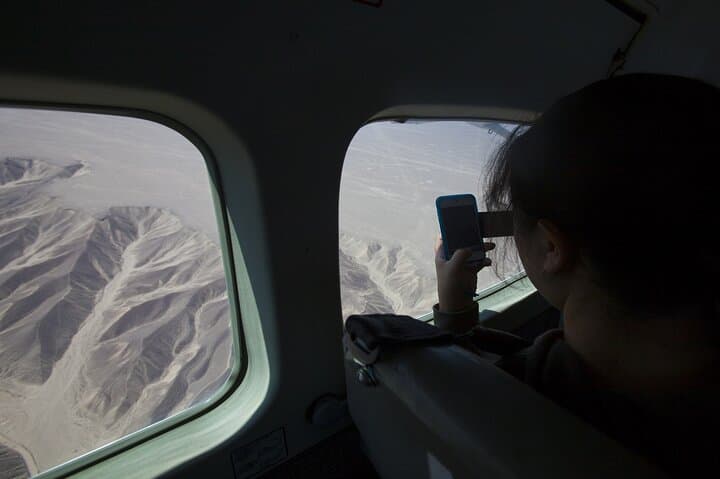
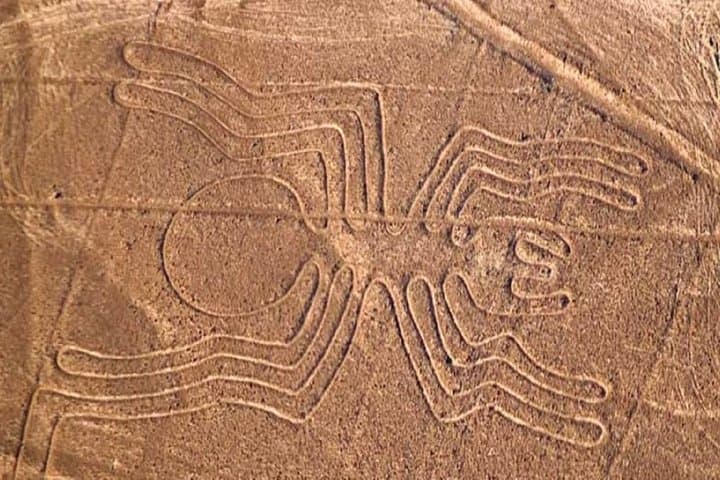
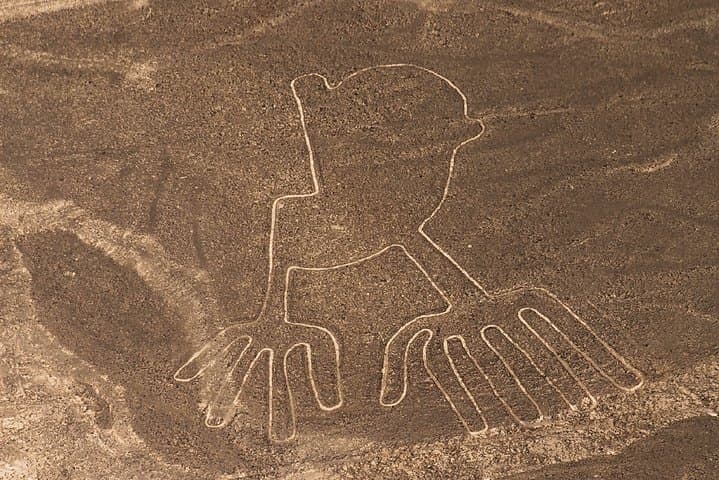
A small Cessna hums and the desert opens beneath you: a flat, ochre plain cut by tire tracks and ancient lines that the wind respects but will not erase. From the single window the geoglyphs appear like deliberate scratches on the earth — condor wings, hummingbird beaks, a long straight flight path that dares the sky itself.
Verified experiences and guided adventures in the surrounding area.
Operated by Tangol · Nazca, Ica
A small Cessna hums and the desert opens beneath you: a flat, ochre plain cut by tire tracks and ancient lines that the wind respects but will not erase. From the single window the geoglyphs appear like deliberate scratches on the earth — condor wings, hummingbird beaks, a long straight flight path that dares the sky itself.
The Nazca Lines were etched by the Nazca culture between roughly 500 BCE and 500 CE, carved into the arid crust where low rainfall preserved them. Geologically the pampas are wind-scoured alluvial deposits; the thin dark varnish on stones was removed to reveal lighter subsoil, creating high-contrast figures best read from above. Cultural stewards such as María Reiche cataloged many of the designs; the site is UNESCO-protected and monitored for damage.
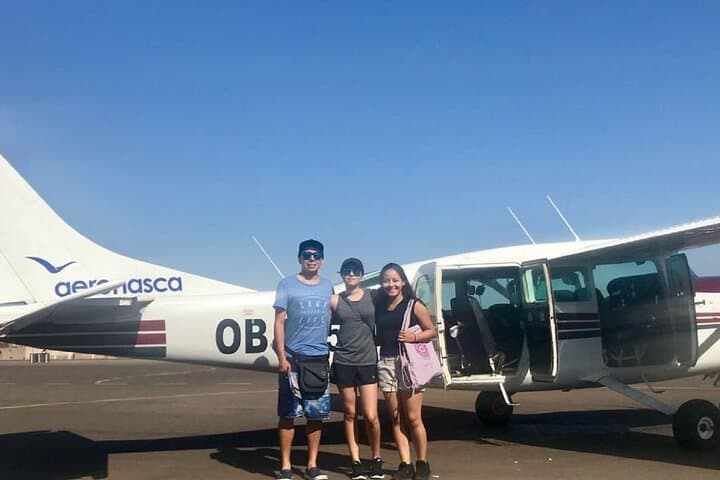
Practical guidance: flights typically run 30–60 minutes; shorter routes focus on the classic figures around Nazca, while hour flights extend toward the Palpa lines. Expect a 45–60 minute check-in and orientation on the ground; the planes seat six passengers and use short-runway airstrips. Bring passport for check-in, sunscreen, a hat, and motion-sickness medication if you’re prone to airsickness. Morning light is cleaner for photography, but pilots fly between mid-morning and mid-afternoon depending on weather.
Boarding is straightforward but be mindful of weight policies and the stair-up into small aircraft. The overflight is the most sustainable way to view the geoglyphs — keep boots off the pampas and support operators who follow UNESCO guidelines.
easy.
30–60 minutes (total visit 2–3 hours with transfers).
No special fitness required—able-bodied passengers who can climb a small set of aircraft stairs.
Flights are advertised at 30 or 60 minutes; 30-minute flights cover about 13 major figures around Nazca, while 60-minute flights extend to Palpa and show additional geoglyphs.
Yes—operators charge extra for passengers over certain weight thresholds and require weight declaration at booking; check the exact limits with the operator before travel.
Morning flights offer cleaner light and calmer air, reducing dust and turbulence; avoid late afternoons when heat can cause more turbulence.
Generally yes, but consult a physician for those with heart issues or severe motion sickness; small aircraft require stair access and have limited cabin space.
The geoglyphs were created by the Nazca culture (circa 500 BCE–500 CE); scholars like María Reiche mapped and advocated for their protection.
The lines depend on an intact desert crust—walking on the pampas damages them, so overflights and regulated observation points are the primary conservation measures.
Tangol operates guided outdoor trips and adventures with an emphasis on safety, stewardship, and memorable experiences.
A small Cessna hums and the desert opens beneath you: a flat, ochre plain cut by tire tracks and ancient lines that the wind respects but will not erase. From the single window the geoglyphs appear like deliberate scratches on the earth — condor wings, hummingbird beaks, a long straight flight path that dares the sky itself.
A small Cessna hums and the desert opens beneath you: a flat, ochre plain cut by tire tracks and ancient lines that the wind respects but will not erase. From the single window the geoglyphs appear like deliberate scratches on the earth — condor wings, hummingbird beaks, a long straight flight path that dares the sky itself.
The Nazca Lines were etched by the Nazca culture between roughly 500 BCE and 500 CE, carved into the arid crust where low rainfall preserved them. Geologically the pampas are wind-scoured alluvial deposits; the thin dark varnish on stones was removed to reveal lighter subsoil, creating high-contrast figures best read from above. Cultural stewards such as María Reiche cataloged many of the designs; the site is UNESCO-protected and monitored for damage.
Practical guidance: flights typically run 30–60 minutes; shorter routes focus on the classic figures around Nazca, while hour flights extend toward the Palpa lines. Expect a 45–60 minute check-in and orientation on the ground; the planes seat six passengers and use short-runway airstrips. Bring passport for check-in, sunscreen, a hat, and motion-sickness medication if you’re prone to airsickness. Morning light is cleaner for photography, but pilots fly between mid-morning and mid-afternoon depending on weather.
Boarding is straightforward but be mindful of weight policies and the stair-up into small aircraft. The overflight is the most sustainable way to view the geoglyphs — keep boots off the pampas and support operators who follow UNESCO guidelines.