THE ADVENTURE COLLECTIVE® · Independent discovery and booking for outdoor travel

Fly over the mysterious Nazca Lines and race the dunes at Huacachina in a single, full-day adventure. Experience ancient geoglyphs from a light aircraft and then feel the sand surge under a dune buggy at Peru’s iconic oasis.
Fly over the mysterious Nazca Lines and race the dunes at Huacachina in a single, full-day adventure. Experience ancient geoglyphs from a light aircraft and then feel the sand surge under a dune buggy at Peru’s iconic oasis.
The propeller thumps, light tilts across hard, pale earth and below the giant hummingbird, monkey and spider unfurl like secrets on a vast, sun-baked canvas. From the small plane window the lines resolve into intent — shallow removals of dark desert crust revealing a lighter subsoil — while the coastal wind pushes a ribbon of sand toward distant dunes.
Verified experiences and guided adventures in the surrounding area.
Operated by Lima Highlights Travel & Tours · Nazca, Ica Region
The propeller thumps, light tilts across hard, pale earth and below the giant hummingbird, monkey and spider unfurl like secrets on a vast, sun-baked canvas. From the small plane window the lines resolve into intent — shallow removals of dark desert crust revealing a lighter subsoil — while the coastal wind pushes a ribbon of sand toward distant dunes.
These geoglyphs were made by the pre-Inca Nazca culture between roughly 200 BCE and 600 CE and were declared a UNESCO World Heritage Site in 1994. Geologically the region is part of Peru’s hyperarid coastal desert where wind and occasional riverbeds shape expansive sand fields; Huacachina itself is a small natural lagoon ringed by high dunes near the city of Ica and has been a local water source and recreational spot for generations.
Expect a compact, sensory-packed day: a short overflight from Nazca airport in a light aircraft (typical flights ~30 minutes), followed by a transfer to Huacachina for a fast dune-buggy run and optional sandboarding.
Practical guidance: morning flights usually offer the steadiest air; bring motion-sickness medication if you’re prone to airsickness and secure cameras with straps. Wear sun-protective layers and closed-toe shoes for dune climbs and buggy rides. Operators vary in safety standards — confirm pilot licensing and plane maintenance before booking and plan logistics between Nazca and Ica carefully, as distances on the desert road can add hours. Hydration is essential; water and a compact daypack will keep the day moving smoothly.
moderate.
10–18 hours.
Moderate; able to board small aircraft, tolerate short flights, and climb dunes for short periods
Overflight segments typically last about 25–35 minutes, depending on the route; expect additional ground time for check-in and transfers.
Flights use small aircraft; they are generally safe but can be turbulent — people with heart or serious motion-sickness issues should consult a physician and the operator before flying.
Yes — many operators combine a short Nazca overflight with a transfer to Huacachina for dune-buggy runs and optional sandboarding in the same day.
Carry your passport or photo ID during transfers and for airport procedures; operators may request ID for check-in.
The Nazca geoglyphs were created by the Nazca culture between about 200 BCE and 600 CE; their purpose remains debated among archaeologists.
Overflight tourism and dune activity can stress fragile desert surfaces; use licensed operators, avoid walking on geoglyphs, and follow local guidance to minimize impact.
Lima Highlights Travel & Tours operates guided outdoor trips and adventures with an emphasis on safety, stewardship, and memorable experiences.
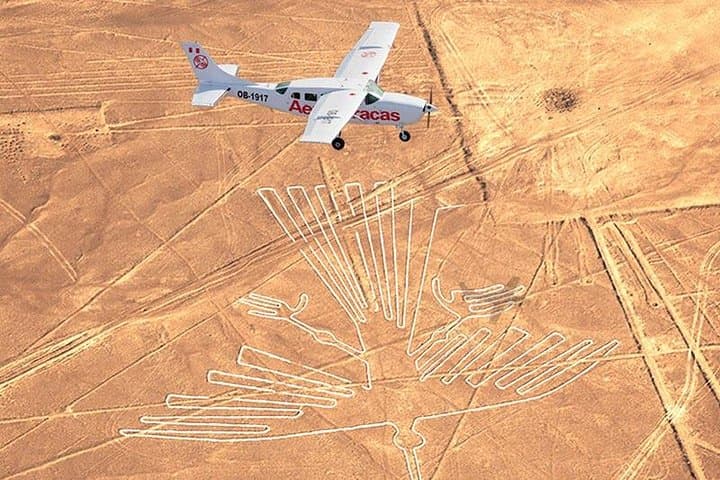
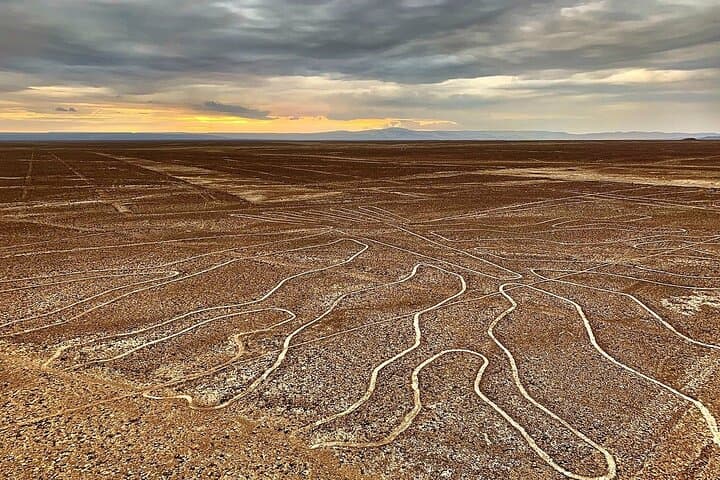
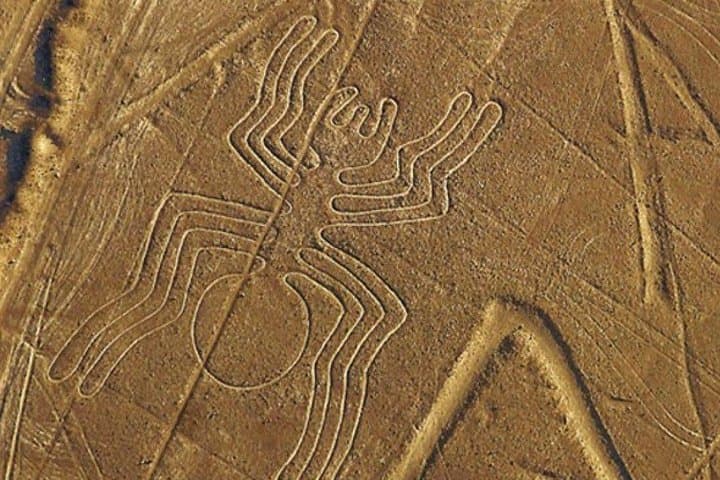
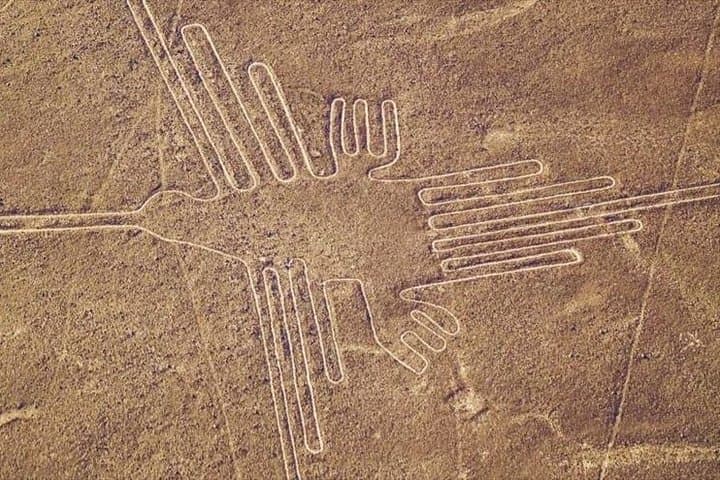
The propeller thumps, light tilts across hard, pale earth and below the giant hummingbird, monkey and spider unfurl like secrets on a vast, sun-baked canvas. From the small plane window the lines resolve into intent — shallow removals of dark desert crust revealing a lighter subsoil — while the coastal wind pushes a ribbon of sand toward distant dunes.
The propeller thumps, light tilts across hard, pale earth and below the giant hummingbird, monkey and spider unfurl like secrets on a vast, sun-baked canvas. From the small plane window the lines resolve into intent — shallow removals of dark desert crust revealing a lighter subsoil — while the coastal wind pushes a ribbon of sand toward distant dunes.
These geoglyphs were made by the pre-Inca Nazca culture between roughly 200 BCE and 600 CE and were declared a UNESCO World Heritage Site in 1994. Geologically the region is part of Peru’s hyperarid coastal desert where wind and occasional riverbeds shape expansive sand fields; Huacachina itself is a small natural lagoon ringed by high dunes near the city of Ica and has been a local water source and recreational spot for generations.
Expect a compact, sensory-packed day: a short overflight from Nazca airport in a light aircraft (typical flights ~30 minutes), followed by a transfer to Huacachina for a fast dune-buggy run and optional sandboarding.
Practical guidance: morning flights usually offer the steadiest air; bring motion-sickness medication if you’re prone to airsickness and secure cameras with straps. Wear sun-protective layers and closed-toe shoes for dune climbs and buggy rides. Operators vary in safety standards — confirm pilot licensing and plane maintenance before booking and plan logistics between Nazca and Ica carefully, as distances on the desert road can add hours. Hydration is essential; water and a compact daypack will keep the day moving smoothly.