THE ADVENTURE COLLECTIVE® · Independent discovery and booking for outdoor travel

Take to the air from Ica or Huacachina for a full-day overflight of the Nazca Lines and watch colossal geoglyphs resolve beneath you. This guided day trip combines an informative aerodrome briefing with a 35-minute flight and local transfers.
Take to the air from Ica or Huacachina for a full-day overflight of the Nazca Lines and watch colossal geoglyphs resolve beneath you. This guided day trip combines an informative aerodrome briefing with a 35-minute flight and local transfers.
A morning transfer from Ica or the sand-filled oasis of Huacachina eases out across the coastal desert, and the plane seems to cut a thin line above an already-lined world. From the small aircraft each geoglyph unspools below—spiders, hummingbirds and a vast condor—shifting from vague marks to deliberate figures as the plane banks gently over the Nazca pampas.
Verified experiences and guided adventures in the surrounding area.
Operated by IZI PERU · Nazca, Ica
A morning transfer from Ica or the sand-filled oasis of Huacachina eases out across the coastal desert, and the plane seems to cut a thin line above an already-lined world. From the small aircraft each geoglyph unspools below—spiders, hummingbirds and a vast condor—shifting from vague marks to deliberate figures as the plane banks gently over the Nazca pampas.
The lines were etched by the Nazca culture between about 400 and 650 AD; their clean grooves survive here because the hyper-arid climate and stable ground keep wind and rain from erasing them. The desert itself is geological argument: hardened deposits of clay, sand and gravel, oxidized surfaces scraped away to reveal pale subsoil. Maria Reiche’s mid-20th-century work brought international attention, and UNESCO protection followed.
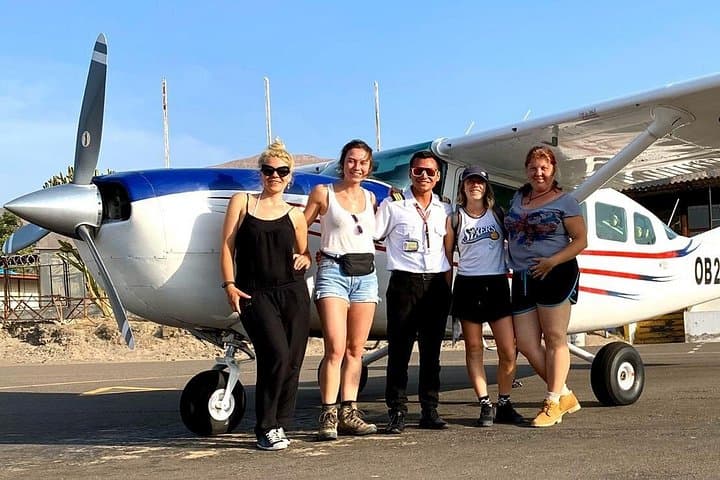
Expect a blend of archaeology and practical tourism: a short briefing and video at María Reiche Aerodrome, a 35-minute overflight in a small, single-prop plane and land transfers that can make the day a full excursion. Locals often combine the flight with visits to Chauchilla Cemetery or the Cantalloc aqueducts to round out cultural context.
Practical guidance: arrive with photo gear and a basic anti-nausea plan—small aircraft and tight turns are part of the trip. Morning flights usually offer steadier air; weight limits apply and additional-seat rules may be enforced. Bring sun protection, your passport for registration, and allow 8–10 hours for pick-up, the drive and the flight itself. The experience is part aerial spectacle, part study in how an ancient people left their mark on an unyielding landscape.
easy.
8–10 hours.
Minimal fitness required for boarding and short walks; passengers should tolerate small aircraft conditions and basic travel transfers.
The aerial circuit lasts about 35 minutes, during which pilots complete several passes to show up to 18 major figures and nearby geometric lines.
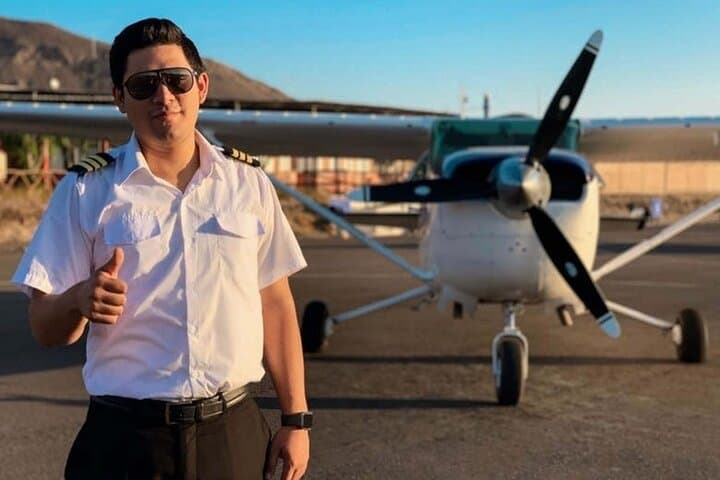
Flights are operated by experienced pilots in small aircraft and are generally safe, but consider motion sensitivity and consult your doctor for pre-existing conditions.
Bring a passport for registration at María Reiche Aerodrome and provide passenger details at booking; operators check ID before boarding.
Operators monitor coastal visibility; flights may be delayed or rescheduled locally, but note some tour operators have all-sales-final cancellation policies—confirm terms before booking.
The Nazca Lines were created by the Nazca culture roughly between 400–650 AD and are believed to have ritual, astronomical or water-related significance.
The geoglyphs are extremely fragile; visitors fly over rather than land to preserve the markings, and local regulations and UNESCO protections limit ground disturbance.
IZI PERU operates guided outdoor trips and adventures with an emphasis on safety, stewardship, and memorable experiences.
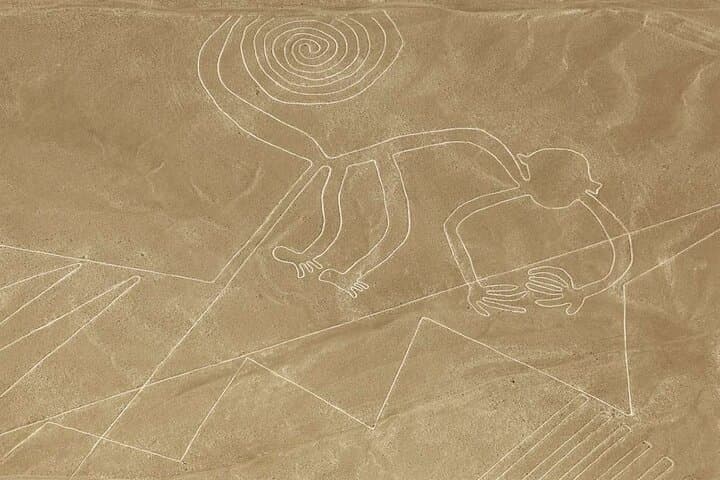
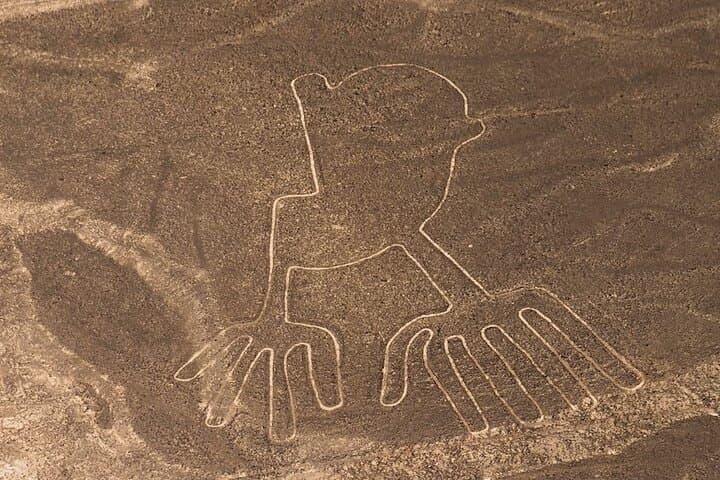
A morning transfer from Ica or the sand-filled oasis of Huacachina eases out across the coastal desert, and the plane seems to cut a thin line above an already-lined world. From the small aircraft each geoglyph unspools below—spiders, hummingbirds and a vast condor—shifting from vague marks to deliberate figures as the plane banks gently over the Nazca pampas.
A morning transfer from Ica or the sand-filled oasis of Huacachina eases out across the coastal desert, and the plane seems to cut a thin line above an already-lined world. From the small aircraft each geoglyph unspools below—spiders, hummingbirds and a vast condor—shifting from vague marks to deliberate figures as the plane banks gently over the Nazca pampas.
The lines were etched by the Nazca culture between about 400 and 650 AD; their clean grooves survive here because the hyper-arid climate and stable ground keep wind and rain from erasing them. The desert itself is geological argument: hardened deposits of clay, sand and gravel, oxidized surfaces scraped away to reveal pale subsoil. Maria Reiche’s mid-20th-century work brought international attention, and UNESCO protection followed.
Expect a blend of archaeology and practical tourism: a short briefing and video at María Reiche Aerodrome, a 35-minute overflight in a small, single-prop plane and land transfers that can make the day a full excursion. Locals often combine the flight with visits to Chauchilla Cemetery or the Cantalloc aqueducts to round out cultural context.
Practical guidance: arrive with photo gear and a basic anti-nausea plan—small aircraft and tight turns are part of the trip. Morning flights usually offer steadier air; weight limits apply and additional-seat rules may be enforced. Bring sun protection, your passport for registration, and allow 8–10 hours for pick-up, the drive and the flight itself. The experience is part aerial spectacle, part study in how an ancient people left their mark on an unyielding landscape.