THE ADVENTURE COLLECTIVE® · Independent discovery and booking for outdoor travel

Float over Peru’s Nazca pampas and watch giant geoglyphs resolve beneath a small aircraft. This day trip from Ica combines a scenic transfer, a 30–40 minute overflight, and close-up views of figures like the hummingbird and spider.
Float over Peru’s Nazca pampas and watch giant geoglyphs resolve beneath a small aircraft. This day trip from Ica combines a scenic transfer, a 30–40 minute overflight, and close-up views of figures like the hummingbird and spider.
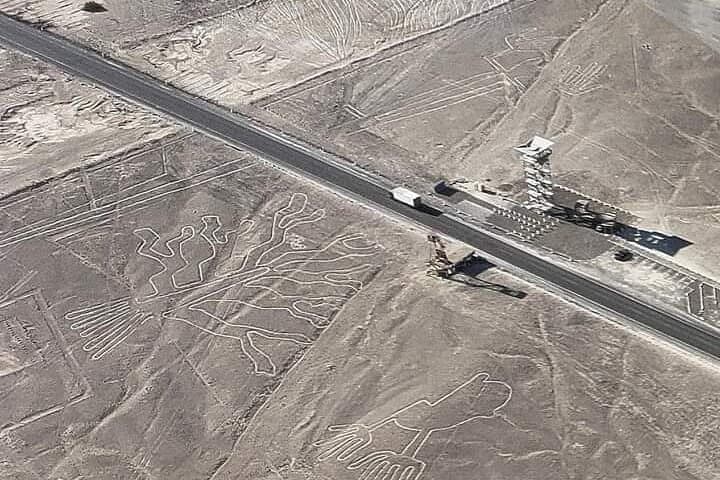
The plane lifts from a sun‑baked strip and the desert opens beneath you—an expanse of ochre and stone where straight lines and giant figures stretch like messages left by another century. From the small aircraft the designs resolve slowly: a hummingbird in mid‑beat, a spider frozen in stride, a towering astronaut that looks back at you with enigmatic calm.
Verified experiences and guided adventures in the surrounding area.
Operated by Visitemos Perú · Nazca, Ica Region
The plane lifts from a sun‑baked strip and the desert opens beneath you—an expanse of ochre and stone where straight lines and giant figures stretch like messages left by another century. From the small aircraft the designs resolve slowly: a hummingbird in mid‑beat, a spider frozen in stride, a towering astronaut that looks back at you with enigmatic calm.
The Nazca geoglyphs were created by the Nazca culture between roughly 100 BCE and 600 CE, etched by removing darker surface stones to expose lighter ground. Geologically the pampas are stabilized by minimal rainfall and wind‑polished soils that preserved these large‑scale drawings. The area around Nazca and Ica has been a crossroads of pre‑Columbian cultures and modern archaeologists—Maria Reiche’s early 20th‑century surveys helped bring the site international attention, and UNESCO listed the lines as World Heritage in 1994.
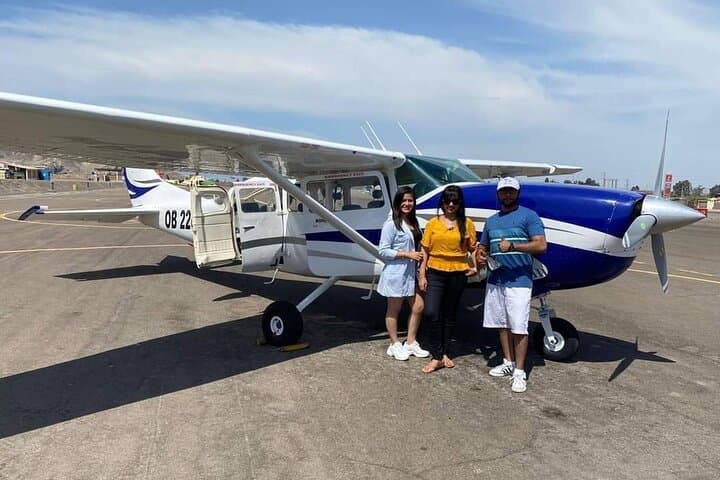
On this full‑day outing expect a 3‑hour transfer from Ica to the Nazca aerodrome, a briefing, and then a roughly 30–40 minute overflight. Flights typically run in small prop planes for 6–12 passengers; visibility is best in the morning when winds are lighter. The desert’s quiet feels deliberate—the plateau holds the drawings like a patient guardian.
Practical tips: bring sun protection, motion‑sickness remedies, and a light windbreaker for the runway. Cameras are allowed but secure straps are essential in the open cabin. If weather grounds flights, operators may cancel—confirm cancellation and refund policies when you book. The experience is short in the air but long in memory: an aerial encounter with human scale and ancient intent.
easy.
6–7 hours.
Minimal fitness required; participants should be able to tolerate short walks and sit through a small aircraft flight.
The overflight portion is about 30–40 minutes, typically scheduled within a half‑day tour that includes transfers to and from Ica or Nazca.
Operators will cancel flights in unsafe weather conditions; policies vary—confirm cancellation, refund, or rebooking options when you reserve.
This tour is not recommended for pregnant travelers or those with significant spinal or cardiovascular issues—check medical advisories before booking.
Yes; passengers may photograph the geoglyphs from the aircraft—use a secure strap and be prepared for small windows and occasional turbulence.
The Nazca geoglyphs were made by the Nazca culture between roughly 100 BCE and 600 CE and were later documented by 20th‑century researchers like Maria Reiche.
The lines are fragile; overflights limit ground impact, but regulations and visitor restraint are essential to prevent damage from foot traffic and development.
Visitemos Perú operates guided outdoor trips and adventures with an emphasis on safety, stewardship, and memorable experiences.


The plane lifts from a sun‑baked strip and the desert opens beneath you—an expanse of ochre and stone where straight lines and giant figures stretch like messages left by another century. From the small aircraft the designs resolve slowly: a hummingbird in mid‑beat, a spider frozen in stride, a towering astronaut that looks back at you with enigmatic calm.
The plane lifts from a sun‑baked strip and the desert opens beneath you—an expanse of ochre and stone where straight lines and giant figures stretch like messages left by another century. From the small aircraft the designs resolve slowly: a hummingbird in mid‑beat, a spider frozen in stride, a towering astronaut that looks back at you with enigmatic calm.
The Nazca geoglyphs were created by the Nazca culture between roughly 100 BCE and 600 CE, etched by removing darker surface stones to expose lighter ground. Geologically the pampas are stabilized by minimal rainfall and wind‑polished soils that preserved these large‑scale drawings. The area around Nazca and Ica has been a crossroads of pre‑Columbian cultures and modern archaeologists—Maria Reiche’s early 20th‑century surveys helped bring the site international attention, and UNESCO listed the lines as World Heritage in 1994.
On this full‑day outing expect a 3‑hour transfer from Ica to the Nazca aerodrome, a briefing, and then a roughly 30–40 minute overflight. Flights typically run in small prop planes for 6–12 passengers; visibility is best in the morning when winds are lighter. The desert’s quiet feels deliberate—the plateau holds the drawings like a patient guardian.
Practical tips: bring sun protection, motion‑sickness remedies, and a light windbreaker for the runway. Cameras are allowed but secure straps are essential in the open cabin. If weather grounds flights, operators may cancel—confirm cancellation and refund policies when you book. The experience is short in the air but long in memory: an aerial encounter with human scale and ancient intent.