THE ADVENTURE COLLECTIVE® · Independent discovery and booking for outdoor travel

Leave Lima before dawn for a full-day combination: a small-plane overflight of the Nazca Lines followed by lunch and sandboarding amid the Huacachina dunes near Ica. This tightly paced trip pairs archaeology with high-adrenaline desert sport.
Leave Lima before dawn for a full-day combination: a small-plane overflight of the Nazca Lines followed by lunch and sandboarding amid the Huacachina dunes near Ica. This tightly paced trip pairs archaeology with high-adrenaline desert sport.
The day begins before dawn as a van eases out of Lima and the highway slips into the coastal plain, headlights cutting a ribbon through scrub and the faint silhouette of distant dunes. By midmorning the plane at María Reiche airfield rises and the pampa below opens like a map of deliberate marks—monkeys, spiders, straight lines that refuse to reveal their full logic from the ground.
Verified experiences and guided adventures in the surrounding area.
Operated by Peru Travels Tour · Nazca, Ica
The day begins before dawn as a van eases out of Lima and the highway slips into the coastal plain, headlights cutting a ribbon through scrub and the faint silhouette of distant dunes. By midmorning the plane at María Reiche airfield rises and the pampa below opens like a map of deliberate marks—monkeys, spiders, straight lines that refuse to reveal their full logic from the ground.
The Nazca geoglyphs date from 500 BCE–500 CE and are arranged on wind-polished desert pavement that preserves shallow grooves. The region’s dry climate and mineral-rich soils kept these massive figures visible for centuries; their form and scale reflect ritual and astronomical theories debated by archaeologists. After the overflight the route turns toward Ica and Huacachina, where an emerald lagoon sits in a bowl of sculpted sand and the dunes have been shaped into playgrounds for buggies and sandboards.
Expect long stretches on paved road, a small-plane overflight lasting ~35 minutes, and one-hour dune runs—this is a full 16-hour day best suited to travelers with moderate fitness. Practicalities: bring sun protection and layers for cooling desert winds, photocopies of travel documents for airport checks, and cash for on-the-spot snacks or tips. Local guides run short sandboarding lessons and dune circuits; drivers handle logistics between sites but terrain on the dunes is loose and fast—stay seated in buggies when advised.
Timing matters: morning departures avoid afternoon heat and offer calmer winds for flights. Combine curiosity about pre-Columbian engineering with the adrenaline of dune runs for a single, tightly paced day that contrasts ancient lines with living desert sport.
moderate.
16 hours.
Moderately fit: comfortable sitting for long transfers, able to climb dunes and balance on a sandboard for short runs
The small-plane overflight averages about 30–40 minutes depending on route and weather conditions.
Yes—passports are required at the airfield counter for check-in and flight clearances.
Yes; operators provide short instructions and beginner-friendly runs, though participants should be able to climb sand slopes and follow safety briefings.
Operators typically cancel flights in poor weather and will refund or reschedule; the tour notes a cancellation-if-bad-weather policy.
The Nazca Lines were created by removing darker surface stones to reveal lighter subsoils; scholars link them to ritual pathways and water-related ceremonies from pre-Columbian societies.
The region’s aridity preserves the lines but increased tourism and vehicle access require managed flyover corridors and restricted ground access to minimize wear and erosion.
Peru Travels Tour operates guided outdoor trips and adventures with an emphasis on safety, stewardship, and memorable experiences.
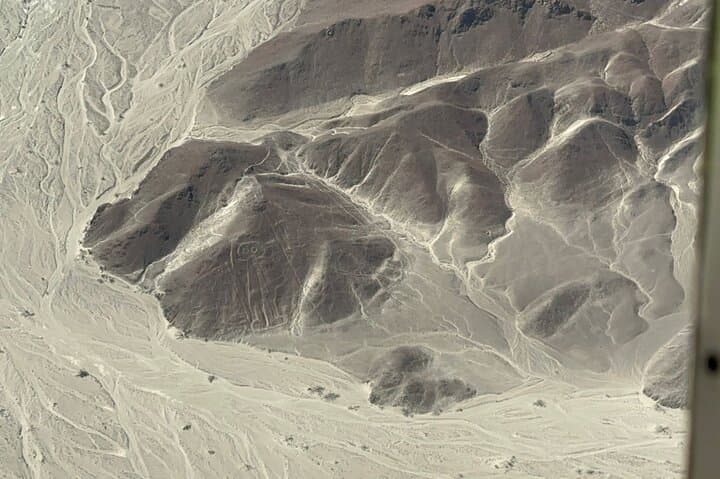
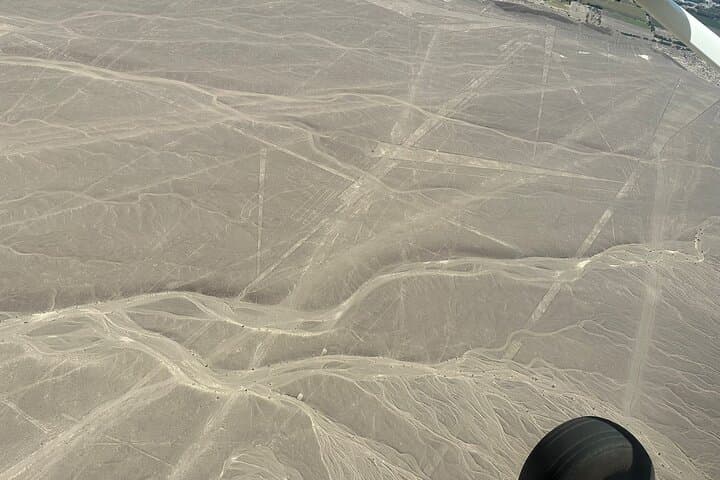
The day begins before dawn as a van eases out of Lima and the highway slips into the coastal plain, headlights cutting a ribbon through scrub and the faint silhouette of distant dunes. By midmorning the plane at María Reiche airfield rises and the pampa below opens like a map of deliberate marks—monkeys, spiders, straight lines that refuse to reveal their full logic from the ground.
The day begins before dawn as a van eases out of Lima and the highway slips into the coastal plain, headlights cutting a ribbon through scrub and the faint silhouette of distant dunes. By midmorning the plane at María Reiche airfield rises and the pampa below opens like a map of deliberate marks—monkeys, spiders, straight lines that refuse to reveal their full logic from the ground.
The Nazca geoglyphs date from 500 BCE–500 CE and are arranged on wind-polished desert pavement that preserves shallow grooves. The region’s dry climate and mineral-rich soils kept these massive figures visible for centuries; their form and scale reflect ritual and astronomical theories debated by archaeologists. After the overflight the route turns toward Ica and Huacachina, where an emerald lagoon sits in a bowl of sculpted sand and the dunes have been shaped into playgrounds for buggies and sandboards.
Expect long stretches on paved road, a small-plane overflight lasting ~35 minutes, and one-hour dune runs—this is a full 16-hour day best suited to travelers with moderate fitness. Practicalities: bring sun protection and layers for cooling desert winds, photocopies of travel documents for airport checks, and cash for on-the-spot snacks or tips. Local guides run short sandboarding lessons and dune circuits; drivers handle logistics between sites but terrain on the dunes is loose and fast—stay seated in buggies when advised.
Timing matters: morning departures avoid afternoon heat and offer calmer winds for flights. Combine curiosity about pre-Columbian engineering with the adrenaline of dune runs for a single, tightly paced day that contrasts ancient lines with living desert sport.