THE ADVENTURE COLLECTIVE® · Independent discovery and booking for outdoor travel

Fly over monumental geoglyphs and then trade aerial mystery for desert speed at Huacachina. This full-day trip from Lima pairs a Nazca Lines overflight with dune-buggy action and a palm-lined oasis visit.
Fly over monumental geoglyphs and then trade aerial mystery for desert speed at Huacachina. This full-day trip from Lima pairs a Nazca Lines overflight with dune-buggy action and a palm-lined oasis visit.
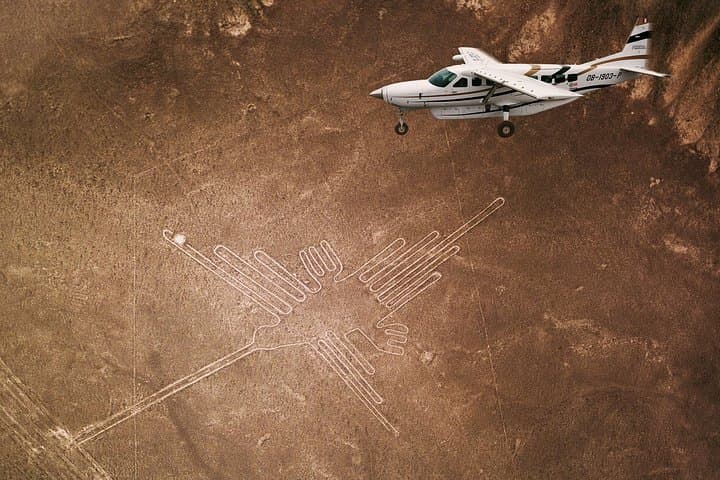
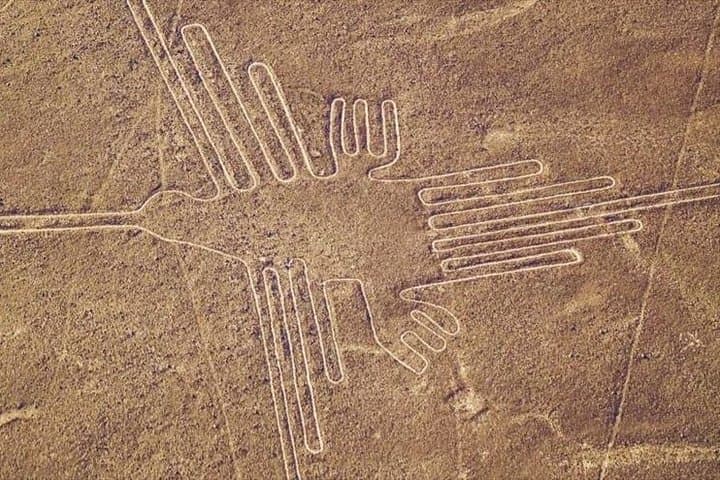
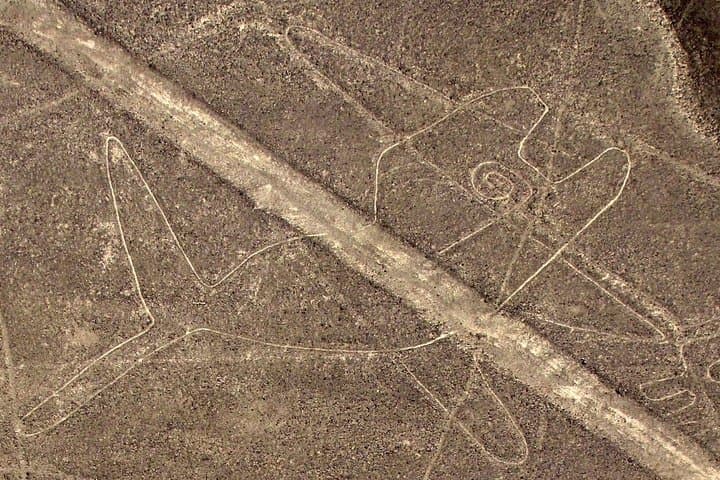
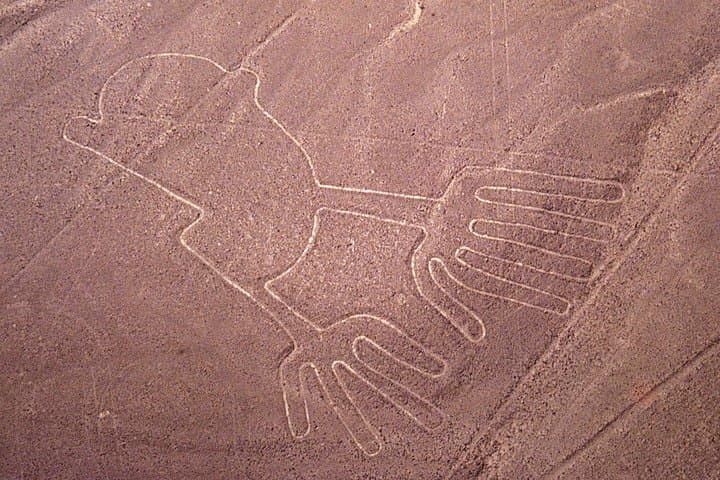
You feel the plane tilt and the desert opens beneath you—bleached soil cut by bold white lines that form hummingbirds, spiders and geometric bands. From the cockpit’s small window the figures resolve like a coded map across a flat, wind-swept plain; below, the Huacachina oasis waits, a bright pocket of palms rimmed by rolling sand.
Verified experiences and guided adventures in the surrounding area.
Operated by Lima Highlights Travel & Tours · Nazca, Ica
You feel the plane tilt and the desert opens beneath you—bleached soil cut by bold white lines that form hummingbirds, spiders and geometric bands. From the cockpit’s small window the figures resolve like a coded map across a flat, wind-swept plain; below, the Huacachina oasis waits, a bright pocket of palms rimmed by rolling sand.
The Nazca geoglyphs were drawn between roughly 200–600 AD by the pre-Inca Nazca culture. Their creators removed the dark surface layer to expose lighter substrate, producing designs best read from the air. The coastal desert’s extreme aridity and stable surface preserved these works for centuries, while nearby Huacachina grew as a natural spring and later a tourist hub with sand dunes shaped by strong Pacific winds.
Expect a full, long day: road transfer from Lima, a short overflight (bumpy, often with established flight patterns), and time in Huacachina for a dune-buggy run and scenic lookout. The flight offers the only comprehensive view of the largest figures; the buggy ride delivers fast, sandy terrain and sudden ridgeline views of the oasis.
Practical tips: bring motion-sickness remedies and a camera with a steady strap; flights have weight and seating limits. Water, sun protection, and closed-toe shoes make dune play comfortable. Allow for early pickup and late return—this itinerary is logistically heavy but rewards with two contrasting desert experiences: ancient geoglyph mystery and high-adrenaline sand driving.
moderate.
14–17 hours.
Be prepared for long vehicle transfers, short small-plane flights, and a bumpy dune-ride—good mobility and basic stamina recommended
Expect an early departure and a full day; road transfers are roughly 6–7 hours each way by vehicle when originating in Lima, depending on stops and traffic.
Airlines set age and health restrictions—pregnant travelers and very young children should check specific carrier policies and consult a physician before booking.
Flights follow a pattern to pass the most representative figures (hummingbird, monkey, spider and geometric panels), though visibility can vary with light and aircraft position.
No—access to the flat geoglyph fields is restricted to protect them; viewing is by plane or at designated observation towers and platforms.
The Nazca Lines were created by the Nazca culture between about 200 and 600 AD; their purpose remains debated—ritual pathways, astronomical markers or offerings linked to water ceremonies are leading theories.
The geoglyphs are fragile and affected by human activity and weather; visitors should avoid ground contact and support tour operators that follow UNESCO and local protection guidelines.
Lima Highlights Travel & Tours operates guided outdoor trips and adventures with an emphasis on safety, stewardship, and memorable experiences.
You feel the plane tilt and the desert opens beneath you—bleached soil cut by bold white lines that form hummingbirds, spiders and geometric bands. From the cockpit’s small window the figures resolve like a coded map across a flat, wind-swept plain; below, the Huacachina oasis waits, a bright pocket of palms rimmed by rolling sand.
You feel the plane tilt and the desert opens beneath you—bleached soil cut by bold white lines that form hummingbirds, spiders and geometric bands. From the cockpit’s small window the figures resolve like a coded map across a flat, wind-swept plain; below, the Huacachina oasis waits, a bright pocket of palms rimmed by rolling sand.
The Nazca geoglyphs were drawn between roughly 200–600 AD by the pre-Inca Nazca culture. Their creators removed the dark surface layer to expose lighter substrate, producing designs best read from the air. The coastal desert’s extreme aridity and stable surface preserved these works for centuries, while nearby Huacachina grew as a natural spring and later a tourist hub with sand dunes shaped by strong Pacific winds.
Expect a full, long day: road transfer from Lima, a short overflight (bumpy, often with established flight patterns), and time in Huacachina for a dune-buggy run and scenic lookout. The flight offers the only comprehensive view of the largest figures; the buggy ride delivers fast, sandy terrain and sudden ridgeline views of the oasis.
Practical tips: bring motion-sickness remedies and a camera with a steady strap; flights have weight and seating limits. Water, sun protection, and closed-toe shoes make dune play comfortable. Allow for early pickup and late return—this itinerary is logistically heavy but rewards with two contrasting desert experiences: ancient geoglyph mystery and high-adrenaline sand driving.