THE ADVENTURE COLLECTIVE® · Independent discovery and booking for outdoor travel

Fly over the Nazca Lines on a full‑day tour from Lima that pairs overnight bus transfer with a 35‑minute small‑plane overflight. See giant animals and geometric figures only visible from the air, and learn the cultural and geological context.
Fly over the Nazca Lines on a full‑day tour from Lima that pairs overnight bus transfer with a 35‑minute small‑plane overflight. See giant animals and geometric figures only visible from the air, and learn the cultural and geological context.
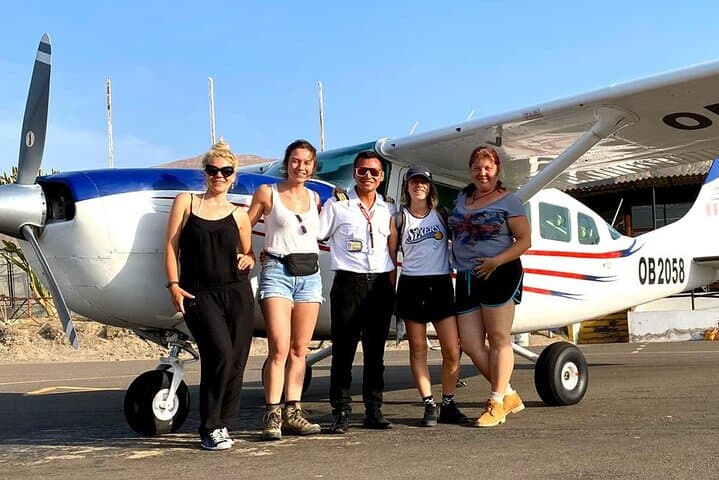
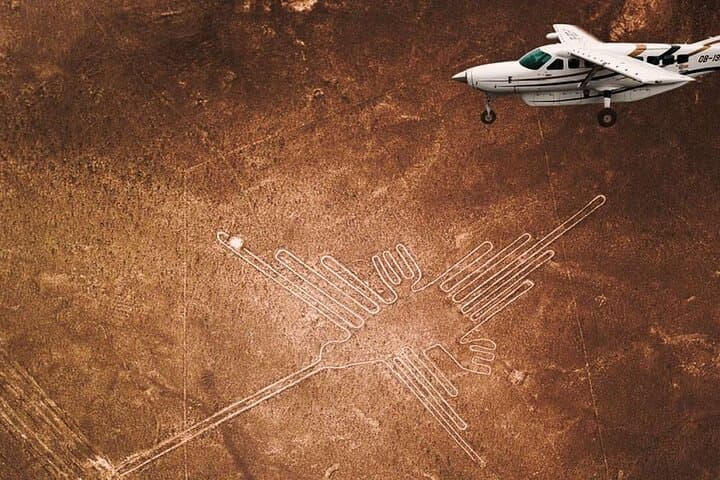
Night bus hums south as city lights thin and the Pacific fog thins into a high, desert sky. By dawn you’re in Nazca, a low scrub town that sits above one of archaeology’s most audacious stage sets: the Nazca Lines. From the small airport ramp the planes feel intimate — single-prop aircraft that tilt and bank to reveal enormous figures cut into the desert floor.
Verified experiences and guided adventures in the surrounding area.
Operated by IZI PERU · Nazca, Ica
Night bus hums south as city lights thin and the Pacific fog thins into a high, desert sky. By dawn you’re in Nazca, a low scrub town that sits above one of archaeology’s most audacious stage sets: the Nazca Lines. From the small airport ramp the planes feel intimate — single-prop aircraft that tilt and bank to reveal enormous figures cut into the desert floor.
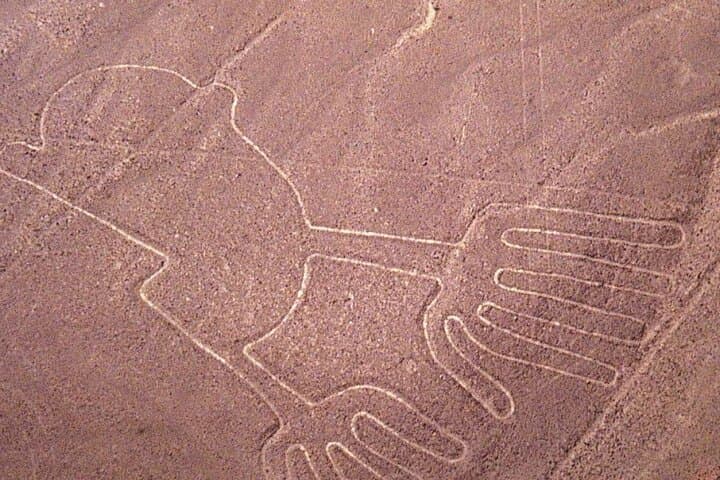
The lines date to the Nazca culture (roughly 200 BCE–600 CE). The figures — hummingbird, condor, spider, geometric trapezoids — are not carved but scraped, exposing lighter subsoil. Geologically, the arid, wind-protected plateau and a hard, dark crust have preserved these glyphs for millennia; cultural interpretations run from ritual pathways to astronomical markers.
On the flight you’ll see scale in seconds: a spider the size of a football pitch, a condor whose wingspan reads like a classroom map. Ground time in Nazca usually includes a visit to local sites or a quick meal; many tours combine an airport overflight with bus transfer from Lima (overnight outbound).
Practical notes: book morning windows when thermals are gentler, bring motion-sickness prevention, and expect a small-plane experience — brief, bumpy and exhilarating. Security and preservation matter: stay on marked paths on the ground and respect weight limits on aircraft. If weather grounds flights, refunds or rescheduling are common. For visitors wanting the most return on a long day, pair the flight with nearby Chauchilla Cemetery or the Cantalloc aqueducts to round out the story of Nazca’s people and landscape.
easy.
18 hours.
Minimal fitness required; the day includes bus travel, short walks and a seated plane flight
Overflights typically last about 35 minutes and are structured to show up to a dozen major figures; exact routes vary by aerodrome scheduling.
Most operators have a 100 kg limit and will require purchase of an extra seat for passengers over that weight—declare this when booking to avoid issues at check‑in.
Reputable operators offer refunds or partial refunds (the listed tour notes a $70 refund example) or will reschedule depending on availability and conditions.
No — many tours use an overnight Cruz del Sur bus from Lima with same‑day return; however, staying one night allows more flexibility if flights are delayed.
The Nazca Lines were created by the Nazca culture between roughly 200 BCE and 600 CE; their scale and placement likely relate to ritual and landscape use rather than simple decoration.
The lines are fragile: off‑road vehicles, uncontrolled foot traffic and development threaten preservation. Follow local rules, avoid driving on the plateau and support guided operators who prioritize site protection.
IZI PERU operates guided outdoor trips and adventures with an emphasis on safety, stewardship, and memorable experiences.

Night bus hums south as city lights thin and the Pacific fog thins into a high, desert sky. By dawn you’re in Nazca, a low scrub town that sits above one of archaeology’s most audacious stage sets: the Nazca Lines. From the small airport ramp the planes feel intimate — single-prop aircraft that tilt and bank to reveal enormous figures cut into the desert floor.
Night bus hums south as city lights thin and the Pacific fog thins into a high, desert sky. By dawn you’re in Nazca, a low scrub town that sits above one of archaeology’s most audacious stage sets: the Nazca Lines. From the small airport ramp the planes feel intimate — single-prop aircraft that tilt and bank to reveal enormous figures cut into the desert floor.
The lines date to the Nazca culture (roughly 200 BCE–600 CE). The figures — hummingbird, condor, spider, geometric trapezoids — are not carved but scraped, exposing lighter subsoil. Geologically, the arid, wind-protected plateau and a hard, dark crust have preserved these glyphs for millennia; cultural interpretations run from ritual pathways to astronomical markers.
On the flight you’ll see scale in seconds: a spider the size of a football pitch, a condor whose wingspan reads like a classroom map. Ground time in Nazca usually includes a visit to local sites or a quick meal; many tours combine an airport overflight with bus transfer from Lima (overnight outbound).
Practical notes: book morning windows when thermals are gentler, bring motion-sickness prevention, and expect a small-plane experience — brief, bumpy and exhilarating. Security and preservation matter: stay on marked paths on the ground and respect weight limits on aircraft. If weather grounds flights, refunds or rescheduling are common. For visitors wanting the most return on a long day, pair the flight with nearby Chauchilla Cemetery or the Cantalloc aqueducts to round out the story of Nazca’s people and landscape.