THE ADVENTURE COLLECTIVE® · Independent discovery and booking for outdoor travel

Take to the skies over the Nazca Plain for a short Cessna flight that reveals ancient geoglyphs only visible from above. This concise guide covers what you’ll see, why the lines endure, and the practical details to plan your flight.
Take to the skies over the Nazca Plain for a short Cessna flight that reveals ancient geoglyphs only visible from above. This concise guide covers what you’ll see, why the lines endure, and the practical details to plan your flight.
You taxi down a short strip of desert runway, the plane's engine ticking like a restless insect, and minutes later the Nazca plain spreads below — a hard, ochre canvas scored with enormous lines and figures that only make sense from the air.
Verified experiences and guided adventures in the surrounding area.
Operated by Danzak Peru Travel · Nazca, Ica
You taxi down a short strip of desert runway, the plane's engine ticking like a restless insect, and minutes later the Nazca plain spreads below — a hard, ochre canvas scored with enormous lines and figures that only make sense from the air.
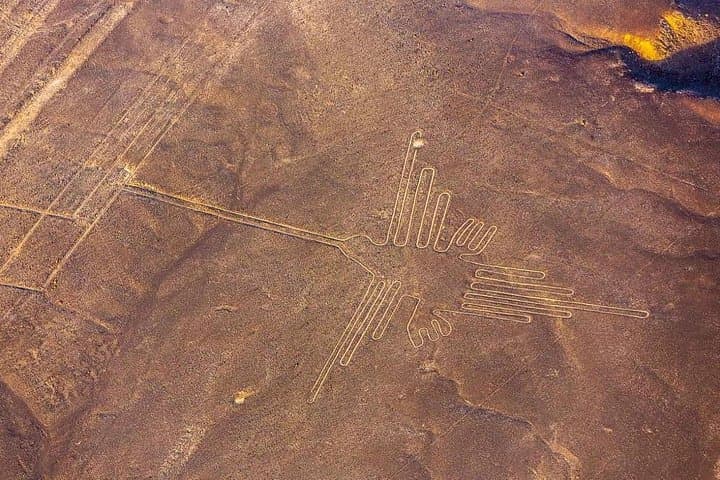
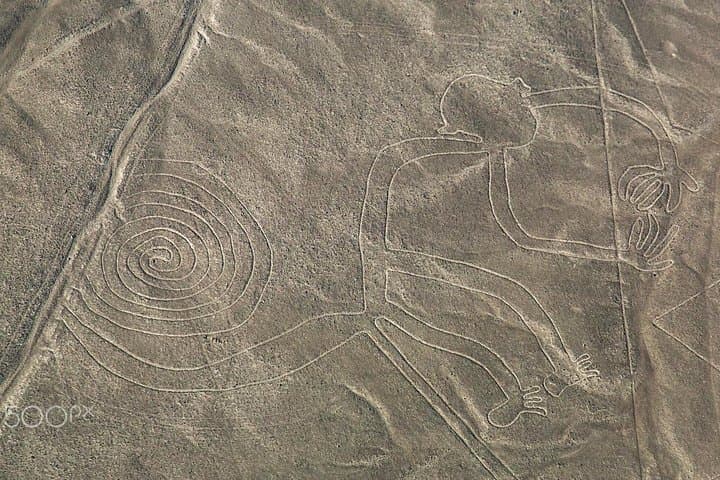
Long before the Cessna turns and banks for a pass, you can feel the scale: straight lines that run for kilometers, geometric trapezoids, and the famous hummingbird and spider peering back from the sand. These geoglyphs date to the Nazca culture (200 BCE–600 CE), carved into the desert by removing darker pebbles to reveal lighter subsoil. The arid climate and minimal erosion preserved them, while the surrounding geology—coarse alluvial plains cut by ancient riverbeds—helps explain their visibility from above.
Local culture in Nazca mixes small-town Peruvian life with aviation-focused tourism; pilots and guides are practiced at staging the perfect circling pass. Expect swaps of stories about the lines' possible astronomical, ritual, or water-related purposes—no single explanation is universally accepted.
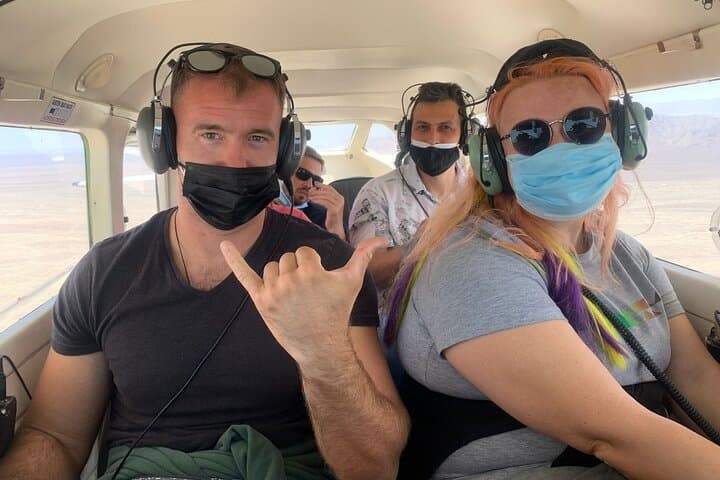
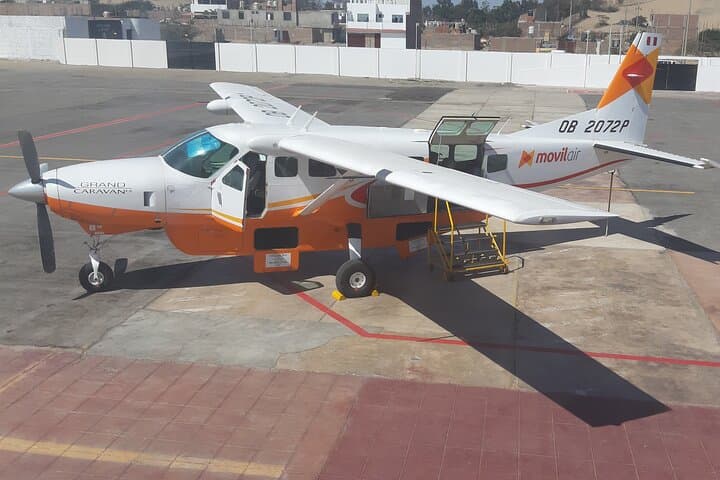
Practicalities: the flight itself is typically about 30–40 minutes in a small Cessna with a pilot and copilot; total booking time is generally 60–120 minutes including pickup. Bring motion-sickness medication if you are prone to airsickness, sit on the window side and keep your camera ready. Morning flights usually offer the clearest light; coastal garúa (fog) in winter can reduce visibility.
Health and documentation: a valid passport is required, and this tour is not recommended for pregnant travelers or those with serious heart conditions. Flights often end with a novelty: a signed certificate from your pilot.
easy.
60–120 minutes.
No special fitness required beyond boarding a small aircraft; able-bodied mobility to enter/exit light aircraft is needed.
The airborne portion is usually about 30–40 minutes; the full activity, including pickup and ground formalities, typically lasts 60–120 minutes.
Operators use small, maintained Cessna-type aircraft with experienced pilots; however, small-plane flights have inherent motion and space considerations—follow crew instructions.
Morning flights offer steadier air and clearer light; coastal fog (garúa) in the southern hemisphere winter months can reduce visibility later in the day.
Yes — a current, valid passport is required at booking and must be presented on the day of the flight.
The Nazca Lines were created by the Nazca culture between roughly 200 BCE and 600 CE; their purpose is debated—proposed explanations include ritual pathways, astronomical markers, or water-related significance.
The geoglyphs are vulnerable to surface disturbance and vandalism; visitors should avoid walking on the plains and support operators who adhere to protected-site guidelines.
Danzak Peru Travel operates guided outdoor trips and adventures with an emphasis on safety, stewardship, and memorable experiences.
You taxi down a short strip of desert runway, the plane's engine ticking like a restless insect, and minutes later the Nazca plain spreads below — a hard, ochre canvas scored with enormous lines and figures that only make sense from the air.
You taxi down a short strip of desert runway, the plane's engine ticking like a restless insect, and minutes later the Nazca plain spreads below — a hard, ochre canvas scored with enormous lines and figures that only make sense from the air.
Long before the Cessna turns and banks for a pass, you can feel the scale: straight lines that run for kilometers, geometric trapezoids, and the famous hummingbird and spider peering back from the sand. These geoglyphs date to the Nazca culture (200 BCE–600 CE), carved into the desert by removing darker pebbles to reveal lighter subsoil. The arid climate and minimal erosion preserved them, while the surrounding geology—coarse alluvial plains cut by ancient riverbeds—helps explain their visibility from above.
Local culture in Nazca mixes small-town Peruvian life with aviation-focused tourism; pilots and guides are practiced at staging the perfect circling pass. Expect swaps of stories about the lines' possible astronomical, ritual, or water-related purposes—no single explanation is universally accepted.
Practicalities: the flight itself is typically about 30–40 minutes in a small Cessna with a pilot and copilot; total booking time is generally 60–120 minutes including pickup. Bring motion-sickness medication if you are prone to airsickness, sit on the window side and keep your camera ready. Morning flights usually offer the clearest light; coastal garúa (fog) in winter can reduce visibility.
Health and documentation: a valid passport is required, and this tour is not recommended for pregnant travelers or those with serious heart conditions. Flights often end with a novelty: a signed certificate from your pilot.