THE ADVENTURE COLLECTIVE® · Independent discovery and booking for outdoor travel

A short, scenic flight from Nasca puts you directly above the mysterious Nazca Lines. This practical guide explains what to expect in the air, the cultural context of the geoglyphs, and essential planning tips for a smooth overflight.
A short, scenic flight from Nasca puts you directly above the mysterious Nazca Lines. This practical guide explains what to expect in the air, the cultural context of the geoglyphs, and essential planning tips for a smooth overflight.
The plane lifts off from the Maria Reiche aerodrome and the flat, ochre desert unfurls beneath you like a map with secrets. Wind ruffles the sand; the aircraft banks gently and the first angled line appears, an incision across an ancient plain. From the small cabin the geoglyphs resolve—animal forms, straight lines that run for kilometers, geometric trapezoids—each a deliberate contrast against the sun-baked surface.
Verified experiences and guided adventures in the surrounding area.
Operated by Sam Travel Experiences · Nasca, Ica
The plane lifts off from the Maria Reiche aerodrome and the flat, ochre desert unfurls beneath you like a map with secrets. Wind ruffles the sand; the aircraft banks gently and the first angled line appears, an incision across an ancient plain. From the small cabin the geoglyphs resolve—animal forms, straight lines that run for kilometers, geometric trapezoids—each a deliberate contrast against the sun-baked surface.
These figures date from 500 BCE to 500 CE and sit on a high, arid plateau carved by tectonic uplift and wind. The Nazca people applied careful planning and astronomical knowledge to lay out long sightlines on packed earth that resists erosion—an unusual combination of culture and geology that UNESCO protects as a World Cultural Heritage Site. Local guides and small aerodromes like María Reiche are part of the town’s living economy; flights support tourism while offering one of the clearest vantage points to interpret the lines.
Practically, expect a 30-minute airborne window over the main figures within a roughly 3–4 hour roundtrip service that includes hotel or bus-terminal pickup. Flights most often start mid-morning when fog lifts; delays are common if the coastal garúa hangs low. A physical passport is mandatory at check-in; there are strict per-passenger weight limits and health advisories for pregnant travelers or anyone with serious spinal or heart conditions. Bring sun protection and a light layer—the plane can feel cool during ascent. Avoid heavy meals beforehand if you’re prone to airsickness. After landing you’ll receive a flight certificate and a transfer back to your accommodation between about 11:00 a.m. and early afternoon, leaving time to explore Nasca’s small museums or the nearby Puquios aqueduct remains.
easy.
3–4 hours total (30-minute flight).
Minimal fitness required — must be able to board a small aircraft and sit for the duration.
The airborne segment over the main figures runs about 25–35 minutes; the full pickup-to-dropoff service lasts roughly 3–4 hours depending on wait times.
Yes — a physical passport is mandatory at the aerodrome for all passengers.
Operators advise that pregnant travelers and those with serious spinal or cardiovascular conditions should not fly; check with your doctor and the tour operator before booking.
Flights are often delayed until morning fog clears; operators will wait for safe visibility and reschedule within the same service window when possible.
The Nazca geoglyphs were produced by indigenous communities between about 500 BCE and 500 CE; their scale and line precision reflect long-term planning linked to ritual and landscape use.
The site is fragile: vehicles, foot traffic and development can damage geoglyphs, so overflights and designated viewing policies are used to limit ground impact and preserve the lines.
Sam Travel Experiences operates guided outdoor trips and adventures with an emphasis on safety, stewardship, and memorable experiences.
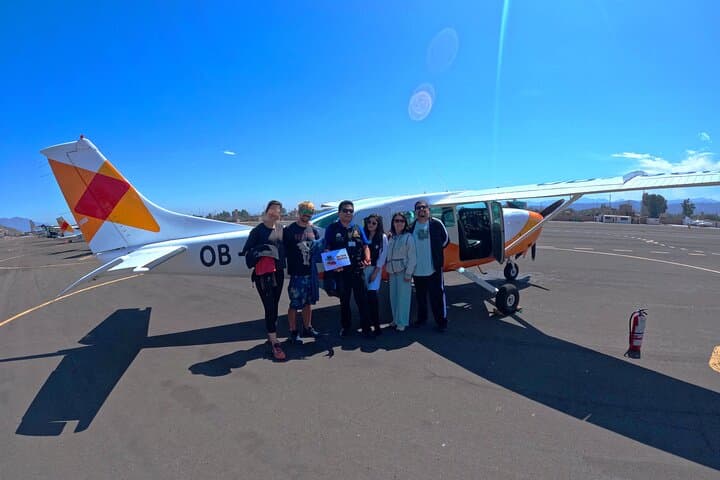
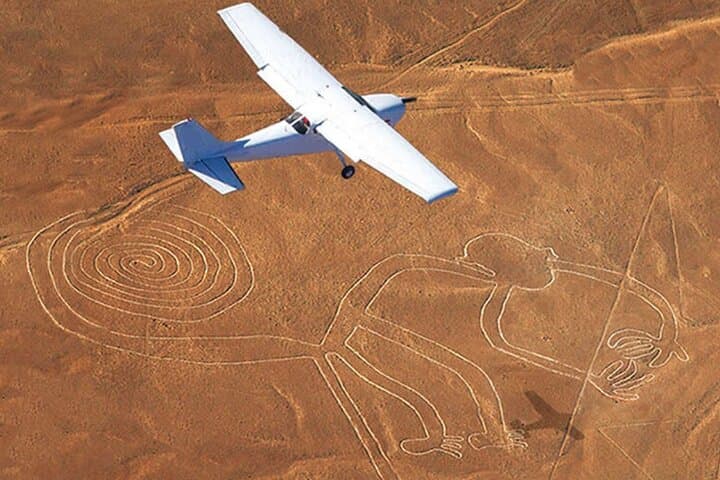
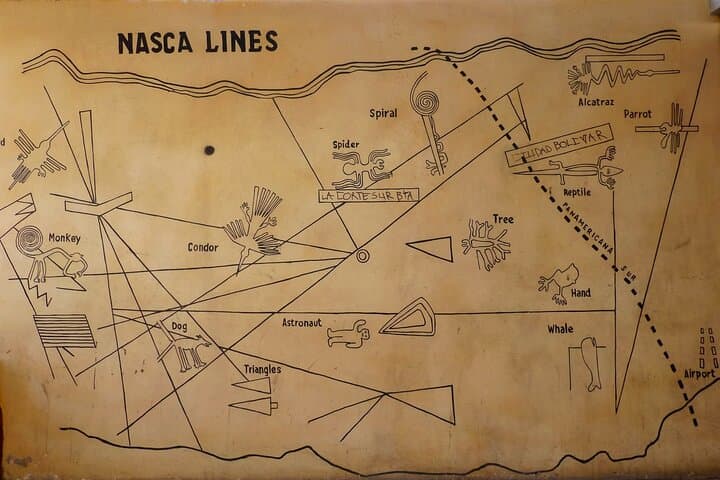
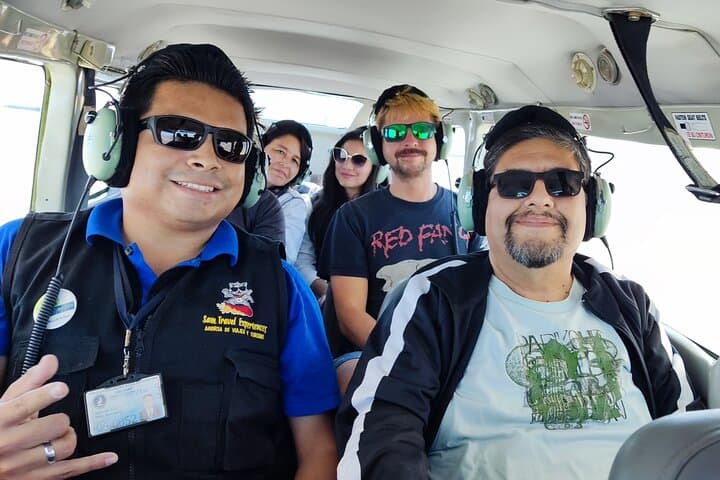
The plane lifts off from the Maria Reiche aerodrome and the flat, ochre desert unfurls beneath you like a map with secrets. Wind ruffles the sand; the aircraft banks gently and the first angled line appears, an incision across an ancient plain. From the small cabin the geoglyphs resolve—animal forms, straight lines that run for kilometers, geometric trapezoids—each a deliberate contrast against the sun-baked surface.
The plane lifts off from the Maria Reiche aerodrome and the flat, ochre desert unfurls beneath you like a map with secrets. Wind ruffles the sand; the aircraft banks gently and the first angled line appears, an incision across an ancient plain. From the small cabin the geoglyphs resolve—animal forms, straight lines that run for kilometers, geometric trapezoids—each a deliberate contrast against the sun-baked surface.
These figures date from 500 BCE to 500 CE and sit on a high, arid plateau carved by tectonic uplift and wind. The Nazca people applied careful planning and astronomical knowledge to lay out long sightlines on packed earth that resists erosion—an unusual combination of culture and geology that UNESCO protects as a World Cultural Heritage Site. Local guides and small aerodromes like María Reiche are part of the town’s living economy; flights support tourism while offering one of the clearest vantage points to interpret the lines.
Practically, expect a 30-minute airborne window over the main figures within a roughly 3–4 hour roundtrip service that includes hotel or bus-terminal pickup. Flights most often start mid-morning when fog lifts; delays are common if the coastal garúa hangs low. A physical passport is mandatory at check-in; there are strict per-passenger weight limits and health advisories for pregnant travelers or anyone with serious spinal or heart conditions. Bring sun protection and a light layer—the plane can feel cool during ascent. Avoid heavy meals beforehand if you’re prone to airsickness. After landing you’ll receive a flight certificate and a transfer back to your accommodation between about 11:00 a.m. and early afternoon, leaving time to explore Nasca’s small museums or the nearby Puquios aqueduct remains.