THE ADVENTURE COLLECTIVE® · Independent discovery and booking for outdoor travel

Hover above Peru’s desert and watch animal figures, straight lines and geometric forms resolve from the air. This 30–35 minute flight over the Nazca Lines pairs a focused multimedia briefing with round-trip aerodrome transfers and local insights for first-time flyers.
Hover above Peru’s desert and watch animal figures, straight lines and geometric forms resolve from the air. This 30–35 minute flight over the Nazca Lines pairs a focused multimedia briefing with round-trip aerodrome transfers and local insights for first-time flyers.
You climb into a six-seat light aircraft while the desert waits below, a flat, sun-baked canvas that suddenly yields patterns as the plane banks. From the window the figures resolve—an enormous hummingbird, a spider, straight lines that run for kilometers—each shape carved into the pampa with geometric clarity. The pilot speaks over the headset, and a guide points out the 18 major motifs on the supplied flight map as the engines steady.
Verified experiences and guided adventures in the surrounding area.
Operated by GET2PERU.COM EIRL · Nazca, Ica
You climb into a six-seat light aircraft while the desert waits below, a flat, sun-baked canvas that suddenly yields patterns as the plane banks. From the window the figures resolve—an enormous hummingbird, a spider, straight lines that run for kilometers—each shape carved into the pampa with geometric clarity. The pilot speaks over the headset, and a guide points out the 18 major motifs on the supplied flight map as the engines steady.
The Nazca Lines were etched by the Nazca culture roughly between 200 BCE and 600 CE. The arid coastal plain preserves the geoglyphs because of a hard, dark surface layer of pebbles that, when removed, reveals the lighter subsoil. Maria Reiche’s mid-20th-century research and later UNESCO protection helped turn these designs into a window on pre-Columbian engineering and ritual practice. Local towns maintain small museums and an observation tower, while archaeological sites like Cahuachi offer complementary context.
Practically, expect a ~30–35 minute flight but plan for 2–3 hours total at the aerodrome for check-in, briefing, and transfers. Morning flights usually offer the best visibility; winter garúa fog (June–August) can reduce clarity. Seats are assigned for weight balance; passengers over ~110 kg may face additional fees. Bring sunglasses, a windproof layer and motion-sickness remedies if you’re prone to airsickness. Cameras are allowed — bring extra batteries — and listen closely during the pre-flight briefing to identify each figure on your map. The experience is short but unforgettable: the desert’s quiet makes each line feel intentional, and the aircraft’s gentle turn makes ancient geometry come alive beneath you.
easy.
2–3 hours (includes briefing and transfers).
Minimal exertion required; suitable for most fitness levels though boarding small aircraft requires basic mobility
The airborne portion is roughly 30–35 minutes, though expect 2–3 hours total including briefing, check-in, and transfers.
Yes—infants may fly but must sit on an adult’s lap; bring identification and notify the operator at booking.
Morning flights usually offer the best visibility; winter months (June–August) can bring coastal fog (garúa) that reduces clarity.
Airlines managing these flights commonly note that passengers over ~110 kg (240 lbs) may be charged an additional fee to balance weight distribution.
The Nazca Lines were created by the Nazca culture between about 200 BCE and 600 CE; their scale and precision are linked to ritual and landscape management.
The geoglyphs are fragile: walking on them or driving across the pampa damages the patina; UNESCO protections and local regulations restrict ground access to preserve the lines.
GET2PERU.COM EIRL operates guided outdoor trips and adventures with an emphasis on safety, stewardship, and memorable experiences.
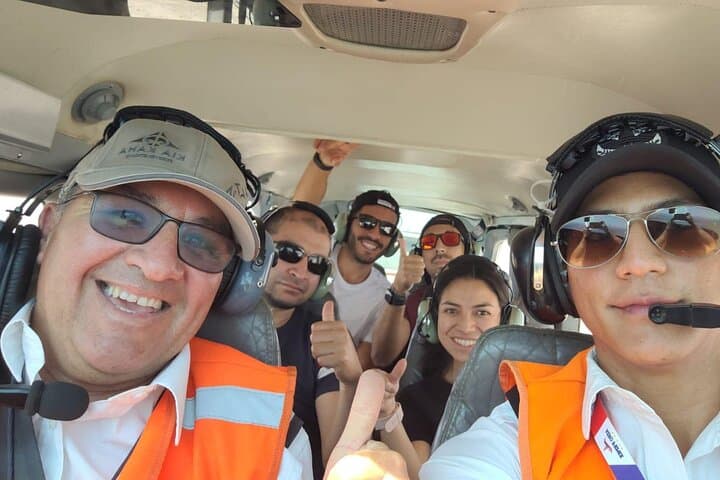
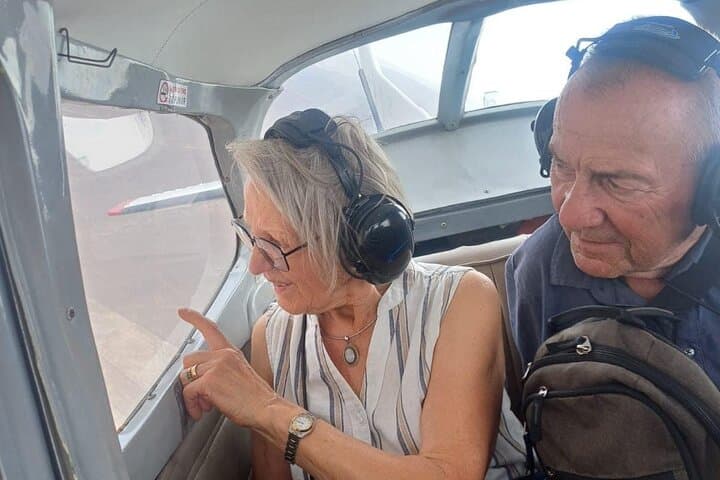
You climb into a six-seat light aircraft while the desert waits below, a flat, sun-baked canvas that suddenly yields patterns as the plane banks. From the window the figures resolve—an enormous hummingbird, a spider, straight lines that run for kilometers—each shape carved into the pampa with geometric clarity. The pilot speaks over the headset, and a guide points out the 18 major motifs on the supplied flight map as the engines steady.
You climb into a six-seat light aircraft while the desert waits below, a flat, sun-baked canvas that suddenly yields patterns as the plane banks. From the window the figures resolve—an enormous hummingbird, a spider, straight lines that run for kilometers—each shape carved into the pampa with geometric clarity. The pilot speaks over the headset, and a guide points out the 18 major motifs on the supplied flight map as the engines steady.
The Nazca Lines were etched by the Nazca culture roughly between 200 BCE and 600 CE. The arid coastal plain preserves the geoglyphs because of a hard, dark surface layer of pebbles that, when removed, reveals the lighter subsoil. Maria Reiche’s mid-20th-century research and later UNESCO protection helped turn these designs into a window on pre-Columbian engineering and ritual practice. Local towns maintain small museums and an observation tower, while archaeological sites like Cahuachi offer complementary context.
Practically, expect a ~30–35 minute flight but plan for 2–3 hours total at the aerodrome for check-in, briefing, and transfers. Morning flights usually offer the best visibility; winter garúa fog (June–August) can reduce clarity. Seats are assigned for weight balance; passengers over ~110 kg may face additional fees. Bring sunglasses, a windproof layer and motion-sickness remedies if you’re prone to airsickness. Cameras are allowed — bring extra batteries — and listen closely during the pre-flight briefing to identify each figure on your map. The experience is short but unforgettable: the desert’s quiet makes each line feel intentional, and the aircraft’s gentle turn makes ancient geometry come alive beneath you.