THE ADVENTURE COLLECTIVE® · Independent discovery and booking for outdoor travel

See the Nazca Lines from a small plane, then chase sunset on Huacachina’s dunes in a two-part day trip from Ica. This tour merges archaeology, desert geology and high-adrenaline dune bashing with practical logistics for a single, full day of exploration.
See the Nazca Lines from a small plane, then chase sunset on Huacachina’s dunes in a two-part day trip from Ica. This tour merges archaeology, desert geology and high-adrenaline dune bashing with practical logistics for a single, full day of exploration.
You taxi the dusty airstrip, propellers whisper to life, and the desert below opens — a series of stark, geometric figures cut into a pale plain. The thirty-minute Nazca flight places you over the hummingbird, spider and condor, each geoglyph revealed slowly as the pilot banks. Later the day shifts: golden light hits the Huacachina dunes, and a dune buggy charges the slopes while sandboards peel away down soft faces.
Verified experiences and guided adventures in the surrounding area.
Operated by Machu Picchu Peru Tours · Ica, Ica
You taxi the dusty airstrip, propellers whisper to life, and the desert below opens — a series of stark, geometric figures cut into a pale plain. The thirty-minute Nazca flight places you over the hummingbird, spider and condor, each geoglyph revealed slowly as the pilot banks. Later the day shifts: golden light hits the Huacachina dunes, and a dune buggy charges the slopes while sandboards peel away down soft faces.
The Nazca Lines were made by pre-Columbian people between roughly 200 BCE and 600 CE; the region’s hyper-arid climate and a hard, pebbled surface preserved those long strokes. Geologically, you’re on an uplifted coastal plain of windblown sand and stabilized crust that resists erosion — which is why the lines survived. Culturally, the route links Ica’s wine and pisco history with Nasca’s archaeology and Huacachina’s small oasis community that serves as the adventure hub.
Practical edge: the flight is about 30–35 minutes; dune buggy and sandboarding run roughly two hours. Transfers from Ica take around 1.5–2 hours each way. Weight limits apply to the flight (about 90 kg); not recommended for pregnant travelers or those with serious heart conditions. Bring sunscreen, a hat, closed shoes, and motion-sickness remedies. Book mid-afternoon to combine the Nazca flight and arrive to Huacachina in time for sunset on the dunes. Expect bumps, brief climbs on the buggy, and sandy spray — part of the thrill. Stay hydrated and keep passports handy for flight manifest checks. This is a day that pairs cultural perspective with adrenaline, all under the dry, relentless Peruvian sun.
moderate.
10–12 hours.
Suitable for people with average fitness; dune runs involve short bumpy rides and optional sandboarding that require basic balance.
Flights typically last 30–35 minutes and cover the major geoglyphs; timing can vary with weather and routing.
Sandboarding is commonly included as a basic option; it’s easy to learn and most people stay standing or kneel on regular boards.
Yes—aircraft operators usually set a weight limit around 90 kg (200 lb) and the flight is not recommended for pregnant travelers or those with serious cardiovascular conditions.
The drive between Ica and Nasca is roughly 100–130 km and usually takes about 1.5–2 hours each way depending on traffic and stops.
The Nazca Lines were created by the Nazca culture between roughly 200 BCE and 600 CE and likely had ritual or astronomical significance.; Huacachina grew as a resort around a desert spring and later became a hub for sand-based recreation.
The arid environment preserves the geoglyphs but is fragile; stick to marked roads and authorized viewpoints, and support operators that follow local site-protection rules.
Machu Picchu Peru Tours operates guided outdoor trips and adventures with an emphasis on safety, stewardship, and memorable experiences.



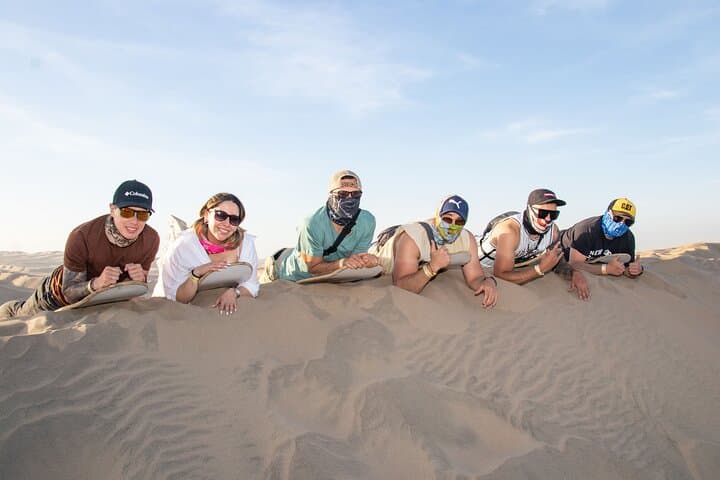
You taxi the dusty airstrip, propellers whisper to life, and the desert below opens — a series of stark, geometric figures cut into a pale plain. The thirty-minute Nazca flight places you over the hummingbird, spider and condor, each geoglyph revealed slowly as the pilot banks. Later the day shifts: golden light hits the Huacachina dunes, and a dune buggy charges the slopes while sandboards peel away down soft faces.
You taxi the dusty airstrip, propellers whisper to life, and the desert below opens — a series of stark, geometric figures cut into a pale plain. The thirty-minute Nazca flight places you over the hummingbird, spider and condor, each geoglyph revealed slowly as the pilot banks. Later the day shifts: golden light hits the Huacachina dunes, and a dune buggy charges the slopes while sandboards peel away down soft faces.
The Nazca Lines were made by pre-Columbian people between roughly 200 BCE and 600 CE; the region’s hyper-arid climate and a hard, pebbled surface preserved those long strokes. Geologically, you’re on an uplifted coastal plain of windblown sand and stabilized crust that resists erosion — which is why the lines survived. Culturally, the route links Ica’s wine and pisco history with Nasca’s archaeology and Huacachina’s small oasis community that serves as the adventure hub.
Practical edge: the flight is about 30–35 minutes; dune buggy and sandboarding run roughly two hours. Transfers from Ica take around 1.5–2 hours each way. Weight limits apply to the flight (about 90 kg); not recommended for pregnant travelers or those with serious heart conditions. Bring sunscreen, a hat, closed shoes, and motion-sickness remedies. Book mid-afternoon to combine the Nazca flight and arrive to Huacachina in time for sunset on the dunes. Expect bumps, brief climbs on the buggy, and sandy spray — part of the thrill. Stay hydrated and keep passports handy for flight manifest checks. This is a day that pairs cultural perspective with adrenaline, all under the dry, relentless Peruvian sun.