THE ADVENTURE COLLECTIVE® · Independent discovery and booking for outdoor travel

Experience a 90-minute overflight of the Nazca Lines from Pisco, followed by lunch, a Pisco winery visit and dune buggy and sandboarding time in Huacachina. This long day trip from Lima combines archaeology, coastal desert landscapes and high-adrenaline sand dunes.
Experience a 90-minute overflight of the Nazca Lines from Pisco, followed by lunch, a Pisco winery visit and dune buggy and sandboarding time in Huacachina. This long day trip from Lima combines archaeology, coastal desert landscapes and high-adrenaline sand dunes.
You lift off from the coastal plain and the Pacific falls away beneath the wings—below, pale desert stretches into figures cut into the earth. The Cessna eases into a steady arc so the pilot can point out the hummingbird, the monkey and the straight lines that slice the Nazca plateau; the wind in the cabin feels like the desert itself, stilled and patient.
Verified experiences and guided adventures in the surrounding area.
Operated by Inca Trilogy Tours · Pisco, Ica
You lift off from the coastal plain and the Pacific falls away beneath the wings—below, pale desert stretches into figures cut into the earth. The Cessna eases into a steady arc so the pilot can point out the hummingbird, the monkey and the straight lines that slice the Nazca plateau; the wind in the cabin feels like the desert itself, stilled and patient.
The geoglyphs were engraved by the Nazca culture between roughly 500 BCE and 500 CE, laid out on a hard-packed desert plain that preserves lines with almost uncanny clarity. Geology here is simple: wind-polished sands and compacted alluvium that refuse vegetation, making human marks visible from the air for millennia. After the overflight you'll descend south toward the Ica valley and the bright-water pocket of Huacachina, where dunes rise like breakers frozen inland.
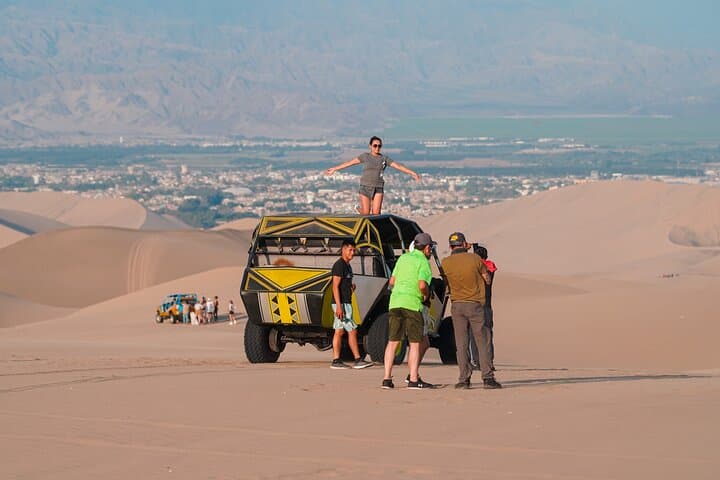
Culturally the day ties aviation, viticulture and desert sport: a Pisco winery stop explains Peru’s grape spirit, and the oasis offers dune buggies and sandboarding on slopes that can top out around 50–100 meters—enough pitch to make boards scream. Expect a long but packed day: roughly 17 hours door-to-door from Lima with about 4 hours of road travel each way and a 90-minute overflight.
Practical notes: book early-morning pickup, pack sun protection, motion-sickness remedies for the light plane, and a change of clothes for sand. The terrain is loose sand and packed runway tarmac; physical demand is low but the day is long. Hydrate frequently, plan for garúa fog in coastal winter, and leave room in your schedule—flight slots can shift with weather. The trip rewards patience with wide desert horizons and one of archaeology’s most dramatic aerial views.
moderate.
Approximately 17 hours.
Suitable for people in average fitness; long travel day with short active bursts for sandboarding and boarding a small plane.
The flyover portion is roughly 1 to 1.5 hours including boarding and safety briefings; actual air time to view lines is about 30–45 minutes depending on routing.
Most travelers can participate, but it's not recommended for pregnant travelers, people with severe back or heart problems, or those unable to handle small aircraft; children and seniors can usually join with prior notice.
Take anti-nausea medication before the flight, sit facing forward if possible, focus on the horizon and avoid heavy meals right before boarding.
Pickup from Lima hotels is typically early (around 6:00–8:00 AM) to meet Pisco flight schedules; exact pickup time is confirmed the day before.
The Nazca Lines are large geoglyphs created by the pre-Columbian Nazca culture between roughly 500 BCE and 500 CE; their purpose remains debated among archaeologists.
The desert surface that preserves the lines is fragile—stay on designated paths, follow guide instructions and support operators who fund local conservation and archaeological protection.
Inca Trilogy Tours operates guided outdoor trips and adventures with an emphasis on safety, stewardship, and memorable experiences.

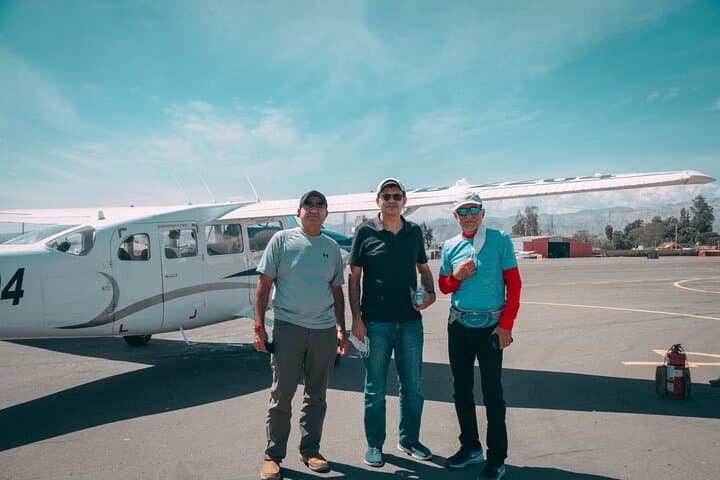

You lift off from the coastal plain and the Pacific falls away beneath the wings—below, pale desert stretches into figures cut into the earth. The Cessna eases into a steady arc so the pilot can point out the hummingbird, the monkey and the straight lines that slice the Nazca plateau; the wind in the cabin feels like the desert itself, stilled and patient.
You lift off from the coastal plain and the Pacific falls away beneath the wings—below, pale desert stretches into figures cut into the earth. The Cessna eases into a steady arc so the pilot can point out the hummingbird, the monkey and the straight lines that slice the Nazca plateau; the wind in the cabin feels like the desert itself, stilled and patient.
The geoglyphs were engraved by the Nazca culture between roughly 500 BCE and 500 CE, laid out on a hard-packed desert plain that preserves lines with almost uncanny clarity. Geology here is simple: wind-polished sands and compacted alluvium that refuse vegetation, making human marks visible from the air for millennia. After the overflight you'll descend south toward the Ica valley and the bright-water pocket of Huacachina, where dunes rise like breakers frozen inland.
Culturally the day ties aviation, viticulture and desert sport: a Pisco winery stop explains Peru’s grape spirit, and the oasis offers dune buggies and sandboarding on slopes that can top out around 50–100 meters—enough pitch to make boards scream. Expect a long but packed day: roughly 17 hours door-to-door from Lima with about 4 hours of road travel each way and a 90-minute overflight.
Practical notes: book early-morning pickup, pack sun protection, motion-sickness remedies for the light plane, and a change of clothes for sand. The terrain is loose sand and packed runway tarmac; physical demand is low but the day is long. Hydrate frequently, plan for garúa fog in coastal winter, and leave room in your schedule—flight slots can shift with weather. The trip rewards patience with wide desert horizons and one of archaeology’s most dramatic aerial views.