THE ADVENTURE COLLECTIVE® · Independent discovery and booking for outdoor travel

See the Nazca Lines the way they were meant to be seen: from the air. This 35-minute flight gives you a close circuit over the principal geoglyphs and practical tips for getting the best views, handling motion sensitivity, and what to do after you land.
See the Nazca Lines the way they were meant to be seen: from the air. This 35-minute flight gives you a close circuit over the principal geoglyphs and practical tips for getting the best views, handling motion sensitivity, and what to do after you land.
Above a flat, rust-colored plain the plane banks, revealing a stitched pattern of lines and figures etched into the earth. In the cabin the desert opens like a map: spirals, a hummingbird, the stretching dog — each glyph unfurled beneath the wing and suddenly legible only from altitude.
Verified experiences and guided adventures in the surrounding area.
Operated by Movil Air · Nazca, Ica
Above a flat, rust-colored plain the plane banks, revealing a stitched pattern of lines and figures etched into the earth. In the cabin the desert opens like a map: spirals, a hummingbird, the stretching dog — each glyph unfurled beneath the wing and suddenly legible only from altitude.
The Nazca Lines were produced by the Nasca culture between roughly 100 BCE and 800 CE on wind-scoured alluvial plains whose dark surface crust preserved the designs. Researchers from Maria Reiche to modern archaeologists have argued over purpose; pilgrimage, astronomical markers and ritual pathways remain leading theories. The site became a UNESCO World Heritage Site in 1994 and sits amid a landscape of small agricultural oases and pre-Hispanic ruins that frame the aerial spectacle.
Practical guidance: flights run about 30–35 minutes from Nazca’s airstrip using small aircraft for 6–12 passengers. Morning departures reduce thermal turbulence; operators often include hotel pickup within Nazca. Expect tight windows, quick circuits that show around 17 principal figures, and enforced health rules — travelers with heart conditions or pregnancy are commonly advised not to fly. Bring a camera with optical zoom, pick a seat on the side indicated at check-in for optimal photos, and consider motion-sickness remedies. Weather and limited daily slots mean you should book early and plan a backup visit to Chauchilla Cemetery or Cantalloc aqueducts after landing to stretch and ground the aerial view with on-the-ground context.
easy.
35 minutes.
Minimal fitness required to board, but travelers should be in good cardiovascular health; not recommended for pregnant guests or those with serious heart conditions.
The scheduled flight is about 30–35 minutes; the standard circuit highlights roughly 17 principal figures depending on the operator’s routing.
Operators use small, certified aircraft with experienced pilots; flights are regulated locally and can be canceled for weather or safety concerns—choose reputable companies that brief passengers pre-flight.
Infants are allowed but typically required to sit on an adult’s lap; check operator age limits and seat availability as space is limited.
Most operators offer full refunds or rebooking when flights are canceled for weather; confirm the provider’s policy before booking and allow flexibility in your schedule.
The geoglyphs were created by the Nasca culture on a flat, stabilized desert floor between roughly 100 BCE and 800 CE and gained modern study through mid-20th-century researchers including Maria Reiche.
The Nazca Lines are a UNESCO World Heritage Site with strict protections—stay on marked roads, avoid walking on the plains, and support operators who follow local conservation rules.
Movil Air operates guided outdoor trips and adventures with an emphasis on safety, stewardship, and memorable experiences.
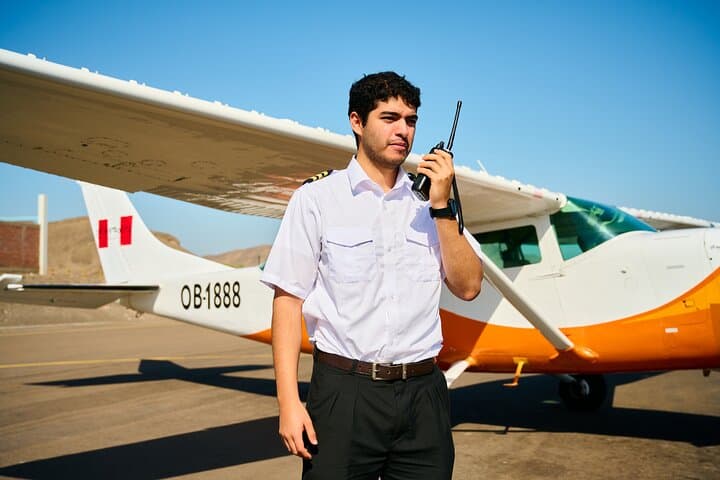
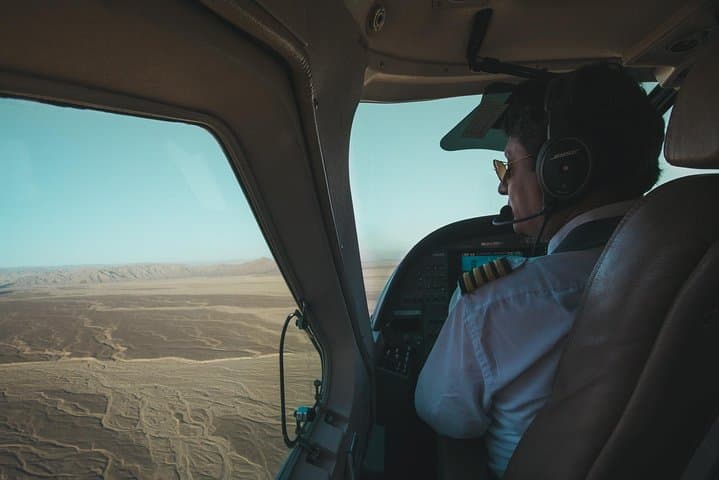
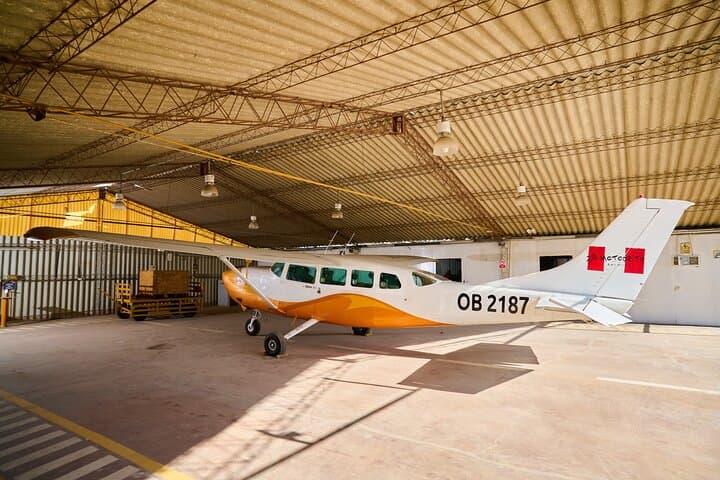
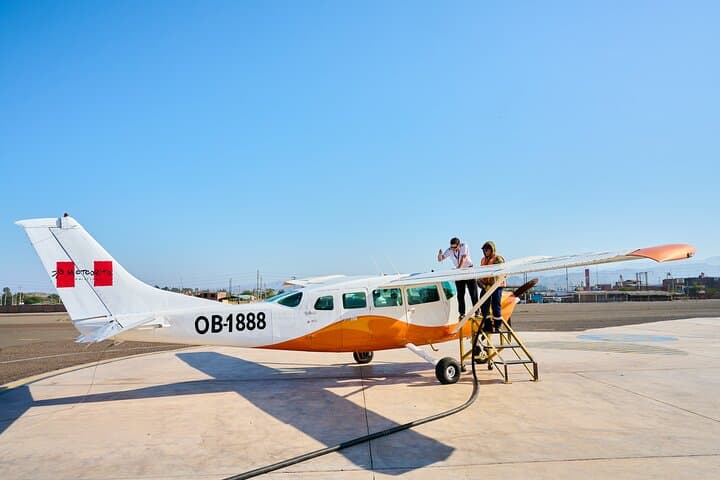
Above a flat, rust-colored plain the plane banks, revealing a stitched pattern of lines and figures etched into the earth. In the cabin the desert opens like a map: spirals, a hummingbird, the stretching dog — each glyph unfurled beneath the wing and suddenly legible only from altitude.
Above a flat, rust-colored plain the plane banks, revealing a stitched pattern of lines and figures etched into the earth. In the cabin the desert opens like a map: spirals, a hummingbird, the stretching dog — each glyph unfurled beneath the wing and suddenly legible only from altitude.
The Nazca Lines were produced by the Nasca culture between roughly 100 BCE and 800 CE on wind-scoured alluvial plains whose dark surface crust preserved the designs. Researchers from Maria Reiche to modern archaeologists have argued over purpose; pilgrimage, astronomical markers and ritual pathways remain leading theories. The site became a UNESCO World Heritage Site in 1994 and sits amid a landscape of small agricultural oases and pre-Hispanic ruins that frame the aerial spectacle.
Practical guidance: flights run about 30–35 minutes from Nazca’s airstrip using small aircraft for 6–12 passengers. Morning departures reduce thermal turbulence; operators often include hotel pickup within Nazca. Expect tight windows, quick circuits that show around 17 principal figures, and enforced health rules — travelers with heart conditions or pregnancy are commonly advised not to fly. Bring a camera with optical zoom, pick a seat on the side indicated at check-in for optimal photos, and consider motion-sickness remedies. Weather and limited daily slots mean you should book early and plan a backup visit to Chauchilla Cemetery or Cantalloc aqueducts after landing to stretch and ground the aerial view with on-the-ground context.