THE ADVENTURE COLLECTIVE® · Independent discovery and booking for outdoor travel

Soar above the Nazca Desert on a 30–35 minute flight and see huge animal and geometric geoglyphs only visible from the air. This concise guide explains what to expect, why the lines survived, and practical tips for a smooth overflight.
Soar above the Nazca Desert on a 30–35 minute flight and see huge animal and geometric geoglyphs only visible from the air. This concise guide explains what to expect, why the lines survived, and practical tips for a smooth overflight.
The plane lifts off from Maria Reiche Neuman Airport and the Nazca Desert unfurls beneath like a map scratched in stone — wide, pale, and eerily deliberate.
Verified experiences and guided adventures in the surrounding area.
Operated by IZI PERU · Nazca, Ica
The plane lifts off from Maria Reiche Neuman Airport and the Nazca Desert unfurls beneath like a map scratched in stone — wide, pale, and eerily deliberate.
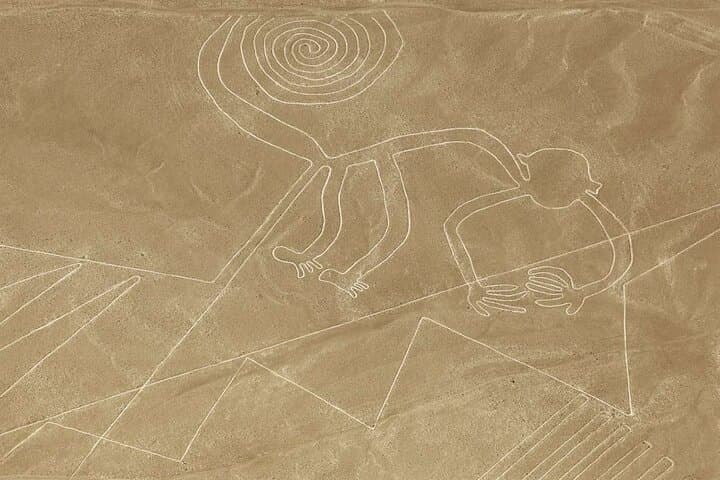
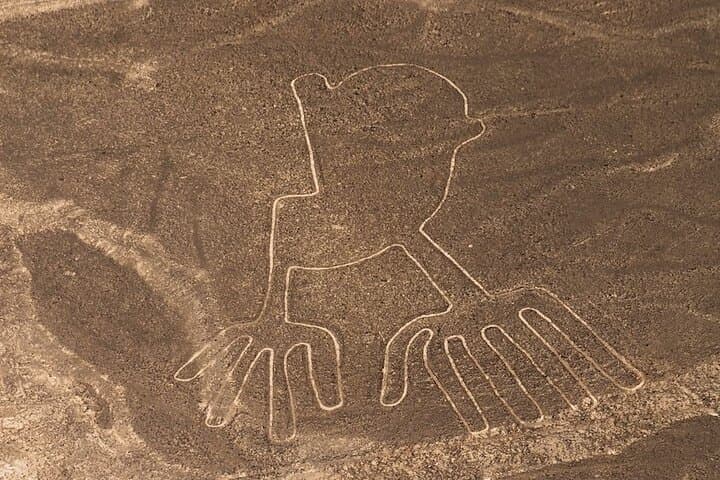
From thirty-five minutes in the air you’ll scan giant figures: the stretched Hummingbird, the straight lines that dare you to follow them, trapezoids and spirals cut into wind-swept earth. The view compresses time; these markings date to the Nasca culture between roughly 100 BCE and 700 CE and remain visible because the hyper-arid desert resists vegetation and erosion.
Geology matters here: a thick layer of dark, iron-rich pebbles was scraped away to reveal lighter subsoil, producing the high-contrast images seen from above. Cultural theories swirl — ritual pathways, astronomical guides, or offerings to coastal deities — and local museums, like the María Reiche museum, put human scales on the mystery.
Practically, the flight is the most reliable way to apprehend scale. Tours typically include hotel pickup in Nazca, bilingual guides, and a 30–35 minute flyover; total excursion time is about 45 minutes. Bring a camera with a fast shutter, sit by a window, and expect occasional light turbulence as the aircraft banks for each panel of figures.
Health and logistics: passengers must present passports, there’s a 100 kg per-seat limit, and travelers with cardiovascular problems should consult a doctor. Book in the morning for the best light and steadier air, and allow time to visit nearby Cantalloc aqueducts or Chauchilla Cemetery on your return for an on-the-ground counterpoint to the aerial view.
easy.
30–45 minutes.
No special fitness required, but those with cardiovascular issues should consult a physician
The flying portion is about 30–35 minutes; total tour time including transfers is typically 45 minutes.
Most ages can participate, but operators may have age restrictions for infants and require disclosure of health conditions; check with the provider before booking.
Yes — a passport is mandatory to board the flight and must be presented on the day.
Yes — take a camera with fast shutter and clean window; light conditions and aircraft banking affect framing and sharpness.
The Nazca Lines were created by the Nasca culture between roughly 100 BCE and 700 CE by scraping dark surface stones to reveal lighter subsoil; their purpose is debated among archaeologists.
The arid climate preserves the figures but they remain vulnerable to human damage and climate-driven erosion; follow operator guidance and support local museums to minimize impact.
IZI PERU operates guided outdoor trips and adventures with an emphasis on safety, stewardship, and memorable experiences.


The plane lifts off from Maria Reiche Neuman Airport and the Nazca Desert unfurls beneath like a map scratched in stone — wide, pale, and eerily deliberate.
The plane lifts off from Maria Reiche Neuman Airport and the Nazca Desert unfurls beneath like a map scratched in stone — wide, pale, and eerily deliberate.
From thirty-five minutes in the air you’ll scan giant figures: the stretched Hummingbird, the straight lines that dare you to follow them, trapezoids and spirals cut into wind-swept earth. The view compresses time; these markings date to the Nasca culture between roughly 100 BCE and 700 CE and remain visible because the hyper-arid desert resists vegetation and erosion.
Geology matters here: a thick layer of dark, iron-rich pebbles was scraped away to reveal lighter subsoil, producing the high-contrast images seen from above. Cultural theories swirl — ritual pathways, astronomical guides, or offerings to coastal deities — and local museums, like the María Reiche museum, put human scales on the mystery.
Practically, the flight is the most reliable way to apprehend scale. Tours typically include hotel pickup in Nazca, bilingual guides, and a 30–35 minute flyover; total excursion time is about 45 minutes. Bring a camera with a fast shutter, sit by a window, and expect occasional light turbulence as the aircraft banks for each panel of figures.
Health and logistics: passengers must present passports, there’s a 100 kg per-seat limit, and travelers with cardiovascular problems should consult a doctor. Book in the morning for the best light and steadier air, and allow time to visit nearby Cantalloc aqueducts or Chauchilla Cemetery on your return for an on-the-ground counterpoint to the aerial view.