THE ADVENTURE COLLECTIVE® · Independent discovery and booking for outdoor travel

Fly over the enigmatic Nazca geoglyphs, race down Huacachina’s dunes in a buggy, taste Pisco in Ica, and visit wildlife-rich Ballestas Islands — all in a high-energy 2-day loop. Practical route notes and seasonal tips help you plan the overflight and desert leg.
Fly over the enigmatic Nazca geoglyphs, race down Huacachina’s dunes in a buggy, taste Pisco in Ica, and visit wildlife-rich Ballestas Islands — all in a high-energy 2-day loop. Practical route notes and seasonal tips help you plan the overflight and desert leg.
You taxi out before dawn, the coast shrinking behind you and the desert taking over the windshield — wind-driven sand sliding like slow water across dunes that rise and fall like inhalations. By mid-morning a small plane banks low over a pale plain and the Nazca figures resolve: a hummingbird, a monkey, lines that point and dare you to read them.
Verified experiences and guided adventures in the surrounding area.
Operated by GTP Tours Peru · Nazca, Ica
You taxi out before dawn, the coast shrinking behind you and the desert taking over the windshield — wind-driven sand sliding like slow water across dunes that rise and fall like inhalations. By mid-morning a small plane banks low over a pale plain and the Nazca figures resolve: a hummingbird, a monkey, lines that point and dare you to read them.
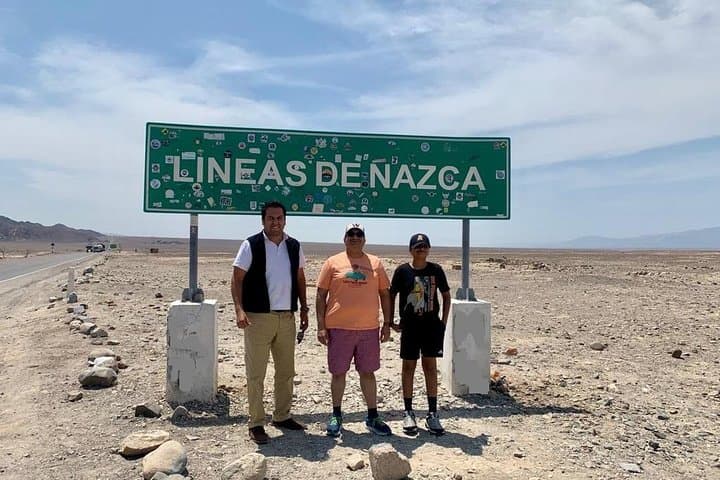
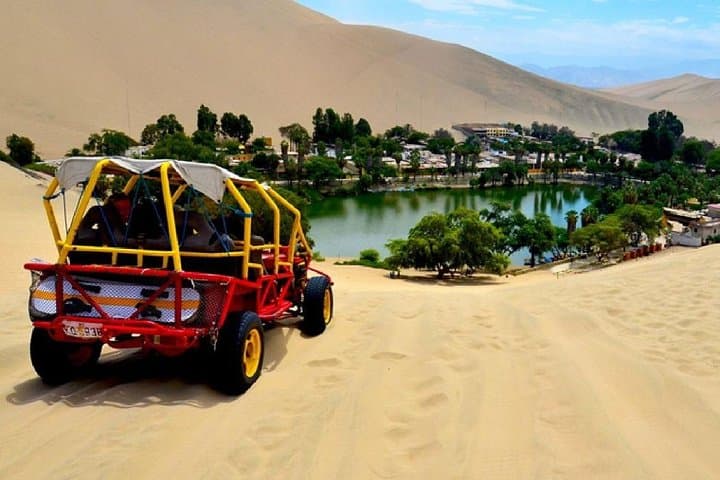
The two-day route threads disparate landscapes. The Nazca Lines date to the pre-Columbian Nazca culture (roughly 200 BCE–600 CE), carved into wind-polished desert clay where rare rains reveal concentric strata. Ica and Paracas tell a different story: coastal upwelling feeds huge seabird colonies and shapes the Candelabro geoglyph on Paracas headlands. Huacachina’s dunes are recent, mobile sand deposited by river and wind that now supply adrenaline in buggy runs and sandboard slides.
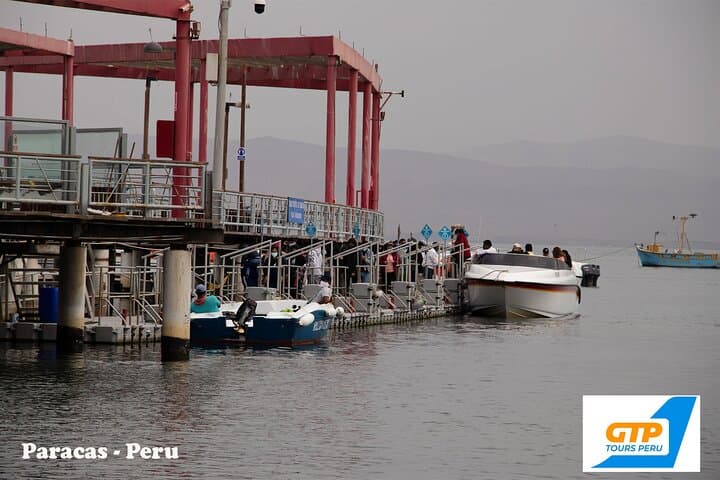
Expect a 7-hour drive from Lima to Nazca, a 30-minute overflight, dune-bashing at Huacachina with basic sandboards provided, a Pisco tasting in Ica, and a speedboat trip to the Ballestas Islands — all in shared or private transfers depending on the leg.
Practical side: book the earliest flight window for best visibility and lighter winds, carry motion-sickness remedies for the small aircraft and open boats, and pack a windbreaker for the Paracas speedboat where spray and wind bite. Hydrate before desert activities and wear shoes that shed sand.
This itinerary balances archaeology, coastal wildlife, and desert sport; the desert pushes you, the sea dares you, and the history waits above it all.
moderate.
2 days.
Suitable for most travelers; you should be able to manage short walks, climb in and out of boats, and endure bumpy vehicle rides.
The overflight is about 30 minutes and typically passes over more than 10 major geoglyphs; visibility depends on weather and flight routing.
It is a fast, open speedboat; conditions are usually calm in the morning but bring a windbreaker and expect spray and wind exposure.
No — basic boards for beginners are provided on shared tours; instructors will give a quick briefing before runs.
This tour is not recommended for travelers with serious spinal or cardiovascular conditions due to long drives, flight motion, and bumpy dune rides.
The Nazca geoglyphs were created by the Nazca culture between about 200 BCE and 600 CE; their purpose remains debated but they are globally recognized archaeological features.
The desert surface and coastal reserves are sensitive to erosion and human impact; follow guide instructions, avoid off-route driving, and use established operators to limit disturbance.
GTP Tours Peru operates guided outdoor trips and adventures with an emphasis on safety, stewardship, and memorable experiences.

You taxi out before dawn, the coast shrinking behind you and the desert taking over the windshield — wind-driven sand sliding like slow water across dunes that rise and fall like inhalations. By mid-morning a small plane banks low over a pale plain and the Nazca figures resolve: a hummingbird, a monkey, lines that point and dare you to read them.
You taxi out before dawn, the coast shrinking behind you and the desert taking over the windshield — wind-driven sand sliding like slow water across dunes that rise and fall like inhalations. By mid-morning a small plane banks low over a pale plain and the Nazca figures resolve: a hummingbird, a monkey, lines that point and dare you to read them.
The two-day route threads disparate landscapes. The Nazca Lines date to the pre-Columbian Nazca culture (roughly 200 BCE–600 CE), carved into wind-polished desert clay where rare rains reveal concentric strata. Ica and Paracas tell a different story: coastal upwelling feeds huge seabird colonies and shapes the Candelabro geoglyph on Paracas headlands. Huacachina’s dunes are recent, mobile sand deposited by river and wind that now supply adrenaline in buggy runs and sandboard slides.
Expect a 7-hour drive from Lima to Nazca, a 30-minute overflight, dune-bashing at Huacachina with basic sandboards provided, a Pisco tasting in Ica, and a speedboat trip to the Ballestas Islands — all in shared or private transfers depending on the leg.
Practical side: book the earliest flight window for best visibility and lighter winds, carry motion-sickness remedies for the small aircraft and open boats, and pack a windbreaker for the Paracas speedboat where spray and wind bite. Hydrate before desert activities and wear shoes that shed sand.
This itinerary balances archaeology, coastal wildlife, and desert sport; the desert pushes you, the sea dares you, and the history waits above it all.