THE ADVENTURE COLLECTIVE® · Independent discovery and booking for outdoor travel

Fly over the UNESCO-listed Nazca Lines on a full-day excursion from Lima. This trip pairs a long coastal drive with a 1.5-hour small-plane overflight to view ancient geoglyphs carved by the Nasca people between 400–650 AD.
Fly over the UNESCO-listed Nazca Lines on a full-day excursion from Lima. This trip pairs a long coastal drive with a 1.5-hour small-plane overflight to view ancient geoglyphs carved by the Nasca people between 400–650 AD.
You step out of the van onto a hot, flat stretch of the southern Peruvian coast; the wind tastes faintly of salt and dust and the desert ahead seems to hold its lines with patient intent. After a 3.5–4 hour drive from Lima to the Pisco/Nazca corridor, a small Cessna waits—twelve seats, a nervous hum, and a promise: an aerial view of drawings cut into an arid plateau that refuse to be read from the ground.
Verified experiences and guided adventures in the surrounding area.
Operated by VIPAC Travel · Nazca, Ica
You step out of the van onto a hot, flat stretch of the southern Peruvian coast; the wind tastes faintly of salt and dust and the desert ahead seems to hold its lines with patient intent. After a 3.5–4 hour drive from Lima to the Pisco/Nazca corridor, a small Cessna waits—twelve seats, a nervous hum, and a promise: an aerial view of drawings cut into an arid plateau that refuse to be read from the ground.
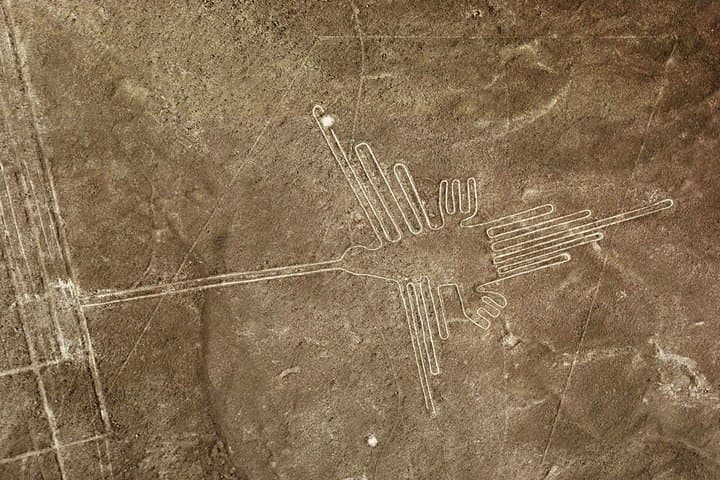
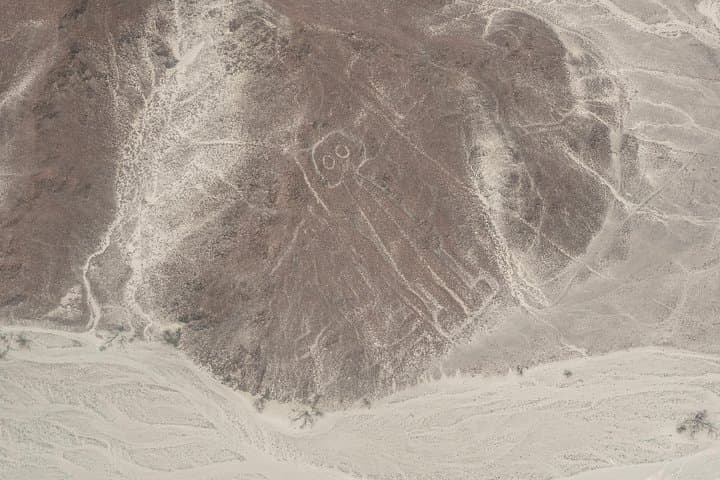
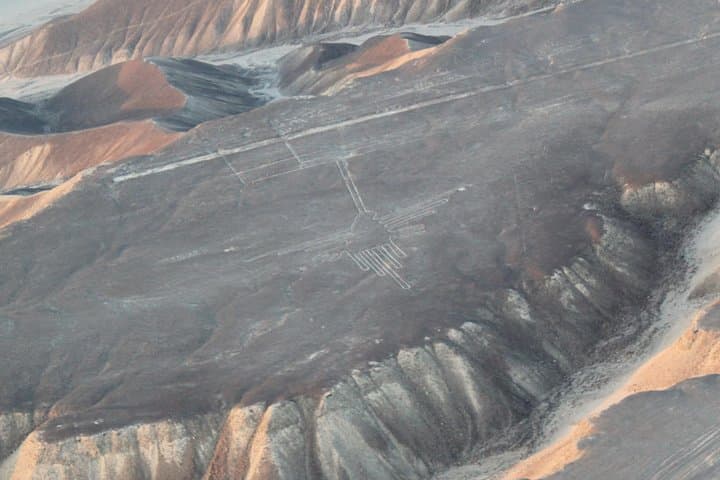
The Nasca geoglyphs sit on a high, dry plain that stretches more than 50 miles (80 km). Scholars date many figures to roughly 400–650 AD, made by the Nasca people using trenches and the desert’s stable crust. Geology is simple and brutal here: wind-swept silt and iron-rich soils preserve lines by contrast rather than depth. Culturally, the figures—monkey, hummingbird, condor, spider—align with solstices and ritual landscapes; the desert itself feels like an open calendar daring you to notice.
Practicalities matter: the overflight from Pisco lasts about 1.5 hours; yes, you’ll have time for multiple passes and photos. Bring a passport (required), anti-nausea meds if you’re prone to motion sickness, and a camera with a short telephoto. Flights are bumpy in the afternoon; mornings are usually calmer for clearer views. Children under eight are typically discouraged. The experience is less about speed and more about perspective—seeing human scale against a patient desert—and being prepared will make that view a lasting one.
easy.
11 hours (total, including drive and flight).
Light activity; suitable for most fitness levels though travel involves long vehicle time and boarding a small plane
The overflight portion is about 1.5 hours, typically allowing multiple passes over key geoglyphs for photos and views.
Yes—participants must present a current valid passport on the day of travel for airport and security procedures.
Overflights are generally not recommended for children under 8 due to aircraft constraints and safety recommendations from operators.
Expect roughly 3.5–4 hours each way along the Panamericana Sur highway to the Pisco/Nazca corridor, depending on traffic.
The Nasca people created many geoglyphs between roughly 400–650 AD; the low-contrast trench technique and dry climate helped preserve them, earning UNESCO status.
The lines are fragile—visitors are prohibited from walking on them; overflights minimize direct footprint but responsible tourism and regulated flight paths help protect the site.
VIPAC Travel operates guided outdoor trips and adventures with an emphasis on safety, stewardship, and memorable experiences.
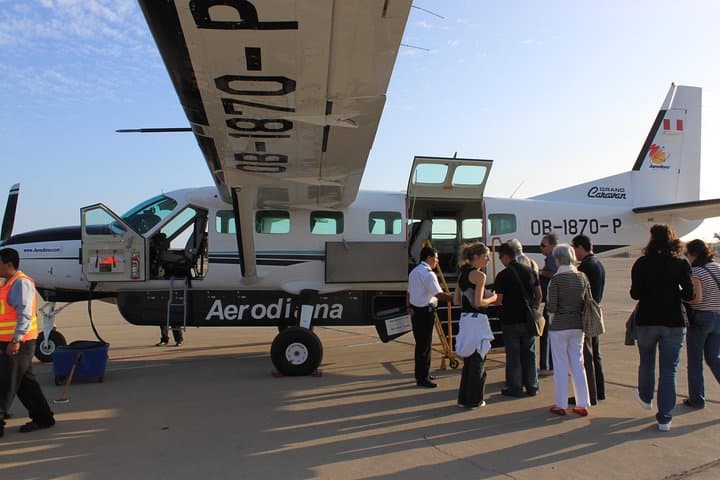
You step out of the van onto a hot, flat stretch of the southern Peruvian coast; the wind tastes faintly of salt and dust and the desert ahead seems to hold its lines with patient intent. After a 3.5–4 hour drive from Lima to the Pisco/Nazca corridor, a small Cessna waits—twelve seats, a nervous hum, and a promise: an aerial view of drawings cut into an arid plateau that refuse to be read from the ground.
You step out of the van onto a hot, flat stretch of the southern Peruvian coast; the wind tastes faintly of salt and dust and the desert ahead seems to hold its lines with patient intent. After a 3.5–4 hour drive from Lima to the Pisco/Nazca corridor, a small Cessna waits—twelve seats, a nervous hum, and a promise: an aerial view of drawings cut into an arid plateau that refuse to be read from the ground.
The Nasca geoglyphs sit on a high, dry plain that stretches more than 50 miles (80 km). Scholars date many figures to roughly 400–650 AD, made by the Nasca people using trenches and the desert’s stable crust. Geology is simple and brutal here: wind-swept silt and iron-rich soils preserve lines by contrast rather than depth. Culturally, the figures—monkey, hummingbird, condor, spider—align with solstices and ritual landscapes; the desert itself feels like an open calendar daring you to notice.
Practicalities matter: the overflight from Pisco lasts about 1.5 hours; yes, you’ll have time for multiple passes and photos. Bring a passport (required), anti-nausea meds if you’re prone to motion sickness, and a camera with a short telephoto. Flights are bumpy in the afternoon; mornings are usually calmer for clearer views. Children under eight are typically discouraged. The experience is less about speed and more about perspective—seeing human scale against a patient desert—and being prepared will make that view a lasting one.