THE ADVENTURE COLLECTIVE® · Independent discovery and booking for outdoor travel

See the Nazca Lines from the air then walk through the ancient Cantalloc aqueducts on a half-day excursion from Nazca. This combined flight-and-site visit pairs a 30‑minute overflight with an on-ground look at Nazca hydraulic engineering.
See the Nazca Lines from the air then walk through the ancient Cantalloc aqueducts on a half-day excursion from Nazca. This combined flight-and-site visit pairs a 30‑minute overflight with an on-ground look at Nazca hydraulic engineering.
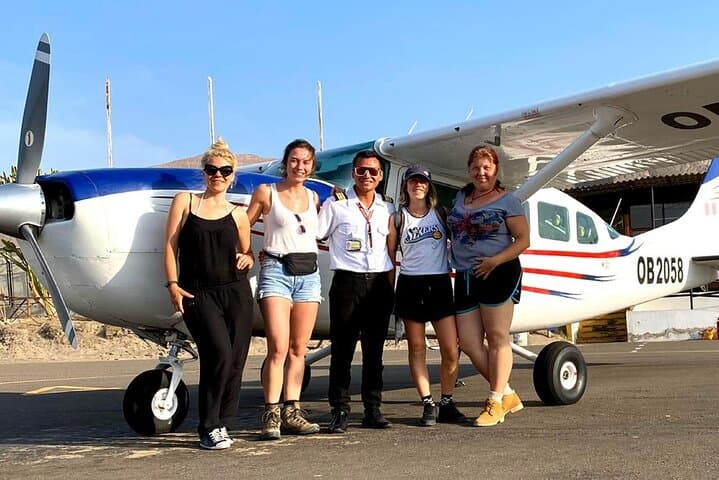
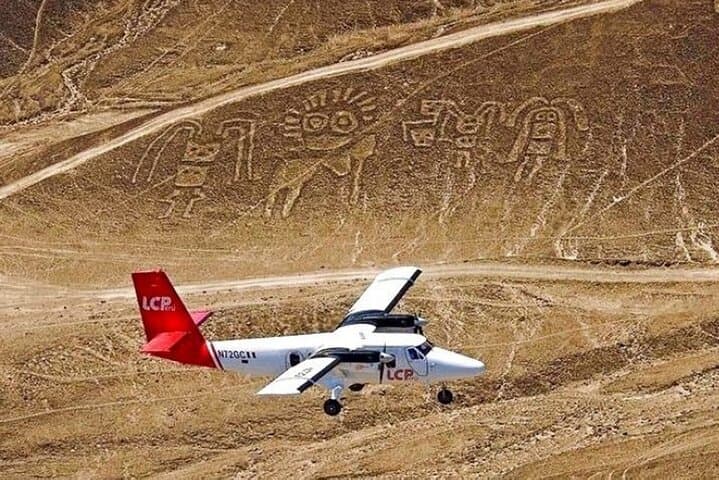
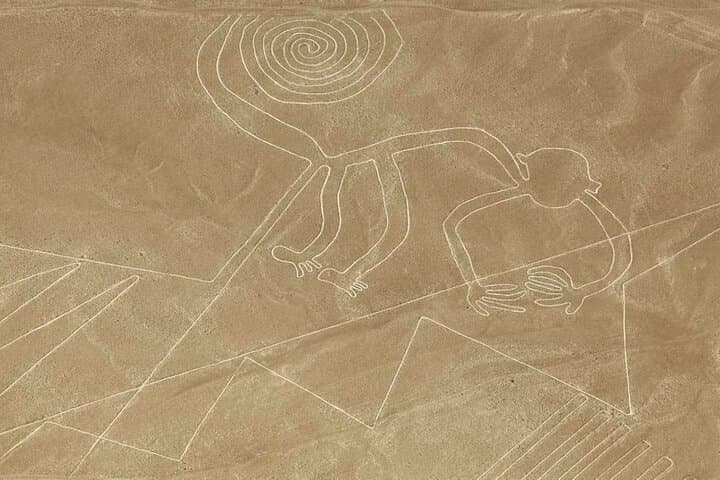
You taxi across a sunbaked apron, the light aircraft’s propeller ticking like a heartbeat as the desert opens beneath you. Within minutes the world drops away: sweeping pale plains etched with giant figures—monkeys, hummingbirds, spirals and straight lines that cut the sand like the ruler of an ancient surveyor. The pilot banks gently so the glyphs reveal themselves below in a sequence that feels choreographed.
Verified experiences and guided adventures in the surrounding area.
Operated by IZI PERU · Nazca, Ica
You taxi across a sunbaked apron, the light aircraft’s propeller ticking like a heartbeat as the desert opens beneath you. Within minutes the world drops away: sweeping pale plains etched with giant figures—monkeys, hummingbirds, spirals and straight lines that cut the sand like the ruler of an ancient surveyor. The pilot banks gently so the glyphs reveal themselves below in a sequence that feels choreographed.
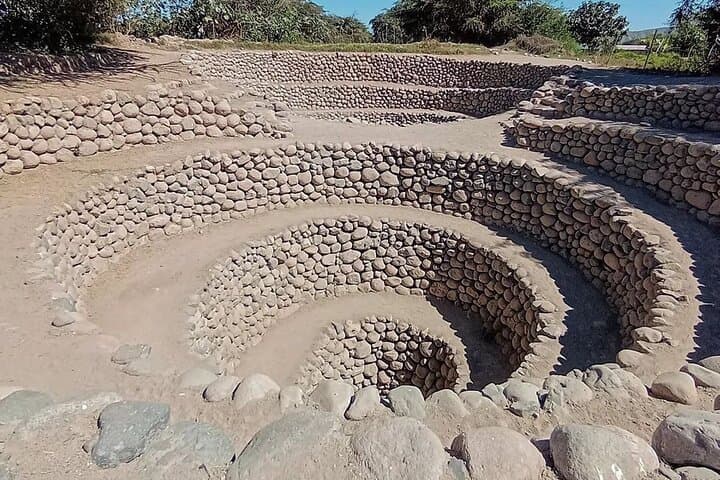
The Nazca Lines date from roughly 200 BCE–600 CE, scratched into a hyper-arid plain where wind and rain rarely disturb the stones. Geologically, the region is a gravelly coastal desert underlain by compacted sediment and a dark iron-rich stone crust; removing that varnish exposes lighter subsoil and creates the high-contrast figures seen from the air. After the overflight the tour continues to Cantalloc, a network of pre-Columbian underground aqueducts built around 300 CE, still channeling water through tapered stone-lined galleries—an example of engineered resilience in a dry landscape. Locals farm cotton, corn and potatoes nearby, a quiet reminder that these ancient systems still support life.
Practical guidance: the flight portion lasts about 30–35 minutes; expect a full-day booking (hotel pickup, wait times and transfers make the tour roughly six hours). Flights operate in shifts based on weather—mornings often give the calmest air. Bring sun protection, a light jacket for breeze at altitude, a camera with stabilisation and small bills for entrance fees or tips. Note the operation limits passenger weight and cannot accommodate wheelchairs. Arrive hydrated, expect short walks at Cantalloc, and allow extra time in Nazca for transfers or bus connections.
easy.
6 hours (including transfers & waiting).
Suitable for most fitness levels; involves short, flat walks at Cantalloc and getting in/out of a light aircraft
The overflight portion is approximately 30–35 minutes, arranged in a shift pattern; total tour time including transfers is about six hours.
No; access to the aircraft and some parts of the Cantalloc site require steps and uneven ground, so wheelchair access is not possible.
Operators typically refund or rebook; the tour notes a partial refund policy for bad weather—confirm specific terms at booking.
Yes. The operator enforces a maximum single-passenger weight (around 100 kg); passengers over that limit may need to purchase an additional seat—notify the operator when booking.
The Nazca civilization produced the lines and developed sophisticated underground aqueducts (puquios) around 300 CE to irrigate arid land; Cantalloc is one of the best-preserved examples.
The lines are vulnerable to human activity and vehicle traffic; visitors should avoid leaving designated paths and support local conservation efforts to protect the fragile desert crust.
IZI PERU operates guided outdoor trips and adventures with an emphasis on safety, stewardship, and memorable experiences.
You taxi across a sunbaked apron, the light aircraft’s propeller ticking like a heartbeat as the desert opens beneath you. Within minutes the world drops away: sweeping pale plains etched with giant figures—monkeys, hummingbirds, spirals and straight lines that cut the sand like the ruler of an ancient surveyor. The pilot banks gently so the glyphs reveal themselves below in a sequence that feels choreographed.
You taxi across a sunbaked apron, the light aircraft’s propeller ticking like a heartbeat as the desert opens beneath you. Within minutes the world drops away: sweeping pale plains etched with giant figures—monkeys, hummingbirds, spirals and straight lines that cut the sand like the ruler of an ancient surveyor. The pilot banks gently so the glyphs reveal themselves below in a sequence that feels choreographed.
The Nazca Lines date from roughly 200 BCE–600 CE, scratched into a hyper-arid plain where wind and rain rarely disturb the stones. Geologically, the region is a gravelly coastal desert underlain by compacted sediment and a dark iron-rich stone crust; removing that varnish exposes lighter subsoil and creates the high-contrast figures seen from the air. After the overflight the tour continues to Cantalloc, a network of pre-Columbian underground aqueducts built around 300 CE, still channeling water through tapered stone-lined galleries—an example of engineered resilience in a dry landscape. Locals farm cotton, corn and potatoes nearby, a quiet reminder that these ancient systems still support life.
Practical guidance: the flight portion lasts about 30–35 minutes; expect a full-day booking (hotel pickup, wait times and transfers make the tour roughly six hours). Flights operate in shifts based on weather—mornings often give the calmest air. Bring sun protection, a light jacket for breeze at altitude, a camera with stabilisation and small bills for entrance fees or tips. Note the operation limits passenger weight and cannot accommodate wheelchairs. Arrive hydrated, expect short walks at Cantalloc, and allow extra time in Nazca for transfers or bus connections.