THE ADVENTURE COLLECTIVE® · Independent discovery and booking for outdoor travel

Walk the dry pampas and stand above ancient geoglyphs on a full-day Nazca land archaeological tour. Visit the Maria Reiche House, a Nazca viewpoint, ceramics displays and Inca waterworks while learning the practical history behind the lines.
Walk the dry pampas and stand above ancient geoglyphs on a full-day Nazca land archaeological tour. Visit the Maria Reiche House, a Nazca viewpoint, ceramics displays and Inca waterworks while learning the practical history behind the lines.
Stepping out of the van onto the ochre pampas, the wind pulls at your hat and the Nazca desert stretches flat and stubborn to the horizon. The tour moves at the rhythm of the lines: short stops, long silences, and sudden panoramas where human-scale lines resolve into animal shapes only visible from a rise.
Verified experiences and guided adventures in the surrounding area.
Operated by CITY SUR TRAVELS · Nazca, Ica
Stepping out of the van onto the ochre pampas, the wind pulls at your hat and the Nazca desert stretches flat and stubborn to the horizon. The tour moves at the rhythm of the lines: short stops, long silences, and sudden panoramas where human-scale lines resolve into animal shapes only visible from a rise.
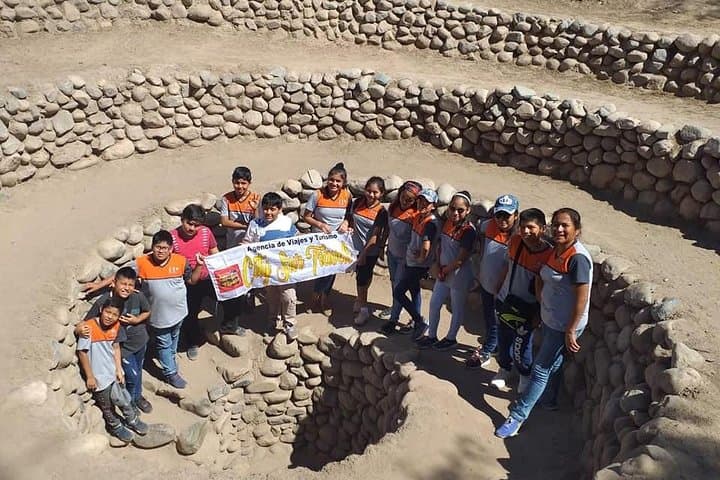
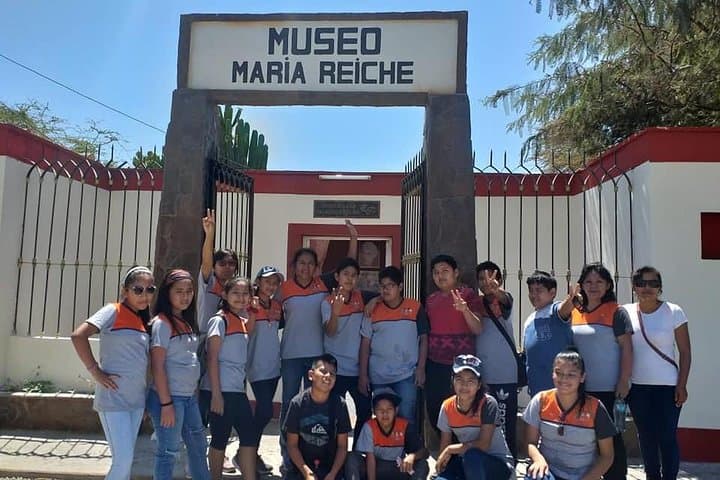
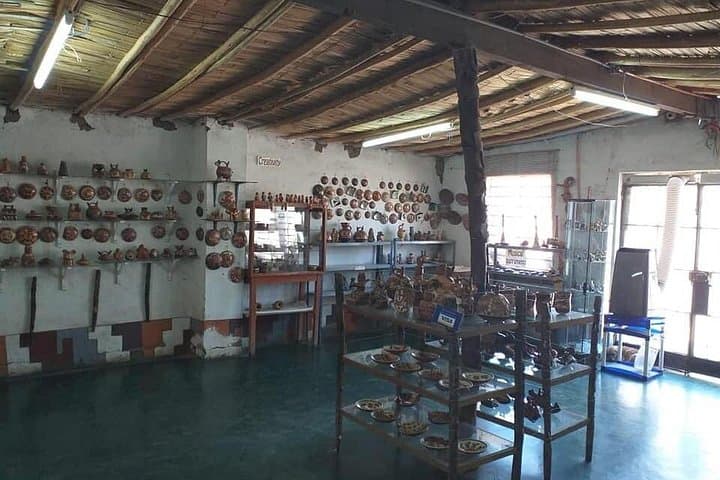
You begin with the Maria Reiche House museum — a compact primer on the German scholar who spent decades mapping and preserving the geoglyphs — then continue to a purpose-built viewpoint that reveals four classic figures etched into desert varnish. Along the route you'll encounter ceramic fragments, evidence of Nazca craft, and Inca-era waterworks that speak to ingenious desert hydrology.
Geologically, this is a wind-polished coastal desert of gravel and compacted silt; aridity preserved the lines. Culturally, the landscape is layered: pre-Nazca, Nazca, and later Inca interventions, each leaving practical traces — tombs, aqueducts, administrative centers — not just art.
Practical edge: this is an all-day, ground-based excursion (about 8–9 hours). Expect dusty roads, short walks between viewpoints, and sun that bites even when the wind is cool. Bring sun protection, at least 2 liters of water, and closed shoes for uneven surfaces. Photography is excellent from the platforms but drone use is restricted around protected sites. The tour’s steady pace and included transport make it accessible to most travelers with moderate fitness, offering an efficient, informative way to see the Nazca Lines without an aerial flight.
moderate.
8–9 hours.
Moderate; able to manage several short walks and spend long hours outdoors in sun and wind.
The itinerary runs about 8–9 hours (510 minutes) and typically includes multiple stops with transport between sites.
No — this is a terrestrial tour offering viewpoints and museum visits; aerial tours are separate and operated independently.
Yes if they have moderate fitness; infants may need to sit on laps and the tour is not recommended for travelers with serious spinal, heart, or pregnancy-related restrictions.
Drone use is restricted near protected geoglyphs; check local regulations and follow the guide’s instructions to avoid fines and site damage.
The Nazca Lines were created by the Nazca culture (roughly 200 BCE–600 CE); Maria Reiche, a 20th-century researcher, helped map and advocate for their protection.
The lines are fragile; stay on viewpoints and follow guide rules. Urban development and traffic have posed threats, so conservation and regulated access are ongoing priorities.
CITY SUR TRAVELS operates guided outdoor trips and adventures with an emphasis on safety, stewardship, and memorable experiences.
Stepping out of the van onto the ochre pampas, the wind pulls at your hat and the Nazca desert stretches flat and stubborn to the horizon. The tour moves at the rhythm of the lines: short stops, long silences, and sudden panoramas where human-scale lines resolve into animal shapes only visible from a rise.
Stepping out of the van onto the ochre pampas, the wind pulls at your hat and the Nazca desert stretches flat and stubborn to the horizon. The tour moves at the rhythm of the lines: short stops, long silences, and sudden panoramas where human-scale lines resolve into animal shapes only visible from a rise.
You begin with the Maria Reiche House museum — a compact primer on the German scholar who spent decades mapping and preserving the geoglyphs — then continue to a purpose-built viewpoint that reveals four classic figures etched into desert varnish. Along the route you'll encounter ceramic fragments, evidence of Nazca craft, and Inca-era waterworks that speak to ingenious desert hydrology.
Geologically, this is a wind-polished coastal desert of gravel and compacted silt; aridity preserved the lines. Culturally, the landscape is layered: pre-Nazca, Nazca, and later Inca interventions, each leaving practical traces — tombs, aqueducts, administrative centers — not just art.
Practical edge: this is an all-day, ground-based excursion (about 8–9 hours). Expect dusty roads, short walks between viewpoints, and sun that bites even when the wind is cool. Bring sun protection, at least 2 liters of water, and closed shoes for uneven surfaces. Photography is excellent from the platforms but drone use is restricted around protected sites. The tour’s steady pace and included transport make it accessible to most travelers with moderate fitness, offering an efficient, informative way to see the Nazca Lines without an aerial flight.