THE ADVENTURE COLLECTIVE® · Independent discovery and booking for outdoor travel

Ten minutes from Quito, Nayón Xtreme Valley compresses a morning of zip lines, rappels, a Tarzan swing and high ropes into a focused half‑day of engineered thrills. Guides supply the gear and the know‑how—bring solid shoes and respect the altitude.
Ten minutes from Quito, Nayón Xtreme Valley compresses a morning of zip lines, rappels, a Tarzan swing and high ropes into a focused half‑day of engineered thrills. Guides supply the gear and the know‑how—bring solid shoes and respect the altitude.
You leave Quito's urban grid for a narrow ribbon of road that climbs into foothills, and within ten minutes the city noise thins into the click of harness buckles and the wind through eucalyptus. At Nayón Xtreme Valley an open clearing cuts through secondary cloud forest; platforms and steel cables puncture the canopy and a Tarzan swing waits like a dare. Guides fit helmets, check carabiners, and walk you through each element with a steady, professional calm—this half-day tour moves with the clipped efficiency of a practiced crew.
Verified experiences and guided adventures in the surrounding area.
Operated by Latin Adventures Cía Ltda · Quito, Pichincha
You leave Quito's urban grid for a narrow ribbon of road that climbs into foothills, and within ten minutes the city noise thins into the click of harness buckles and the wind through eucalyptus. At Nayón Xtreme Valley an open clearing cuts through secondary cloud forest; platforms and steel cables puncture the canopy and a Tarzan swing waits like a dare. Guides fit helmets, check carabiners, and walk you through each element with a steady, professional calm—this half-day tour moves with the clipped efficiency of a practiced crew.
The valley itself occupies the eastern slopes of the Pichincha range, a geological seam where volcanic deposits meet uplifted Andean rock. The soil here is young and erodible, which is part of why the park's designers favor bolted platforms and tensioned cables rather than heavy earthworks. Historically Nayón evolved from agricultural hamlets into a commuter parish as Quito expanded east; now small adventure operators use the natural slope and frequent thermals to stage canopy runs and high-rope elements.
Culturally, the trip is as much Quito-adjacent as it is outdoorsy. On the drive you pass small market stalls selling mote and empanadas, and guides often pepper briefings with local geography—where the old haciendas once stood, and which ridge offers the best lookout to see Cotopaxi on a clear day. The experience is engineered for adrenaline, but it’s anchored in place: the ropes course threads through native trees and the rappel stations drop onto grassy clearings with mountain views.
Practically: the tour is five hours door-to-door, with about two to three hours of active time on courses, lines, and swings. You will be operating at Quito elevation—roughly 2,800–3,000 meters—so expect your heart rate to spike more quickly than at sea level. Guides supply helmets, harnesses, and bottled water; paintball, dirt jump, and other options are available depending on the package you choose.
If you go, wear sturdy closed-toe shoes with good tread, bring a light wind layer, and hydrate early—the altitude affects performance more than the exertion. Mornings bring clearer skies and stiffer thermals; afternoons can cloud over quickly. For first-timers, focus on technique the guides teach for foot placement and controlled rappelling: the drop is deliberate, and a calm descent is faster and safer. For those chasing photos, ask for a moment at the highest platform—the valley frames Quito and the eastern ridgeline, giving a compressed, cinematic perspective.
This trip is less a wild backcountry expedition than a carefully run string of engineered thrills, ideal for travelers who want concentrated adrenaline without a full-day commitment. It’s a brisk, social half-day that puts you in contact with Ecuador’s highland geography and local pace of life, then returns you to the city with a few good stories and a healthy appetite for more adventure.
moderate.
4–5 hours.
Good baseline fitness for short bursts of exertion and the ability to handle heights; not technically demanding but expect stair and slope climbs.
The park is about a 10–20 minute drive east of central Quito depending on traffic; pickup from most Quito hotels is included.
No prior experience is necessary—professional guides provide instruction, safety briefings, and full gear for all participants.
Children must be accompanied by an adult and participants with back problems, pregnancy, or serious heart conditions are advised not to participate.
The operator may cancel in heavy rain or unsafe conditions—booking terms allow a full refund if canceled at least 24 hours prior for bad weather.
The supplier lists wheelchair-accessible surfaces for some areas, but active elements like zip lines and swings require mobility—check with the operator for specific accommodations.
Yes—roundtrip hotel pickup and drop-off in Quito is included; hotels outside the city may incur an extra charge.
Nayón grew from small agricultural estates into an eastern parish of Quito as the city expanded in the 20th century; adventure operators now use its steep slopes and accessible distance to stage activities.
Operators work around secondary forest pockets and use bolted platforms to limit ground disturbance; guests are encouraged to stay on designated paths and avoid feeding wildlife.
Latin Adventures Cía Ltda operates guided outdoor trips and adventures with an emphasis on safety, stewardship, and memorable experiences.
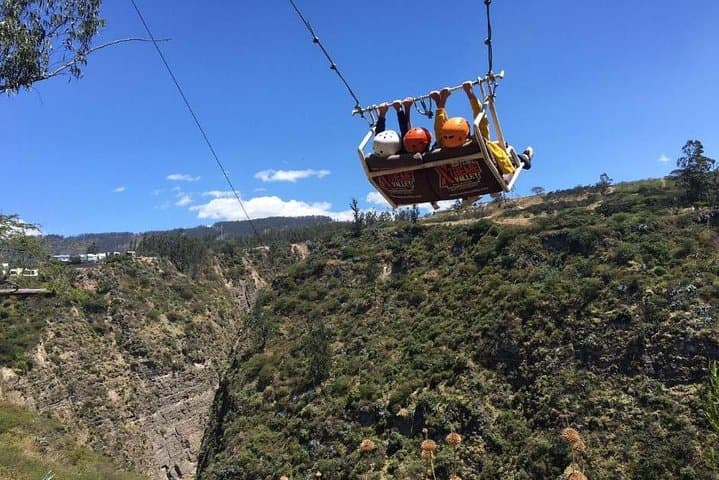
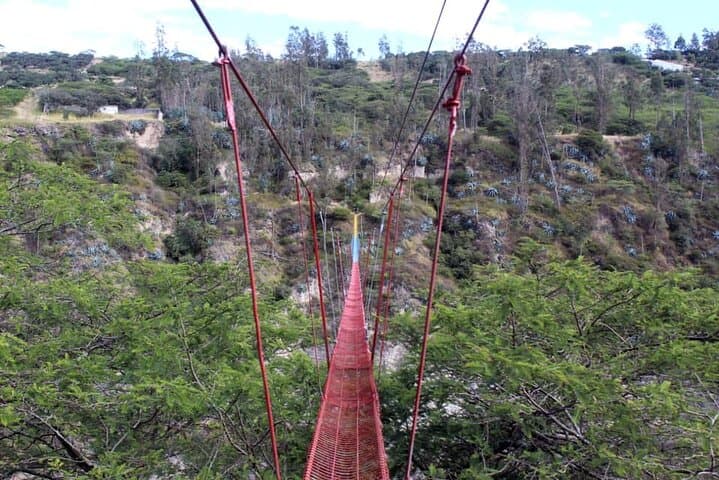
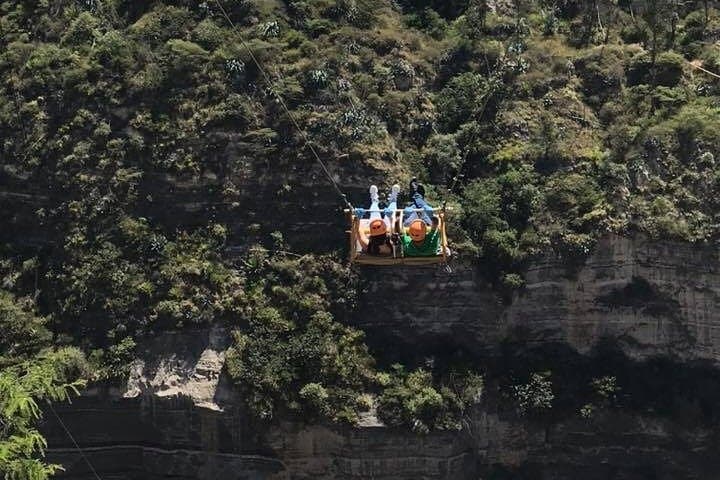
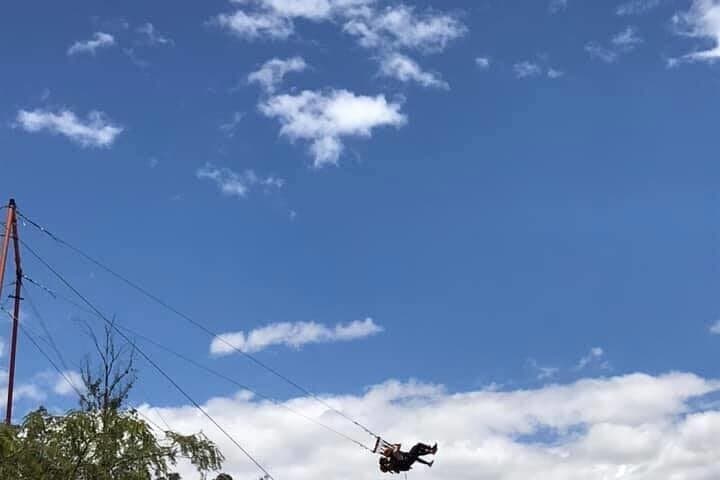
You leave Quito's urban grid for a narrow ribbon of road that climbs into foothills, and within ten minutes the city noise thins into the click of harness buckles and the wind through eucalyptus. At Nayón Xtreme Valley an open clearing cuts through secondary cloud forest; platforms and steel cables puncture the canopy and a Tarzan swing waits like a dare. Guides fit helmets, check carabiners, and walk you through each element with a steady, professional calm—this half-day tour moves with the clipped efficiency of a practiced crew.
You leave Quito's urban grid for a narrow ribbon of road that climbs into foothills, and within ten minutes the city noise thins into the click of harness buckles and the wind through eucalyptus. At Nayón Xtreme Valley an open clearing cuts through secondary cloud forest; platforms and steel cables puncture the canopy and a Tarzan swing waits like a dare. Guides fit helmets, check carabiners, and walk you through each element with a steady, professional calm—this half-day tour moves with the clipped efficiency of a practiced crew.
The valley itself occupies the eastern slopes of the Pichincha range, a geological seam where volcanic deposits meet uplifted Andean rock. The soil here is young and erodible, which is part of why the park's designers favor bolted platforms and tensioned cables rather than heavy earthworks. Historically Nayón evolved from agricultural hamlets into a commuter parish as Quito expanded east; now small adventure operators use the natural slope and frequent thermals to stage canopy runs and high-rope elements.
Culturally, the trip is as much Quito-adjacent as it is outdoorsy. On the drive you pass small market stalls selling mote and empanadas, and guides often pepper briefings with local geography—where the old haciendas once stood, and which ridge offers the best lookout to see Cotopaxi on a clear day. The experience is engineered for adrenaline, but it’s anchored in place: the ropes course threads through native trees and the rappel stations drop onto grassy clearings with mountain views.
Practically: the tour is five hours door-to-door, with about two to three hours of active time on courses, lines, and swings. You will be operating at Quito elevation—roughly 2,800–3,000 meters—so expect your heart rate to spike more quickly than at sea level. Guides supply helmets, harnesses, and bottled water; paintball, dirt jump, and other options are available depending on the package you choose.
If you go, wear sturdy closed-toe shoes with good tread, bring a light wind layer, and hydrate early—the altitude affects performance more than the exertion. Mornings bring clearer skies and stiffer thermals; afternoons can cloud over quickly. For first-timers, focus on technique the guides teach for foot placement and controlled rappelling: the drop is deliberate, and a calm descent is faster and safer. For those chasing photos, ask for a moment at the highest platform—the valley frames Quito and the eastern ridgeline, giving a compressed, cinematic perspective.
This trip is less a wild backcountry expedition than a carefully run string of engineered thrills, ideal for travelers who want concentrated adrenaline without a full-day commitment. It’s a brisk, social half-day that puts you in contact with Ecuador’s highland geography and local pace of life, then returns you to the city with a few good stories and a healthy appetite for more adventure.