THE ADVENTURE COLLECTIVE® · Independent discovery and booking for outdoor travel

Master the NYC subway, buses and key neighborhoods in a focused 2½-hour private session. Learn practical navigation skills, efficient routes, and local insights to move through Manhattan like a resident.
Master the NYC subway, buses and key neighborhoods in a focused 2½-hour private session. Learn practical navigation skills, efficient routes, and local insights to move through Manhattan like a resident.
You step out at Bryant Park fountain, city noise folding into a steady rhythm: cabs, chatter, the distant rumble of a train. The guide hands you a subway map and, in fifteen brisk minutes, the grid of streets and routes stops feeling like a puzzle and starts to feel like a route to discovery.
Verified experiences and guided adventures in the surrounding area.
Operated by Ann McDermott · New York, New York
You step out at Bryant Park fountain, city noise folding into a steady rhythm: cabs, chatter, the distant rumble of a train. The guide hands you a subway map and, in fifteen brisk minutes, the grid of streets and routes stops feeling like a puzzle and starts to feel like a route to discovery.
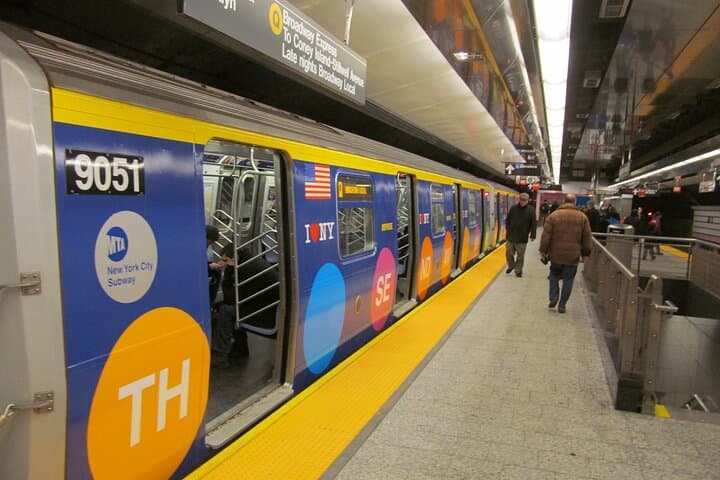
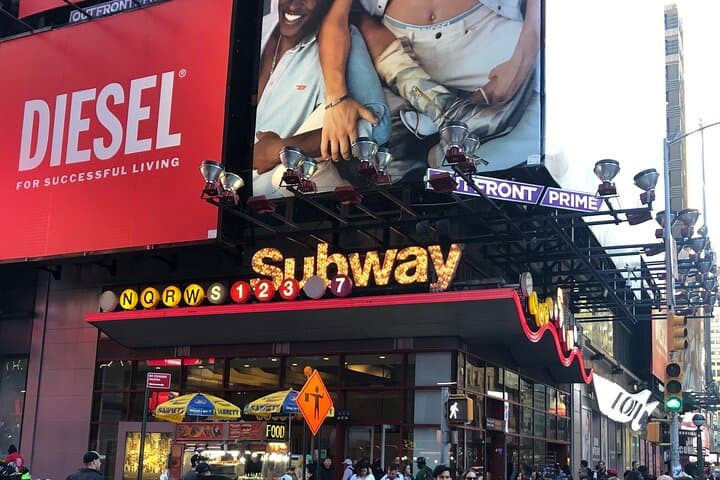
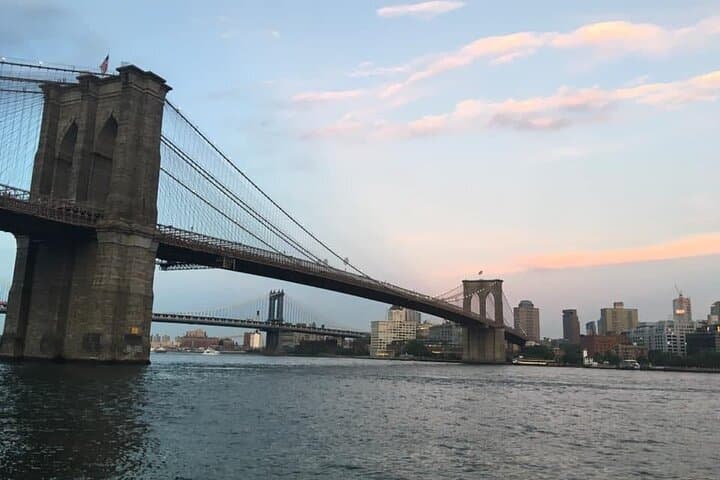
This 2½-hour private walking-and-transit tutorial threads Midtown’s civic hubs—Rockefeller Center and Grand Central—through Times Square’s controlled chaos, then shows practical routes to Downtown’s Wall Street, the Brooklyn Bridge, and the Staten Island Ferry. The subway itself is an artifact: New York’s first line opened in 1904 and the system shaped the city’s growth, channeling neighborhoods and commerce. The tour pairs this civic history with everyday hacks—when to take the local vs. express, which ferry docks give the best Statue of Liberty sightlines, and how to read station signs.
Geology gives way to engineering here: Manhattan’s bedrock dictated where skyscrapers rise and where trains tunnel. Culture appears in hurried doorways, deli counters and mosaic station tiles; learn which neighborhood personalities to expect midweek versus weekend.
Practical guidance is integral: wear broken-in shoes, use a contactless card or OMNY for faster entry, and allow extra time during rush hours. The guide adapts the itinerary to your interests—food, finance, architecture—so you walk away with both confidence and a realistic plan for exploring more of the city on your own.
easy.
2–3 hours.
Suitable for most fitness levels; expect steady walking and stair use in stations.
No—the tour teaches how to use the subway and ferry, but riders pay their own fares via OMNY or MetroCard.
Yes—the meeting point and many routes are wheelchair-accessible; notify the guide at booking to plan accessible routing.
Guides typically cover Midtown, Times Square, Rockefeller, Grand Central, Wall Street, Brooklyn Bridge, or Staten Island Ferry routes and will tailor stops to your interests.
Absolutely—this tour is designed to build confidence navigating transit, reading maps, and planning time-efficient visits.
The modern NYC subway began service in 1904 and has been central to Manhattan’s growth; transit routes guided residential and commercial density for over a century.
Travelers are encouraged to minimize litter in stations and parks, use refillable water bottles, and respect local businesses to reduce tourism strain.
Ann McDermott operates guided outdoor trips and adventures with an emphasis on safety, stewardship, and memorable experiences.

You step out at Bryant Park fountain, city noise folding into a steady rhythm: cabs, chatter, the distant rumble of a train. The guide hands you a subway map and, in fifteen brisk minutes, the grid of streets and routes stops feeling like a puzzle and starts to feel like a route to discovery.
You step out at Bryant Park fountain, city noise folding into a steady rhythm: cabs, chatter, the distant rumble of a train. The guide hands you a subway map and, in fifteen brisk minutes, the grid of streets and routes stops feeling like a puzzle and starts to feel like a route to discovery.
This 2½-hour private walking-and-transit tutorial threads Midtown’s civic hubs—Rockefeller Center and Grand Central—through Times Square’s controlled chaos, then shows practical routes to Downtown’s Wall Street, the Brooklyn Bridge, and the Staten Island Ferry. The subway itself is an artifact: New York’s first line opened in 1904 and the system shaped the city’s growth, channeling neighborhoods and commerce. The tour pairs this civic history with everyday hacks—when to take the local vs. express, which ferry docks give the best Statue of Liberty sightlines, and how to read station signs.
Geology gives way to engineering here: Manhattan’s bedrock dictated where skyscrapers rise and where trains tunnel. Culture appears in hurried doorways, deli counters and mosaic station tiles; learn which neighborhood personalities to expect midweek versus weekend.
Practical guidance is integral: wear broken-in shoes, use a contactless card or OMNY for faster entry, and allow extra time during rush hours. The guide adapts the itinerary to your interests—food, finance, architecture—so you walk away with both confidence and a realistic plan for exploring more of the city on your own.