THE ADVENTURE COLLECTIVE® · Independent discovery and booking for outdoor travel

Wander the old medina with a guide who knows where the genuine crafts live. This VIP half-day tour steers you past tourist traps, teaches haggle tactics, and opens doors to authentic workshops and spice stalls.
Wander the old medina with a guide who knows where the genuine crafts live. This VIP half-day tour steers you past tourist traps, teaches haggle tactics, and opens doors to authentic workshops and spice stalls.
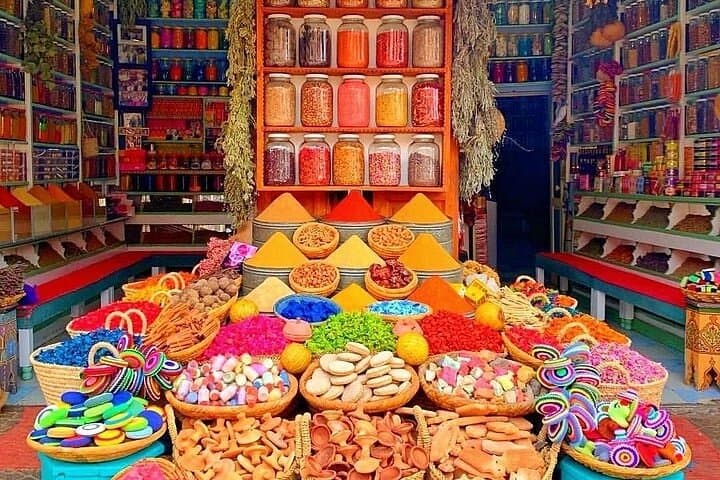
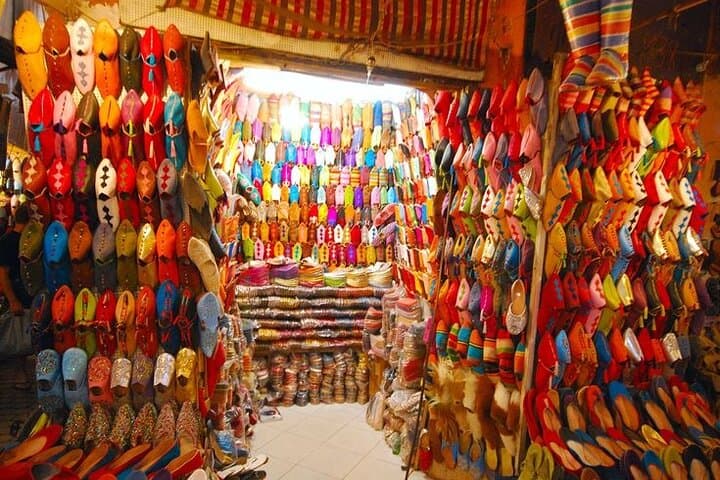
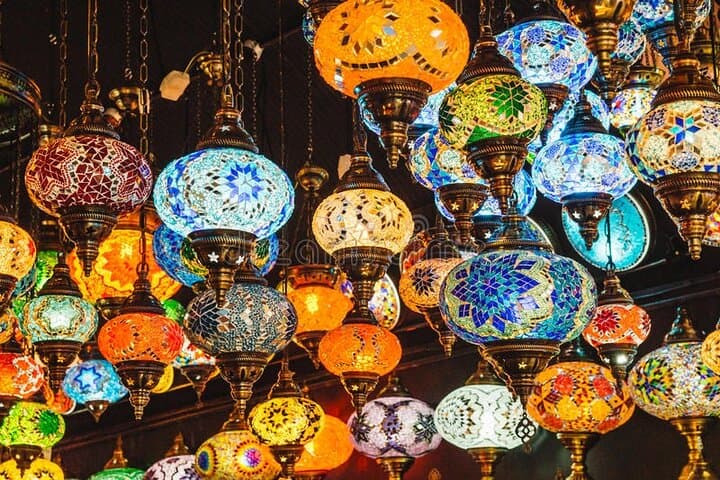
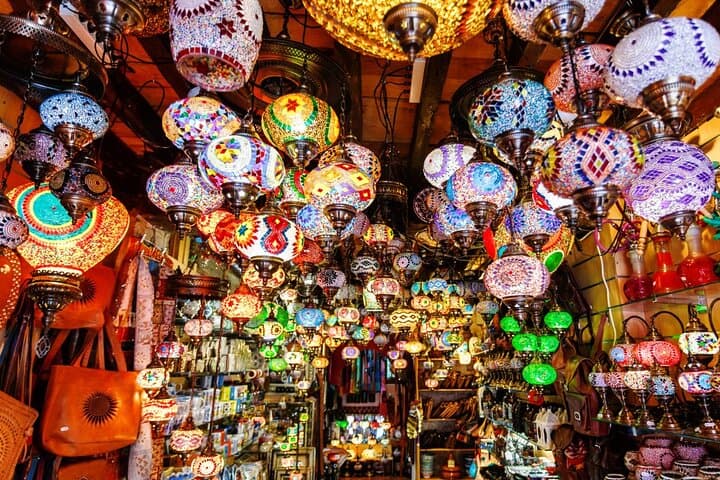
You step from the shaded riad courtyard into heat and color—the medina unfurls in alleys no wider than an arm span, stalls stacked with spices like ochre paint, brass lanterns glimpsing the sun, and rugs folded like stories waiting to be opened.
Verified experiences and guided adventures in the surrounding area.
Operated by Jemaa el-Fnaa · Marrakech, Marrakech-Safi
You step from the shaded riad courtyard into heat and color—the medina unfurls in alleys no wider than an arm span, stalls stacked with spices like ochre paint, brass lanterns glimpsing the sun, and rugs folded like stories waiting to be opened.
The souks grew around Marrakech’s central square a thousand years ago; the city’s red-earth walls—built from rammed clay—frame a commercial pattern shaped by Berber caravans and Andalusian craftsmen. Geology shows in the reddish soils that give Marrakech its nickname, while cultural layers reveal Arab, Berber, and French influences in the objects sold and the rhythms of bargaining.
On a VIP half-day you move with a guide who knows which workshops still hand-knot carpets, which tanneries use traditional pits, and which spice sellers will grind a sample to order. Expect close quarters, a steady flow of people, and artisans demonstrating techniques passed down generations. Conversation, not confrontation, is the currency of a good haggle: start lower, smile, and allow room for the vendor to counter.
Practicalities matter—carry Moroccan dirhams in small notes, keep valuables secure, and pace yourself with water and sunscreen. Wheelchair access exists in many stall clusters, but alley surfaces vary from smooth flagstone to uneven cobbles. Photography is fine at most stalls; ask before shooting people. Plan mornings for cooler temperatures and clearer light; late afternoons bring warmer hues on the red walls and fewer crowds. This tour pairs sensory intensity with practical local knowledge—an efficient route through a labyrinth that rewards attention and curiosity.
easy.
3–4 hours.
Suitable for most fitness levels; expect several hours of standing and slow walking with short, frequent stops.
Yes—haggling is part of the shopping culture; guides will brief you on polite negotiation techniques and local price ranges.
No—goods are bought separately; the guide can recommend trustworthy shops but you pay vendors directly.
Many areas and transport options are wheelchair accessible, but alley surfaces can vary; confirm accessibility needs at booking.
The private tour lasts about four hours; morning departures are common to avoid afternoon heat and crowds.
Marrakech was founded in the 11th century by the Almoravid dynasty; the medina evolved as a trade hub connecting Saharan caravans to Mediterranean routes.
Support local craft by choosing ethically made goods, avoid products from endangered species, and minimize single-use plastics while exploring the souks.
Jemaa el-Fnaa operates guided outdoor trips and adventures with an emphasis on safety, stewardship, and memorable experiences.
You step from the shaded riad courtyard into heat and color—the medina unfurls in alleys no wider than an arm span, stalls stacked with spices like ochre paint, brass lanterns glimpsing the sun, and rugs folded like stories waiting to be opened.
You step from the shaded riad courtyard into heat and color—the medina unfurls in alleys no wider than an arm span, stalls stacked with spices like ochre paint, brass lanterns glimpsing the sun, and rugs folded like stories waiting to be opened.
The souks grew around Marrakech’s central square a thousand years ago; the city’s red-earth walls—built from rammed clay—frame a commercial pattern shaped by Berber caravans and Andalusian craftsmen. Geology shows in the reddish soils that give Marrakech its nickname, while cultural layers reveal Arab, Berber, and French influences in the objects sold and the rhythms of bargaining.
On a VIP half-day you move with a guide who knows which workshops still hand-knot carpets, which tanneries use traditional pits, and which spice sellers will grind a sample to order. Expect close quarters, a steady flow of people, and artisans demonstrating techniques passed down generations. Conversation, not confrontation, is the currency of a good haggle: start lower, smile, and allow room for the vendor to counter.
Practicalities matter—carry Moroccan dirhams in small notes, keep valuables secure, and pace yourself with water and sunscreen. Wheelchair access exists in many stall clusters, but alley surfaces vary from smooth flagstone to uneven cobbles. Photography is fine at most stalls; ask before shooting people. Plan mornings for cooler temperatures and clearer light; late afternoons bring warmer hues on the red walls and fewer crowds. This tour pairs sensory intensity with practical local knowledge—an efficient route through a labyrinth that rewards attention and curiosity.