THE ADVENTURE COLLECTIVE® · Independent discovery and booking for outdoor travel

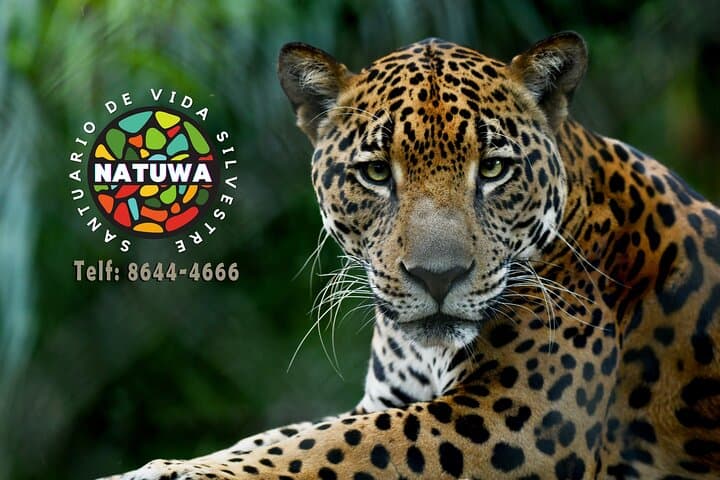
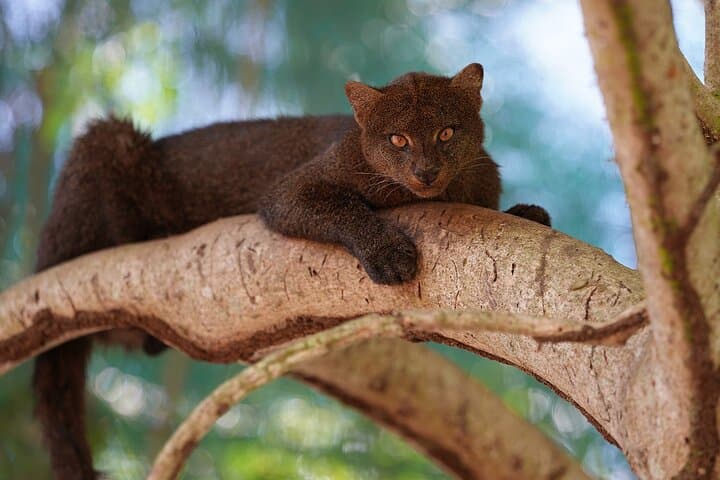
Experience close-up encounters with jaguars, sloths and macaws at Natuwa Sanctuary, a conservation-focused site in Puntarenas. This two-hour guided tour combines wildlife viewing with practical lessons in responsible ecotourism.
Experience close-up encounters with jaguars, sloths and macaws at Natuwa Sanctuary, a conservation-focused site in Puntarenas. This two-hour guided tour combines wildlife viewing with practical lessons in responsible ecotourism.
You step off the shaded path and the jungle answers: macaws scream above, leaves brush like curious hands, and a guide’s whisper steers you toward a clearing where a sloth blinks slowly at the world. Natuwa’s trails are compact but dense—humid air, dark leaf mulch underfoot, and the low, patient presence of animals used to careful human visitors.
Verified experiences and guided adventures in the surrounding area.
Operated by Natuwa Wildlife Sanctuary · Puntarenas, Puntarenas
You step off the shaded path and the jungle answers: macaws scream above, leaves brush like curious hands, and a guide’s whisper steers you toward a clearing where a sloth blinks slowly at the world. Natuwa’s trails are compact but dense—humid air, dark leaf mulch underfoot, and the low, patient presence of animals used to careful human visitors.
The sanctuary grew from local conservation efforts in Puntarenas province to protect species under pressure from deforestation and hunting. Geologically the region is young—volcanic soils and steep coastal ranges feed the rainforest’s fertility—while culturally the site reflects Costa Rica’s long-standing commitment to biodiversity protection and community-based ecotourism.
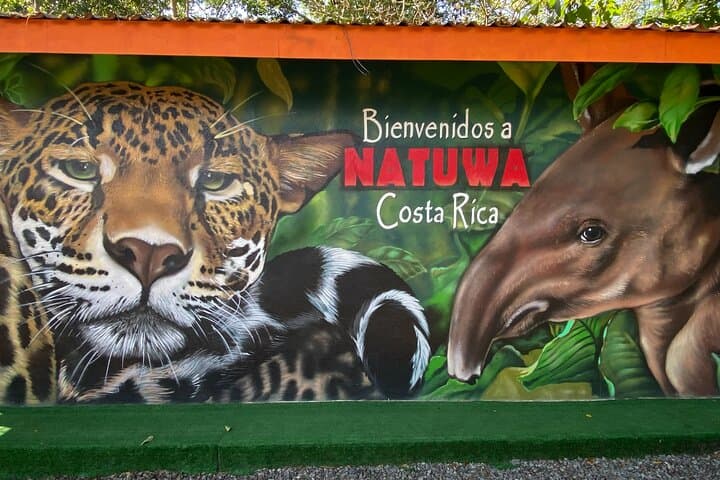
Guides here pair natural history with practical conservation lessons: you’ll learn how corridors connect jaguar populations, why tapirs (dantas) are ecosystem engineers, and what responsible viewing looks like. The sanctuary focuses on low-impact interaction—observational hides, timed visits, and talks about minimizing stress on animals.
Practical guidance: tours run about two hours, suitable for most visitors and wheelchair-accessible in major areas; bottled water is included and mobile tickets accepted. Expect uneven soils and occasional mud—closed-toe shoes and a light rain shell are smart. Peak wildlife activity crests at dawn and late afternoon, so book early if you want the liveliest sightings. Photography is welcome but avoid flash near sensitive animals. Finally, treat sightings as privileged observations: keep voices low, follow your guide, and know that your fee supports on-the-ground protection.
easy.
2 hours.
Suitable for almost all fitness levels; some standing and short walks on uneven ground.
The standard visit is about two hours, combining guided walks and interpretive talks.
Yes—stroller access and infant seats are available; infants must sit on an adult’s lap.
Sightings cannot be guaranteed; guides increase chances through timing and local knowledge, but wildlife is free-roaming and unpredictable.
Major areas and surfaces are wheelchair-accessible, and the tour is designed for low physical demand.
The sanctuary developed from regional conservation initiatives to rescue and rehabilitate threatened neotropical species while engaging local communities in sustainable tourism.
Operations prioritize low-impact visits, habitat restoration and education; fees and donations support on-the-ground protection and animal care.
Natuwa Wildlife Sanctuary operates guided outdoor trips and adventures with an emphasis on safety, stewardship, and memorable experiences.
You step off the shaded path and the jungle answers: macaws scream above, leaves brush like curious hands, and a guide’s whisper steers you toward a clearing where a sloth blinks slowly at the world. Natuwa’s trails are compact but dense—humid air, dark leaf mulch underfoot, and the low, patient presence of animals used to careful human visitors.
You step off the shaded path and the jungle answers: macaws scream above, leaves brush like curious hands, and a guide’s whisper steers you toward a clearing where a sloth blinks slowly at the world. Natuwa’s trails are compact but dense—humid air, dark leaf mulch underfoot, and the low, patient presence of animals used to careful human visitors.
The sanctuary grew from local conservation efforts in Puntarenas province to protect species under pressure from deforestation and hunting. Geologically the region is young—volcanic soils and steep coastal ranges feed the rainforest’s fertility—while culturally the site reflects Costa Rica’s long-standing commitment to biodiversity protection and community-based ecotourism.
Guides here pair natural history with practical conservation lessons: you’ll learn how corridors connect jaguar populations, why tapirs (dantas) are ecosystem engineers, and what responsible viewing looks like. The sanctuary focuses on low-impact interaction—observational hides, timed visits, and talks about minimizing stress on animals.
Practical guidance: tours run about two hours, suitable for most visitors and wheelchair-accessible in major areas; bottled water is included and mobile tickets accepted. Expect uneven soils and occasional mud—closed-toe shoes and a light rain shell are smart. Peak wildlife activity crests at dawn and late afternoon, so book early if you want the liveliest sightings. Photography is welcome but avoid flash near sensitive animals. Finally, treat sightings as privileged observations: keep voices low, follow your guide, and know that your fee supports on-the-ground protection.