THE ADVENTURE COLLECTIVE® · Independent discovery and booking for outdoor travel

Walk among free-roaming giraffes and ostriches on a guided, two-hour sanctuary trail just outside Mombasa. This intimate, family-friendly encounter pairs close wildlife viewing with practical guidance on safety and conservation.
Walk among free-roaming giraffes and ostriches on a guided, two-hour sanctuary trail just outside Mombasa. This intimate, family-friendly encounter pairs close wildlife viewing with practical guidance on safety and conservation.
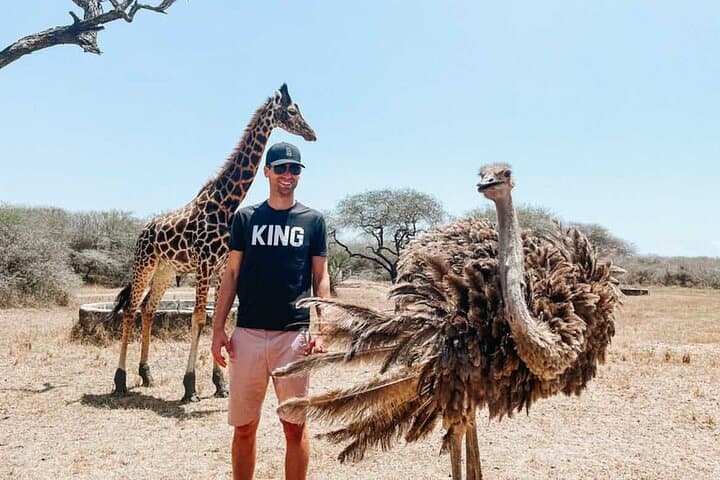
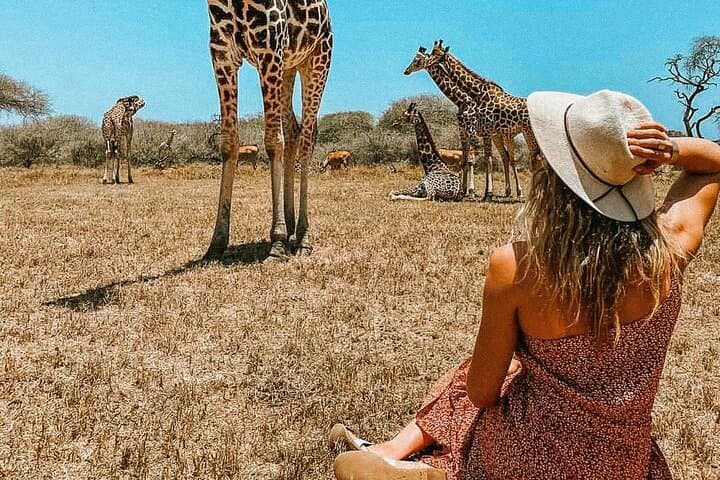
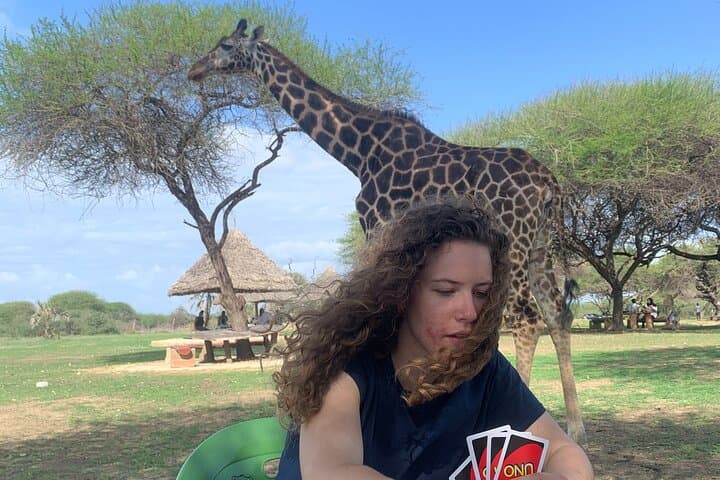
You arrive on a shaded trail and the world immediately shifts: lanky giraffes lift their heads like slow-moving watchmen, ostriches stride with impatient curiosity, and the ground smells of warm earth and sea-borne dust. The guide’s voice threads facts between the animals, and the sanctuary—quiet except for soft footsteps and the occasional snort—invites a slow, deliberate pace.
Verified experiences and guided adventures in the surrounding area.
Operated by Travel4Purpose · Mombasa, Mombasa County
You arrive on a shaded trail and the world immediately shifts: lanky giraffes lift their heads like slow-moving watchmen, ostriches stride with impatient curiosity, and the ground smells of warm earth and sea-borne dust. The guide’s voice threads facts between the animals, and the sanctuary—quiet except for soft footsteps and the occasional snort—invites a slow, deliberate pace.
This stretch of coastal Kenya was once quarried limestone; conservation efforts transformed parts of that scar into a living refuge where rescued and free-roaming species now graze. The walk sits inside Mombasa’s broader Swahili coastal landscape—mangrove-lined creeks and coral-derived soils that shaped local livelihoods for centuries.
Expect a two-hour, mostly flat loop on packed earth with benches and occasional tyre-swings for kids. The guide covers safety and conservation before you set off: stay on the route, keep a respectful distance, and let the animals choose their approach. Giraffes often observe from inches away, noses twitching with curiosity, while ostriches and small antelope drift through tall grasses.
Practicalities matter: sturdy, closed shoes, sun protection, and water make the difference between a pleasant walk and an overheated one; bring a camera with a zoom rather than relying on touch. The sanctuary occasionally uses a tuk‑tuk to shuttle guests if walking becomes too much. Ideal for families and wildlife lovers who want an intimate, responsible encounter without fences or heavy crowds.
moderate.
2 hours.
Suitable for people with a moderate level of fitness; gentle walking with occasional uneven ground
Giraffes in the sanctuary often approach within inches, but the guide enforces safe distances and you should not reach out to touch them.
Yes—families are welcome; there are tyre swings and benches, but children should stay with an adult and follow the guide’s safety instructions.
Comfortable, closed-toe shoes, long bottoms to protect against grass and insects, and sun protection are recommended.
Weather and group needs can allow use of a sanctuary tuk‑tuk for short transfers, but most participants walk the trail.
The area includes rehabilitated limestone quarry land converted into a sanctuary—an example of coastal habitat restoration led by local conservationists.
Visitors are briefed on not feeding or touching wildlife; staying on trails and following guide instructions reduces disturbance and supports ongoing restoration.
Travel4Purpose operates guided outdoor trips and adventures with an emphasis on safety, stewardship, and memorable experiences.

You arrive on a shaded trail and the world immediately shifts: lanky giraffes lift their heads like slow-moving watchmen, ostriches stride with impatient curiosity, and the ground smells of warm earth and sea-borne dust. The guide’s voice threads facts between the animals, and the sanctuary—quiet except for soft footsteps and the occasional snort—invites a slow, deliberate pace.
You arrive on a shaded trail and the world immediately shifts: lanky giraffes lift their heads like slow-moving watchmen, ostriches stride with impatient curiosity, and the ground smells of warm earth and sea-borne dust. The guide’s voice threads facts between the animals, and the sanctuary—quiet except for soft footsteps and the occasional snort—invites a slow, deliberate pace.
This stretch of coastal Kenya was once quarried limestone; conservation efforts transformed parts of that scar into a living refuge where rescued and free-roaming species now graze. The walk sits inside Mombasa’s broader Swahili coastal landscape—mangrove-lined creeks and coral-derived soils that shaped local livelihoods for centuries.
Expect a two-hour, mostly flat loop on packed earth with benches and occasional tyre-swings for kids. The guide covers safety and conservation before you set off: stay on the route, keep a respectful distance, and let the animals choose their approach. Giraffes often observe from inches away, noses twitching with curiosity, while ostriches and small antelope drift through tall grasses.
Practicalities matter: sturdy, closed shoes, sun protection, and water make the difference between a pleasant walk and an overheated one; bring a camera with a zoom rather than relying on touch. The sanctuary occasionally uses a tuk‑tuk to shuttle guests if walking becomes too much. Ideal for families and wildlife lovers who want an intimate, responsible encounter without fences or heavy crowds.