THE ADVENTURE COLLECTIVE® · Independent discovery and booking for outdoor travel

Spend three hours with a naturalist in Monteverde’s cloud forest exploring orchids, epiphytes, and birds while learning the reserve’s ecological history. Expect misty boardwalks, close wildlife encounters, and practical guidance for visiting this fragile, high‑elevation ecosystem.
Spend three hours with a naturalist in Monteverde’s cloud forest exploring orchids, epiphytes, and birds while learning the reserve’s ecological history. Expect misty boardwalks, close wildlife encounters, and practical guidance for visiting this fragile, high‑elevation ecosystem.
Mist clings to fern-fringed trunks as a naturalist leads a small group into the Monteverde Cloud Forest Biological Reserve. Footsteps fall softly on packed earth and wooden boardwalks; the canopy hums with insect-song while a distant call hints at a raptor or quetzal. The guide stops to point out epiphytes threaded through branches and the slick, moss-rimmed leaves that define this wet, high-altitude forest.
Verified experiences and guided adventures in the surrounding area.
Operated by JC Nature Tour · Monteverde, Puntarenas
Mist clings to fern-fringed trunks as a naturalist leads a small group into the Monteverde Cloud Forest Biological Reserve. Footsteps fall softly on packed earth and wooden boardwalks; the canopy hums with insect-song while a distant call hints at a raptor or quetzal. The guide stops to point out epiphytes threaded through branches and the slick, moss-rimmed leaves that define this wet, high-altitude forest.
The reserve grew from local conservation efforts in the 1970s and quickly became a global reference for cloud-forest ecology. Geologically, the area sits on old volcanic soils where elevation and persistent orographic cloud create cool, humid conditions that support extraordinary endemism. Culturally, small nearby towns like Santa Elena and Monteverde blend coffee farms, eco-lodges, and a conservation-minded community that relies on low-impact tourism.
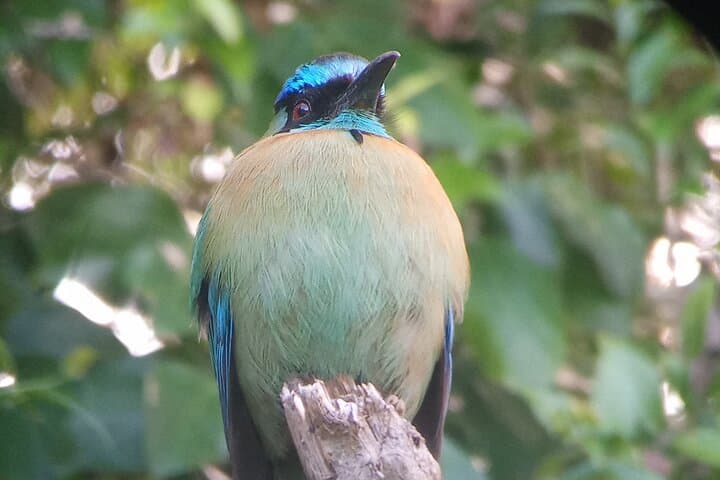
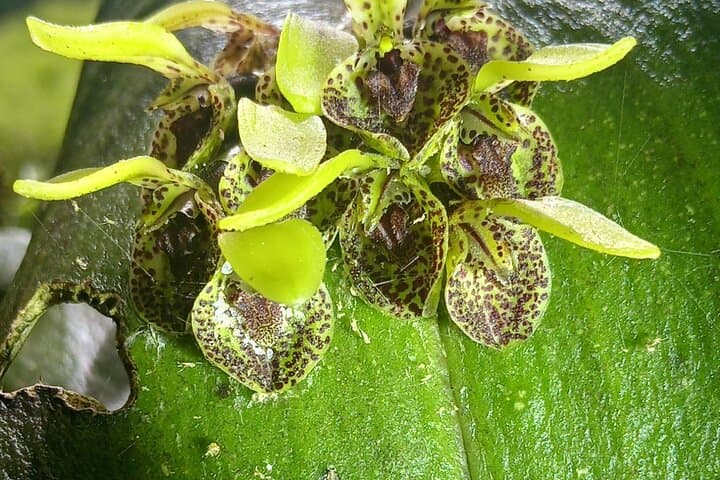
On a guided three-hour natural history walk expect close looks at orchids, bromeliads, and moss gardens; listening stops for migratory and resident birds; and explanations of amphibian declines—the golden toad, once emblematic, vanished in 1989, a reminder of climate sensitivity.
Practical guidance: arrive early for lower cloud and higher bird activity; wear a breathable rain layer, sturdy closed-toe shoes and bring binoculars. Paths are generally well-marked but can be wet and uneven; the tour suits most fitness levels and includes short, interpretive stops. Respect the habitat by staying on trails, minimizing noise, and following guide instructions. The reserve rewards patience: minute details—glass frogs, hummingbird skulks, a mossy trunk alive with life—make the walk more than a hike, but a close study of an ecosystem under pressure.
easy.
3 hours.
Suitable for most fitness levels; requires short walks on uneven, sometimes muddy terrain
Yes—short sections are stroller-accessible but some trails include steps or narrow boardwalks; check with the operator for specifics.
No—the golden toad disappeared in 1989; the reserve still offers abundant amphibian diversity but sightings of any species are never guaranteed.
Many bookings include admission or offer it as an option; confirm the inclusion at booking and bring a copy of your ticket reservation.
Early morning has the highest bird activity and clearer canopy views; guides often schedule walks to coincide with this window.
Local conservationists established the reserve in the 1970s to protect cloud‑forest habitat; the area became known globally for its biodiversity and research value.
The cloud forest is highly sensitive to climate and land-use change—stay on trails, follow guide rules, and support local conservation fees that fund habitat protection.
JC Nature Tour operates guided outdoor trips and adventures with an emphasis on safety, stewardship, and memorable experiences.
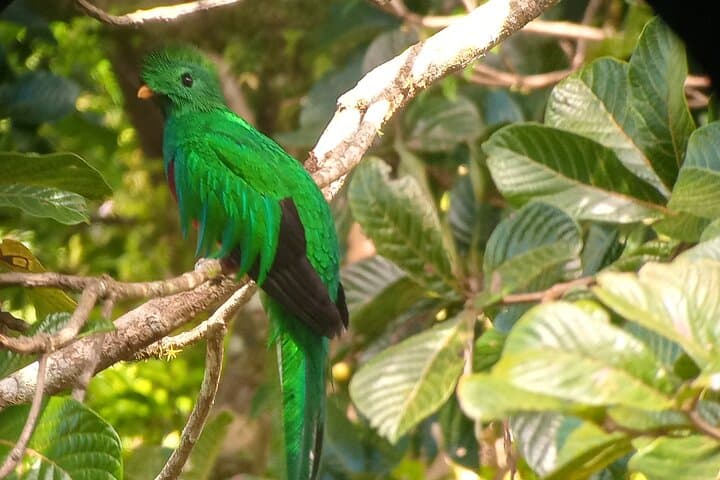
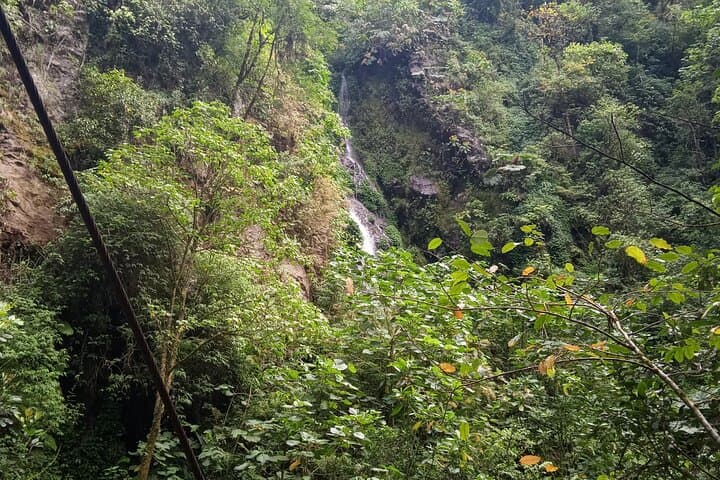
Mist clings to fern-fringed trunks as a naturalist leads a small group into the Monteverde Cloud Forest Biological Reserve. Footsteps fall softly on packed earth and wooden boardwalks; the canopy hums with insect-song while a distant call hints at a raptor or quetzal. The guide stops to point out epiphytes threaded through branches and the slick, moss-rimmed leaves that define this wet, high-altitude forest.
Mist clings to fern-fringed trunks as a naturalist leads a small group into the Monteverde Cloud Forest Biological Reserve. Footsteps fall softly on packed earth and wooden boardwalks; the canopy hums with insect-song while a distant call hints at a raptor or quetzal. The guide stops to point out epiphytes threaded through branches and the slick, moss-rimmed leaves that define this wet, high-altitude forest.
The reserve grew from local conservation efforts in the 1970s and quickly became a global reference for cloud-forest ecology. Geologically, the area sits on old volcanic soils where elevation and persistent orographic cloud create cool, humid conditions that support extraordinary endemism. Culturally, small nearby towns like Santa Elena and Monteverde blend coffee farms, eco-lodges, and a conservation-minded community that relies on low-impact tourism.
On a guided three-hour natural history walk expect close looks at orchids, bromeliads, and moss gardens; listening stops for migratory and resident birds; and explanations of amphibian declines—the golden toad, once emblematic, vanished in 1989, a reminder of climate sensitivity.
Practical guidance: arrive early for lower cloud and higher bird activity; wear a breathable rain layer, sturdy closed-toe shoes and bring binoculars. Paths are generally well-marked but can be wet and uneven; the tour suits most fitness levels and includes short, interpretive stops. Respect the habitat by staying on trails, minimizing noise, and following guide instructions. The reserve rewards patience: minute details—glass frogs, hummingbird skulks, a mossy trunk alive with life—make the walk more than a hike, but a close study of an ecosystem under pressure.