THE ADVENTURE COLLECTIVE® · Independent discovery and booking for outdoor travel

Walk through grand halls where fossils, minerals, and cultural artifacts map Europe’s deep past. This practical guide explains what to expect at the Natural History Museum Vienna and how to plan your visit to make the most of rotating exhibitions and permanent highlights.
Walk through grand halls where fossils, minerals, and cultural artifacts map Europe’s deep past. This practical guide explains what to expect at the Natural History Museum Vienna and how to plan your visit to make the most of rotating exhibitions and permanent highlights.
You step through a wide stone portal and the air shifts: cooler, quietly charged with the weight of specimens and centuries of collecting. Light pools on glass cases; a mounted whale arcs like a wooden bridge above a hush of visitors. The rooms move from fossilized giants to glittering mineral cabinets, each gallery arranging natural history into readable chapters.
Verified experiences and guided adventures in the surrounding area.
Operated by Dream Fly Tourism LLC · Vienna, Vienna
You step through a wide stone portal and the air shifts: cooler, quietly charged with the weight of specimens and centuries of collecting. Light pools on glass cases; a mounted whale arcs like a wooden bridge above a hush of visitors. The rooms move from fossilized giants to glittering mineral cabinets, each gallery arranging natural history into readable chapters.
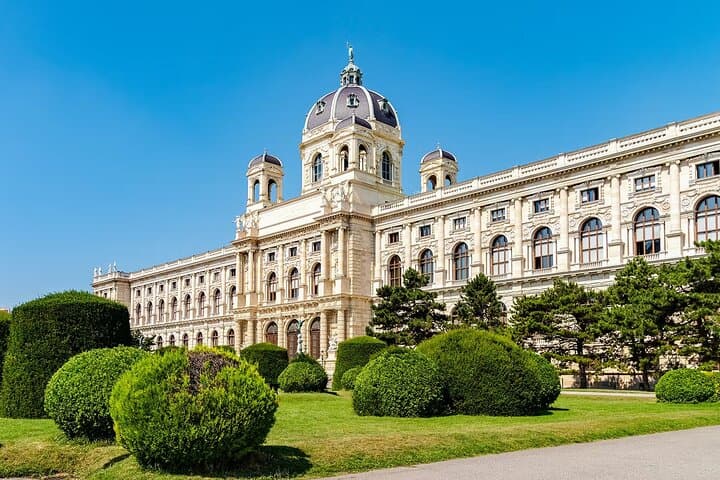
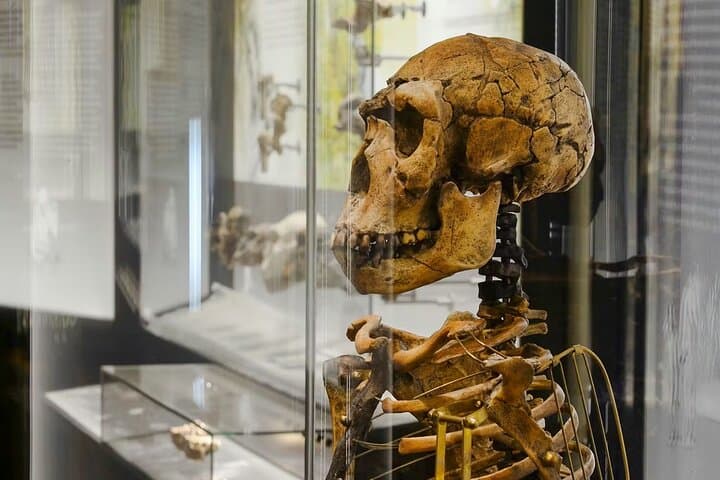
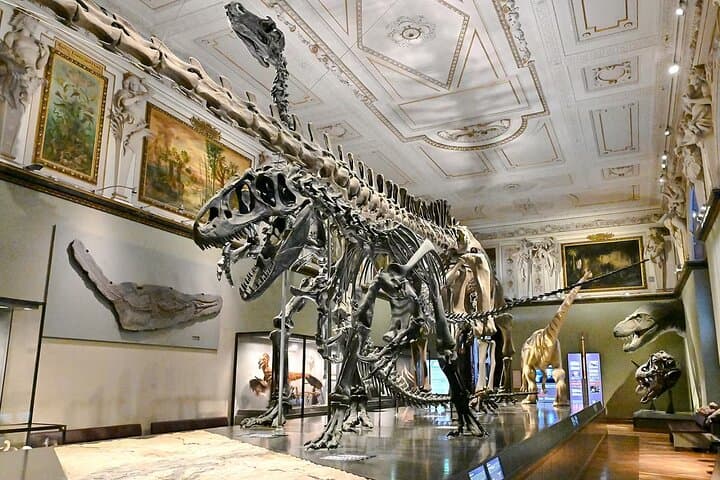
The museum building dates to the late 19th century, erected alongside its twin across Maria‑Theresien‑Platz as part of imperial Vienna’s cultural expansion. Its collections—from the Venus of Willendorf to meteorites and dinosaur skeletons—reflect Habsburg-era exploration and modern scientific curation. Geology and paleontology feature strongly: expect alpine rock samples, mineralogy displays, and fossils that trace Austria’s deep time.
Culturally, the museum is both research institute and public gallery; temporary exhibitions rotate frequently, bringing contemporary issues into historic halls. Nearby, the MuseumsQuartier and Grüner Prater give context to a day spent between cafés and stately avenues.
Practical guidance: allow 1–3 hours for a focused visit, longer if you follow themed exhibits. Buy a mobile ticket in advance to guarantee entry to rotating shows; note some special displays may have separate access rules. Photography is commonly allowed without flash—obey posted restrictions. Use public transport to Maria‑Theresien‑Platz to avoid traffic and bring a light layer—the halls are large and can feel drafty. Families will find interactive zones, while accessibility is generally good but check ahead for specific needs. Plan midday or late‑afternoon visits to avoid peak windows, and leave time to compare notes with the Kunsthistorisches Museum opposite.
easy.
1–3 hours (typical); up to 4 hours with exhibitions.
Minimal physical fitness; some standing and walking between floors
Mobile tickets secure general entry but check the booking confirmation for any timed access or special‑exhibit requirements.
Standard entry covers permanent and many temporary exhibits; guided tours may be offered separately or as an upgrade.
Yes—there are interactive family zones and child‑oriented displays, though younger children may tire quickly in large halls.
The museum has accessible entrances and elevators, but check the museum’s accessibility page for details on specific galleries or exhibits.
Opened in its current Neo‑Renaissance building in the late 19th century, the museum grew from Habsburg imperial collections and continues active scientific research.
The museum plays a key role in specimen stewardship and public science education—follow rules such as no touching displays to help preserve collections.
Dream Fly Tourism LLC operates guided outdoor trips and adventures with an emphasis on safety, stewardship, and memorable experiences.
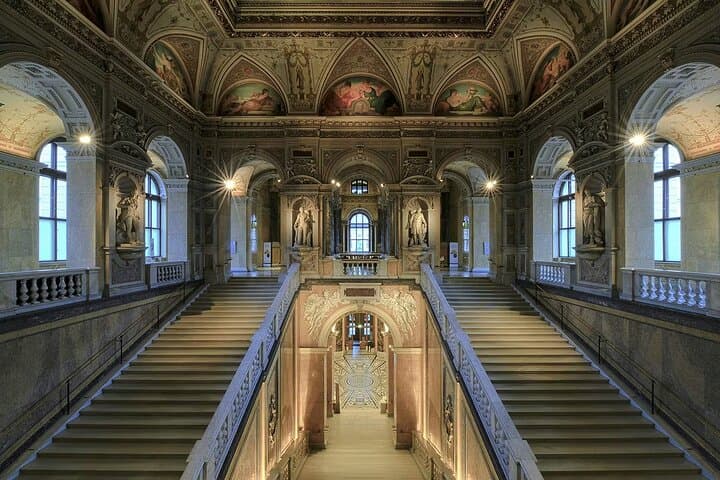
You step through a wide stone portal and the air shifts: cooler, quietly charged with the weight of specimens and centuries of collecting. Light pools on glass cases; a mounted whale arcs like a wooden bridge above a hush of visitors. The rooms move from fossilized giants to glittering mineral cabinets, each gallery arranging natural history into readable chapters.
You step through a wide stone portal and the air shifts: cooler, quietly charged with the weight of specimens and centuries of collecting. Light pools on glass cases; a mounted whale arcs like a wooden bridge above a hush of visitors. The rooms move from fossilized giants to glittering mineral cabinets, each gallery arranging natural history into readable chapters.
The museum building dates to the late 19th century, erected alongside its twin across Maria‑Theresien‑Platz as part of imperial Vienna’s cultural expansion. Its collections—from the Venus of Willendorf to meteorites and dinosaur skeletons—reflect Habsburg-era exploration and modern scientific curation. Geology and paleontology feature strongly: expect alpine rock samples, mineralogy displays, and fossils that trace Austria’s deep time.
Culturally, the museum is both research institute and public gallery; temporary exhibitions rotate frequently, bringing contemporary issues into historic halls. Nearby, the MuseumsQuartier and Grüner Prater give context to a day spent between cafés and stately avenues.
Practical guidance: allow 1–3 hours for a focused visit, longer if you follow themed exhibits. Buy a mobile ticket in advance to guarantee entry to rotating shows; note some special displays may have separate access rules. Photography is commonly allowed without flash—obey posted restrictions. Use public transport to Maria‑Theresien‑Platz to avoid traffic and bring a light layer—the halls are large and can feel drafty. Families will find interactive zones, while accessibility is generally good but check ahead for specific needs. Plan midday or late‑afternoon visits to avoid peak windows, and leave time to compare notes with the Kunsthistorisches Museum opposite.