THE ADVENTURE COLLECTIVE® · Independent discovery and booking for outdoor travel

Explore two hours of fossils, minerals and museum lore on a semi-private guided tour of London’s Natural History Museum. Learn the must-see specimens, building history and practical tips for a smooth visit.
Explore two hours of fossils, minerals and museum lore on a semi-private guided tour of London’s Natural History Museum. Learn the must-see specimens, building history and practical tips for a smooth visit.
You step through the terracotta arch and the city noise contracts into a hush, replaced by the creak of old timbers and the soft clack of shoes on stone. Light catches a fossil tooth, a slab of meteorite, the rib of a whale suspended like a ghost. In two hours a knowledgeable guide threads these objects into a narrative of deep time, from volcanic beginnings to the age of mammals.
Verified experiences and guided adventures in the surrounding area.
Operated by Babylon Tours London · London, Greater London
You step through the terracotta arch and the city noise contracts into a hush, replaced by the creak of old timbers and the soft clack of shoes on stone. Light catches a fossil tooth, a slab of meteorite, the rib of a whale suspended like a ghost. In two hours a knowledgeable guide threads these objects into a narrative of deep time, from volcanic beginnings to the age of mammals.
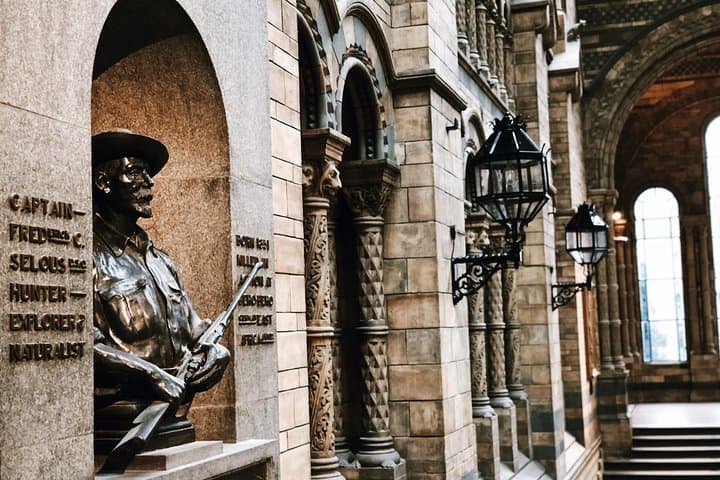
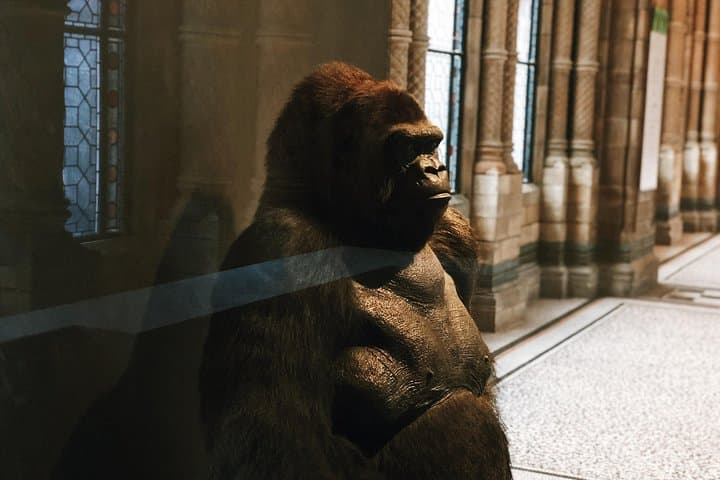
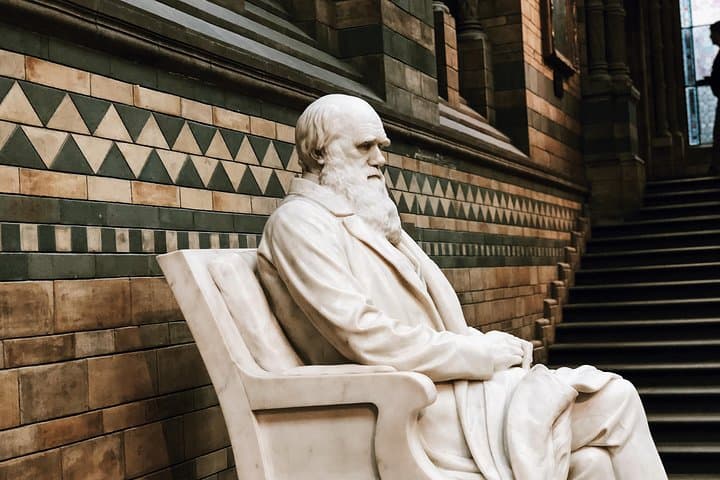
The museum building itself is Victorian — Alfred Waterhouse’s 19th-century design uses glazed terracotta that resists London fog while framing galleries of geology, botany and zoology. Exhibits span continents and epochs: the giant sequoia cross-section that rings in tree age, the Archaeopteryx fossil that links dinosaurs to birds, and Sophie the Stegosaurus whose plates still draw a crowd. Several galleries explore geology and mineralogy, showing how plates, magma and erosion sculpted islands and cities alike.
Expect close reading of specimens rather than hands-on displays; some rooms enforce quiet for specialist collections. Guides add cultural context — museum acquisition histories and conservation efforts — and note how public transit shaped access to science in Victorian London.
Practical guidance: bring a small bag (no large suitcases), charge your phone for photos and the mandatory mobile contact, and arrive 10–15 minutes early for security screening. The tour covers ground at a steady, accessible pace; wear comfortable shoes and plan for standing in galleries. With a maximum of eight guests, the semi-private format gives you time to ask about specimens, provenance and conservation priorities.
moderate.
2–2 hours.
Suitable for most visitors with moderate mobility; involves standing and walking between exhibits over two hours.
Yes — this semi‑private tour requires booking in advance; it will not run without a minimum number of guests and has an 8‑guest maximum.
The museum and tour are generally stroller and wheelchair accessible, but check specific gallery restrictions and notify the operator of mobility needs when booking.
Bring only small bags or handbags; large suitcases are not allowed. Have your mobile phone available for contact details and ticket verification.
The guide focuses on the museum’s highlights — expect to see key fossils like Archaeopteryx, dinosaur displays such as Sophie the Stegosaurus, and major geology specimens, though some rooms may vary seasonally.
Opened in the late 19th century, the museum’s terracotta façade and expansive halls reflect Victorian ambitions to catalog nature and educate the public in science.
The museum runs conservation and research programs; visitors can support preservation by following handling rules, avoiding flash where restricted and using public transport to reduce local emissions.
Babylon Tours London operates guided outdoor trips and adventures with an emphasis on safety, stewardship, and memorable experiences.
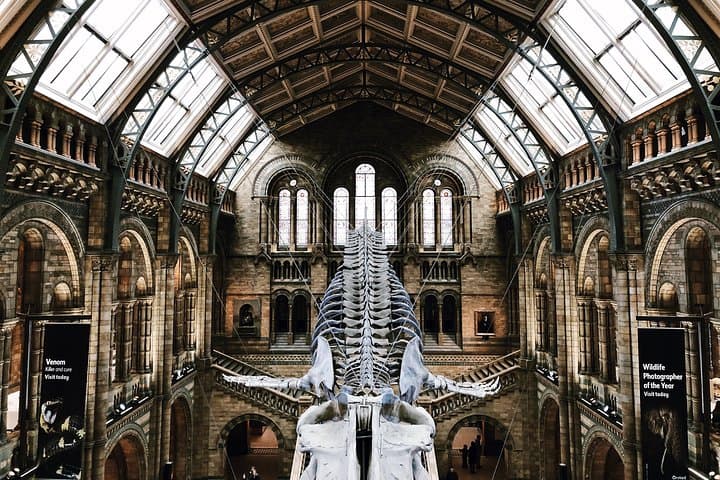
You step through the terracotta arch and the city noise contracts into a hush, replaced by the creak of old timbers and the soft clack of shoes on stone. Light catches a fossil tooth, a slab of meteorite, the rib of a whale suspended like a ghost. In two hours a knowledgeable guide threads these objects into a narrative of deep time, from volcanic beginnings to the age of mammals.
You step through the terracotta arch and the city noise contracts into a hush, replaced by the creak of old timbers and the soft clack of shoes on stone. Light catches a fossil tooth, a slab of meteorite, the rib of a whale suspended like a ghost. In two hours a knowledgeable guide threads these objects into a narrative of deep time, from volcanic beginnings to the age of mammals.
The museum building itself is Victorian — Alfred Waterhouse’s 19th-century design uses glazed terracotta that resists London fog while framing galleries of geology, botany and zoology. Exhibits span continents and epochs: the giant sequoia cross-section that rings in tree age, the Archaeopteryx fossil that links dinosaurs to birds, and Sophie the Stegosaurus whose plates still draw a crowd. Several galleries explore geology and mineralogy, showing how plates, magma and erosion sculpted islands and cities alike.
Expect close reading of specimens rather than hands-on displays; some rooms enforce quiet for specialist collections. Guides add cultural context — museum acquisition histories and conservation efforts — and note how public transit shaped access to science in Victorian London.
Practical guidance: bring a small bag (no large suitcases), charge your phone for photos and the mandatory mobile contact, and arrive 10–15 minutes early for security screening. The tour covers ground at a steady, accessible pace; wear comfortable shoes and plan for standing in galleries. With a maximum of eight guests, the semi-private format gives you time to ask about specimens, provenance and conservation priorities.