THE ADVENTURE COLLECTIVE® · Independent discovery and booking for outdoor travel

Explore two centuries of natural science inside one of London’s most atmospheric museums. This private two‑hour guided tour highlights dinosaurs, rare fossils and geological wonders with curator‑level context and practical tips for busy visitors.
Explore two centuries of natural science inside one of London’s most atmospheric museums. This private two‑hour guided tour highlights dinosaurs, rare fossils and geological wonders with curator‑level context and practical tips for busy visitors.
Step through the ornate terracotta entrance and you’re immediately pulled into a different scale of time: polished stone floors, echoing vaults, and a whale skeleton that seems to hang between past and present.
Verified experiences and guided adventures in the surrounding area.
Operated by Babylon Tours London · London, England
Step through the ornate terracotta entrance and you’re immediately pulled into a different scale of time: polished stone floors, echoing vaults, and a whale skeleton that seems to hang between past and present.
The Natural History Museum’s 19th‑century Alfred Waterhouse building was conceived as a cathedral to scientific collection; its galleries chart deep time from volcanic upheaval and fossilized forests to the rise of humans. On a two‑hour private guided tour you’ll meet iconic specimens—Sophie the Stegosaurus, the rare Archaeopteryx that bridges birds and dinosaurs, the extinct Mauritius Dodo—and stand before a giant sequoia cross‑section that still seems to smell of sap. Geological displays pin continents and earthquakes to familiar minerals; the museum’s mineral vault reveals colors and crystal forms that challenge what light can do.
Culturally, the museum is both a public classroom and a research hub: curators and scientists use these collections to monitor biodiversity shifts and to inform conservation policy. Practically, expect a brisk, walk‑and‑talk pace with some quiet rooms where guides ask for low voices. Security rules limit bag size and some rooms restrict photography; your guide will flag those spaces.
Plan to arrive 10–15 minutes early with your mobile ticket and ID, wear comfortable shoes for standing and stairs, and carry a small bottle of water. If you want a focused experience, tell your guide in advance—paleontology, minerals, botany, or human impacts can each tailor the two hours to what matters most to you.
easy.
2 hours.
Able to stand and walk for two hours and manage short flights of museum stairs or ramps.
Mobile ticket is accepted; have it ready on your phone along with the booking phone number used at reservation.
Yes—this tour and the museum provide wheelchair‑accessible routes and surfaces, though some historic staircases may require alternate routing.
Photography is allowed in most galleries without flash, but some rooms restrict photography or enforce silence; touching specimens is not permitted except in designated handling displays.
Your booking functions as the tour admission—confirm the mobile ticket details on booking communications and arrive on time to ensure full access.
The museum building was designed by Alfred Waterhouse and opened in 1881; its terracotta façade was chosen to resist soot and decorate with natural motifs reflecting the collections inside.
Collections here are live research tools used in biodiversity tracking and climate studies; visitors can support conservation by following handling rules and choosing sustainable travel options to the museum.
Babylon Tours London operates guided outdoor trips and adventures with an emphasis on safety, stewardship, and memorable experiences.
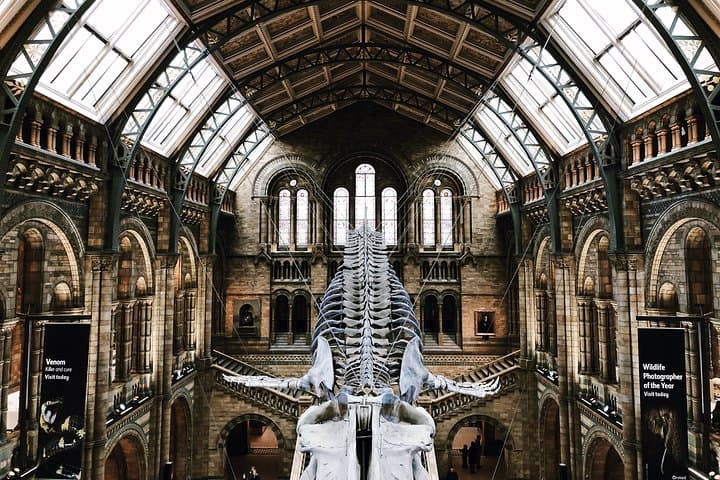
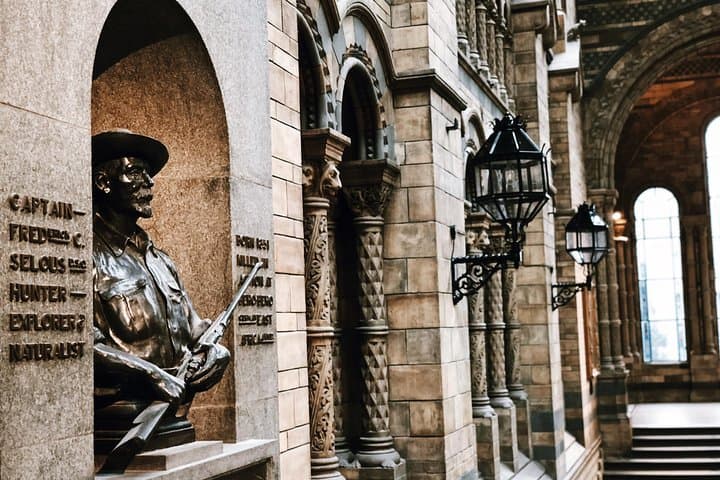
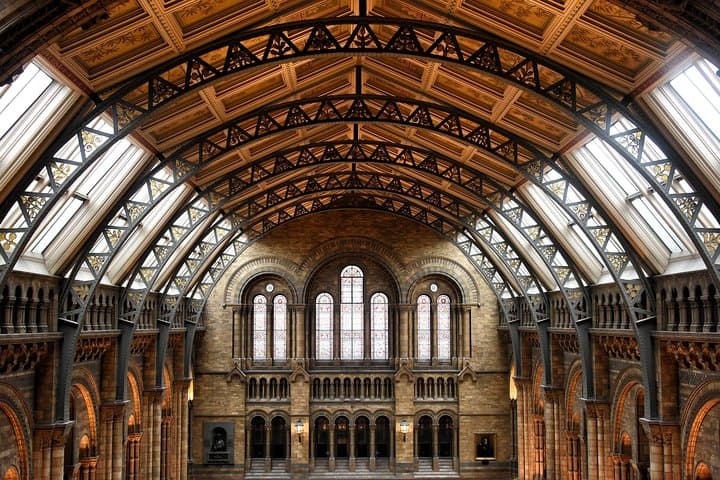
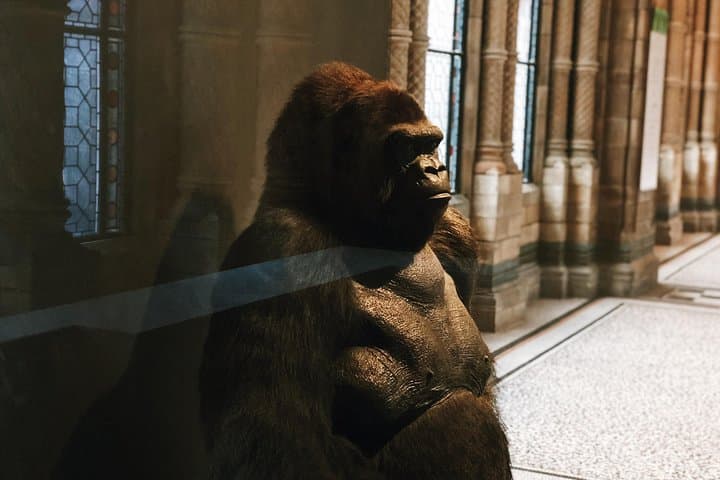
Step through the ornate terracotta entrance and you’re immediately pulled into a different scale of time: polished stone floors, echoing vaults, and a whale skeleton that seems to hang between past and present.
Step through the ornate terracotta entrance and you’re immediately pulled into a different scale of time: polished stone floors, echoing vaults, and a whale skeleton that seems to hang between past and present.
The Natural History Museum’s 19th‑century Alfred Waterhouse building was conceived as a cathedral to scientific collection; its galleries chart deep time from volcanic upheaval and fossilized forests to the rise of humans. On a two‑hour private guided tour you’ll meet iconic specimens—Sophie the Stegosaurus, the rare Archaeopteryx that bridges birds and dinosaurs, the extinct Mauritius Dodo—and stand before a giant sequoia cross‑section that still seems to smell of sap. Geological displays pin continents and earthquakes to familiar minerals; the museum’s mineral vault reveals colors and crystal forms that challenge what light can do.
Culturally, the museum is both a public classroom and a research hub: curators and scientists use these collections to monitor biodiversity shifts and to inform conservation policy. Practically, expect a brisk, walk‑and‑talk pace with some quiet rooms where guides ask for low voices. Security rules limit bag size and some rooms restrict photography; your guide will flag those spaces.
Plan to arrive 10–15 minutes early with your mobile ticket and ID, wear comfortable shoes for standing and stairs, and carry a small bottle of water. If you want a focused experience, tell your guide in advance—paleontology, minerals, botany, or human impacts can each tailor the two hours to what matters most to you.