THE ADVENTURE COLLECTIVE® · Independent discovery and booking for outdoor travel

Drive across salt flats, sleep in hammocks, and learn Wayuu traditions on a private three-day expedition to Cabo de la Vela and Punta Gallinas. This trip pairs remote desert landscapes with direct cultural exchange and slow-paced exploration.
Drive across salt flats, sleep in hammocks, and learn Wayuu traditions on a private three-day expedition to Cabo de la Vela and Punta Gallinas. This trip pairs remote desert landscapes with direct cultural exchange and slow-paced exploration.
The wind in La Guajira arrives like a messenger — dry, salty, and insistent — pushing dunes into sculpted ridges while fishing boats rest on glass-blue shallows. You begin before dawn, crossing scrub and salt flats by 4x4, a slow move into a landscape that keeps its own pace.
Verified experiences and guided adventures in the surrounding area.
Operated by Native Expeditions · Riohacha, La Guajira
The wind in La Guajira arrives like a messenger — dry, salty, and insistent — pushing dunes into sculpted ridges while fishing boats rest on glass-blue shallows. You begin before dawn, crossing scrub and salt flats by 4x4, a slow move into a landscape that keeps its own pace.
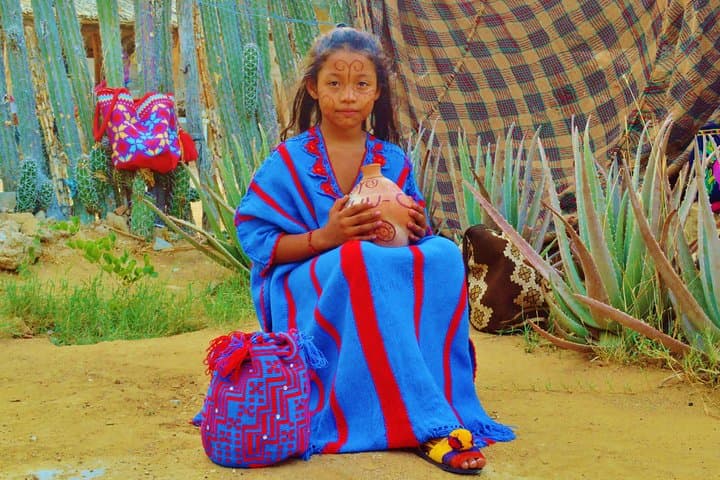
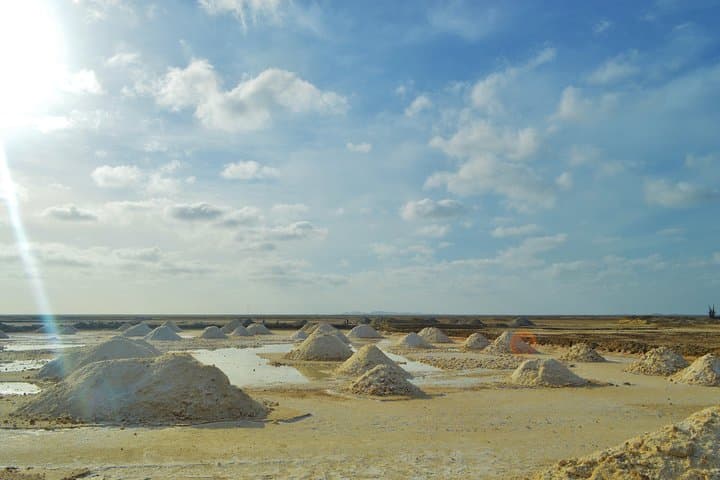
This three-day private expedition follows Wayuu territory along Colombia’s northernmost peninsula. Geologically, the peninsula is a patchwork of coastal cliffs, windblown dunes and evaporite flats where artisanal salt pans still feed local trade. The Wayuu people have shaped this coast for centuries; their woven bags and oral histories are practical maps to place and memory. Cultural exchange here is direct — evening conversations, hammock nights, and shared meals teach daily life more honestly than any museum.
Expect long, dusty drives between remote points — Cabo de la Vela’s lighthouse, the Eye of Water, and Punta Gallinas at the continent’s edge — interspersed with short guided walks, a boat outing in Bahía Hondita, and nights in simple coastal lodging or hammocks under star-streaked skies.
Practicalities matter: carry sun protection, refillable water, and a small daypack for beach walks and dune climbs. Footwear should handle sand and rocky tracks. Schedule-wise, mornings and late afternoons are best for walking and photography; midday heat and wind make travel slower.
This trip is less about checkpoints and more about connection — to a land that pushes back and a people that welcome visitors as guests, not observers.
moderate.
3 days.
Suitable for most travelers in reasonable health; expect long vehicle transfers, short coastal walks, and occasional dune climbs.
Lodging is basic and authentic — coastal guesthouses and hammock nights near Punta Gallinas — with limited modern amenities.
Yes; pace and routes are gentle, but participants should be prepared for long vehicle rides and sleeping in hammocks in some locations.
Yes — breakfast, lunch and dinner are included across the three days, showcasing local Wayuu and coastal dishes.
No special permits are usually required, but ensure routine vaccinations are up to date and check travel advisories for Colombia before departure.
La Guajira has been Wayuu territory for centuries; their matrilineal clans managed trade across the Caribbean coast long before modern borders.
The region is ecologically sensitive — avoid leaving waste, support local guides, and respect salt pan operations and nesting bird areas.
Native Expeditions operates guided outdoor trips and adventures with an emphasis on safety, stewardship, and memorable experiences.
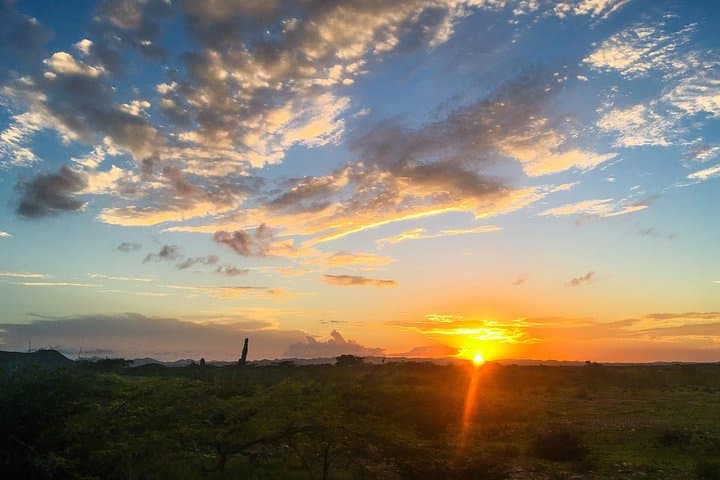
The wind in La Guajira arrives like a messenger — dry, salty, and insistent — pushing dunes into sculpted ridges while fishing boats rest on glass-blue shallows. You begin before dawn, crossing scrub and salt flats by 4x4, a slow move into a landscape that keeps its own pace.
The wind in La Guajira arrives like a messenger — dry, salty, and insistent — pushing dunes into sculpted ridges while fishing boats rest on glass-blue shallows. You begin before dawn, crossing scrub and salt flats by 4x4, a slow move into a landscape that keeps its own pace.
This three-day private expedition follows Wayuu territory along Colombia’s northernmost peninsula. Geologically, the peninsula is a patchwork of coastal cliffs, windblown dunes and evaporite flats where artisanal salt pans still feed local trade. The Wayuu people have shaped this coast for centuries; their woven bags and oral histories are practical maps to place and memory. Cultural exchange here is direct — evening conversations, hammock nights, and shared meals teach daily life more honestly than any museum.
Expect long, dusty drives between remote points — Cabo de la Vela’s lighthouse, the Eye of Water, and Punta Gallinas at the continent’s edge — interspersed with short guided walks, a boat outing in Bahía Hondita, and nights in simple coastal lodging or hammocks under star-streaked skies.
Practicalities matter: carry sun protection, refillable water, and a small daypack for beach walks and dune climbs. Footwear should handle sand and rocky tracks. Schedule-wise, mornings and late afternoons are best for walking and photography; midday heat and wind make travel slower.
This trip is less about checkpoints and more about connection — to a land that pushes back and a people that welcome visitors as guests, not observers.