THE ADVENTURE COLLECTIVE® · Independent discovery and booking for outdoor travel

Explore working historic computers at The National Museum of Computing on Bletchley Park. This entry ticket gives access to live demonstrations, wartime machines such as Colossus and Bombe, and a deep dive into the roots of modern computing.
Explore working historic computers at The National Museum of Computing on Bletchley Park. This entry ticket gives access to live demonstrations, wartime machines such as Colossus and Bombe, and a deep dive into the roots of modern computing.
You step from the manicured lawns of Bletchley Park into a corrugated‑steel hut where whirring tape drives and vacuum‑tube hum still carry the urgency of wartime invention. The air smells faintly of old metal and polish; volunteers in calm, precise voices guide you past Colossus reconstructions and the Turing‑Welchman Bombe as if reading from a live script of computing history.
Verified experiences and guided adventures in the surrounding area.
Operated by The National Museum of Computing · Bletchley, Buckinghamshire
You step from the manicured lawns of Bletchley Park into a corrugated‑steel hut where whirring tape drives and vacuum‑tube hum still carry the urgency of wartime invention. The air smells faintly of old metal and polish; volunteers in calm, precise voices guide you past Colossus reconstructions and the Turing‑Welchman Bombe as if reading from a live script of computing history.
The museum occupies a unique place in mid‑20th‑century Britain — part of the wider Bletchley complex where codebreakers first framed modern computing. Geologically, the site sits on the clay flats of the Nene valley, an unassuming landscape that hosted extraordinary intellectual activity. Culturally, TNMOC bridges generations: school groups crowd around punch‑card displays while hobbyists lean into mainframe consoles. The collection maps hardware evolution from wartime electromechanical machines through mainframes and retro personal computers to early mobile devices.
Practical guidance: allow two to four hours — longer if you attend demonstrations. The museum is run largely by expert volunteers who provide live demos and detailed interpretation; check schedules in advance. Mobility access is good across the site, with seating and light refreshments available on the grounds. Photography is generally permitted but follow signage and volunteer instructions in sensitive areas.
Timing visits for quieter weekday mornings improves access to volunteers and reduces queueing. Combine a TNMOC visit with a walk around Bletchley Park’s estate to place the machines in their wider wartime and postwar context — the machines are historic artefacts, and the volunteers are their best guides.
easy.
2–6 hours.
Suitable for all fitness levels; involves standing and short walks between huts.
Most visitors spend 2–4 hours; allow longer if you want to attend several demonstrations or study specific machines.
Yes — the museum notes wheelchair and stroller accessibility across surfaces, but contact ahead for detailed assistance or special requirements.
Photography is generally allowed, but obey posted restrictions and volunteer guidance in conservation zones and during sensitive demonstrations.
The cancellation policy allows a full refund if you cancel at least 24 hours before the scheduled time; check your booking confirmation for details.
The museum sits within Bletchley Park, the WWII codebreaking centre that hosted Colossus and Bombe machines used to decrypt Axis communications, marking a seminal moment in computing history.
TNMOC relies on volunteer conservation and careful preservation of vintage electronics; visitors are asked to minimise handling and follow signage to reduce wear.
The National Museum of Computing operates guided outdoor trips and adventures with an emphasis on safety, stewardship, and memorable experiences.
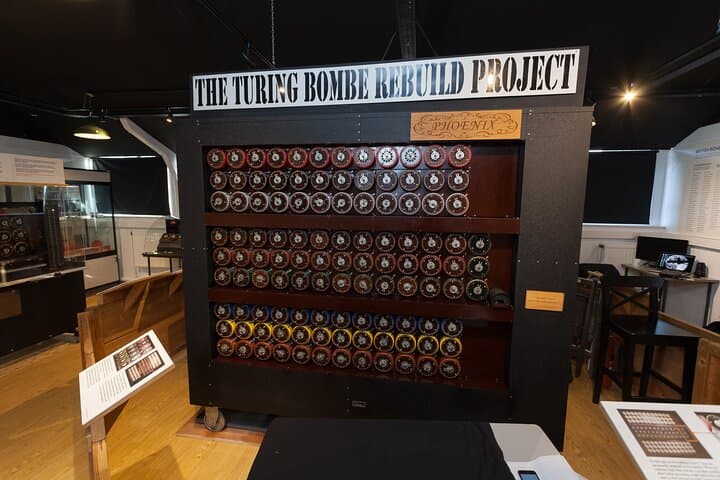
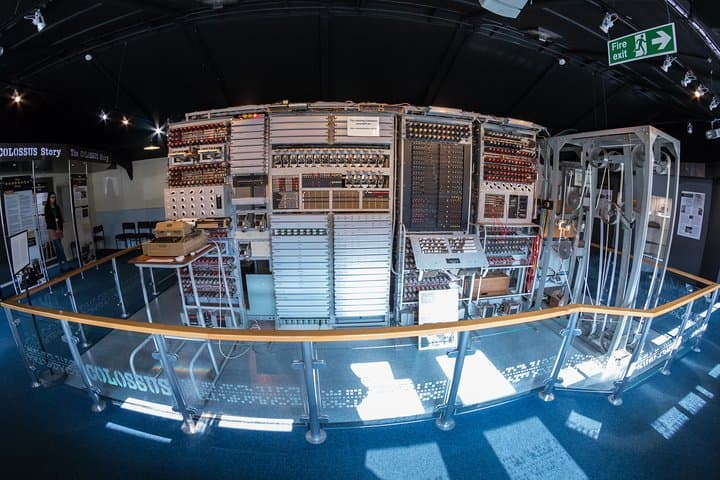
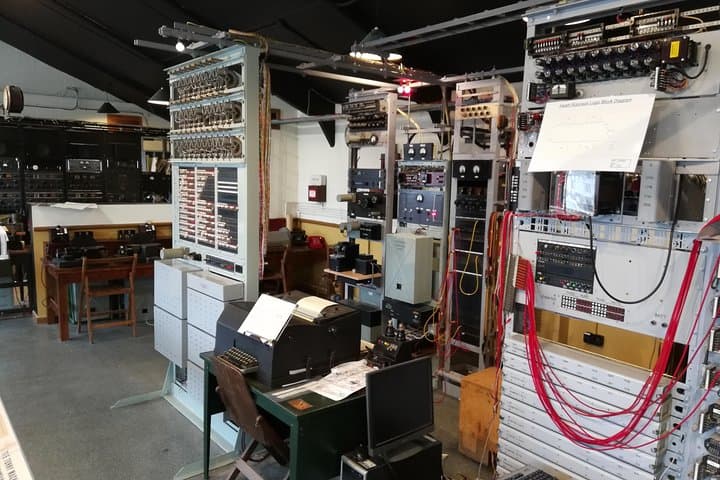

You step from the manicured lawns of Bletchley Park into a corrugated‑steel hut where whirring tape drives and vacuum‑tube hum still carry the urgency of wartime invention. The air smells faintly of old metal and polish; volunteers in calm, precise voices guide you past Colossus reconstructions and the Turing‑Welchman Bombe as if reading from a live script of computing history.
You step from the manicured lawns of Bletchley Park into a corrugated‑steel hut where whirring tape drives and vacuum‑tube hum still carry the urgency of wartime invention. The air smells faintly of old metal and polish; volunteers in calm, precise voices guide you past Colossus reconstructions and the Turing‑Welchman Bombe as if reading from a live script of computing history.
The museum occupies a unique place in mid‑20th‑century Britain — part of the wider Bletchley complex where codebreakers first framed modern computing. Geologically, the site sits on the clay flats of the Nene valley, an unassuming landscape that hosted extraordinary intellectual activity. Culturally, TNMOC bridges generations: school groups crowd around punch‑card displays while hobbyists lean into mainframe consoles. The collection maps hardware evolution from wartime electromechanical machines through mainframes and retro personal computers to early mobile devices.
Practical guidance: allow two to four hours — longer if you attend demonstrations. The museum is run largely by expert volunteers who provide live demos and detailed interpretation; check schedules in advance. Mobility access is good across the site, with seating and light refreshments available on the grounds. Photography is generally permitted but follow signage and volunteer instructions in sensitive areas.
Timing visits for quieter weekday mornings improves access to volunteers and reduces queueing. Combine a TNMOC visit with a walk around Bletchley Park’s estate to place the machines in their wider wartime and postwar context — the machines are historic artefacts, and the volunteers are their best guides.