THE ADVENTURE COLLECTIVE® · Independent discovery and booking for outdoor travel

Stand on the headland where 41,000 departed for the Great War and follow personal soldier stories through cutting‑edge displays at the National Anzac Centre. Combine the museum with coastal guns, walking trails and seasonal whale watching at Princess Royal Fortress.
Stand on the headland where 41,000 departed for the Great War and follow personal soldier stories through cutting‑edge displays at the National Anzac Centre. Combine the museum with coastal guns, walking trails and seasonal whale watching at Princess Royal Fortress.
You arrive at the headland as the harbor spreads below, gulls skimming the wind that seems to push visitors toward the stone-built museum. The National Anzac Centre occupies Mount Adelaide within the Princess Royal Fortress — a place that watches the sea still, even as it remembers the departures of 1914 when over 41,000 service men and women left Albany for the Great War.
Verified experiences and guided adventures in the surrounding area.
Operated by National Anzac Centre · Albany, Western Australia
You arrive at the headland as the harbor spreads below, gulls skimming the wind that seems to push visitors toward the stone-built museum. The National Anzac Centre occupies Mount Adelaide within the Princess Royal Fortress — a place that watches the sea still, even as it remembers the departures of 1914 when over 41,000 service men and women left Albany for the Great War.
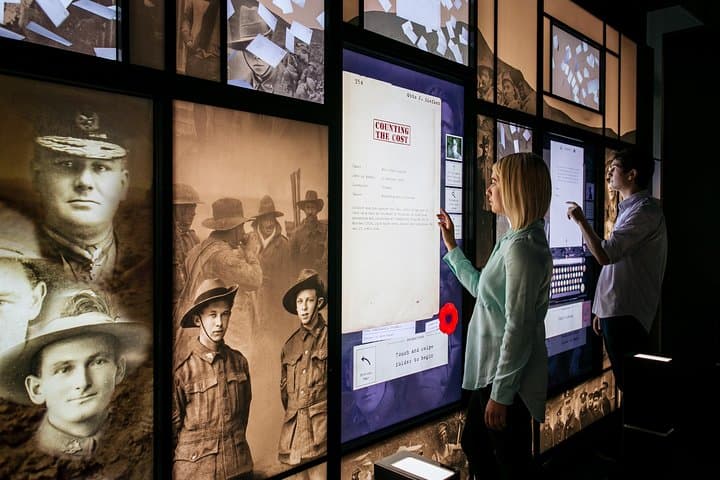
The Centre blends personal stories with multimedia interpretation: visitors assume the identity of 32 real service personnel and follow recruitment, training, embarkation and, for survivors, the difficult return. The site sits on pre-federation coastal defenses — concrete gun emplacements and bunkers cut into older granite outcrops — offering a direct link between military engineering and the rugged geology of Western Australia’s south coast.
Local culture is maritime and commemorative; annual services and seasonal whale migrations shape when people come. Beyond the galleries, 260 hectares of reserve unfold: coastal walking and mountain-bike trails, wildflower displays in spring and lookout points ideal for whale watching when the ocean brings the giants close.
Practicalities: allow 1–4 hours depending on how much of the Fortress you explore. The Centre is wheelchair accessible, accepts mobile tickets and has free parking on site. Wear sturdy shoes for uneven headland paths, bring water and windproof layers — the headland can be exposed and change quickly. Move respectfully: this is both a museum and a place of remembrance. Combine the visit with a short walk to the coastal guns or an afternoon lookout for whale sightings to make the most of the landscape and history in one trip.
easy.
1–4 hours.
Suitable for most fitness levels; expect short walks on uneven coastal paths and some stairs inside the fortress.
Plan 60–240 minutes: 60–120 minutes for the National Anzac Centre galleries and up to 4 hours to also explore the Fortress, coastal guns and nearby trails.
Yes — the National Anzac Centre and its surfaces are wheelchair and stroller accessible, and service animals are permitted.
Mobile or printed tickets are accepted; the tour option indicates instant confirmation and mobile-only ticket types are supported.
Yes — the Princess Royal Fortress headland offers several lookout points for seasonal whale watching, best from late winter through spring.
Albany was the last Australian port of call for more than 41,000 service personnel departing for World War I; the Centre interprets their individual stories within the historic Princess Royal Fortress.
The surrounding 260‑hectare reserve is managed for heritage and natural values—stick to trails, follow whale‑watching guidelines and carry out any waste to reduce visitor impact.
National Anzac Centre operates guided outdoor trips and adventures with an emphasis on safety, stewardship, and memorable experiences.
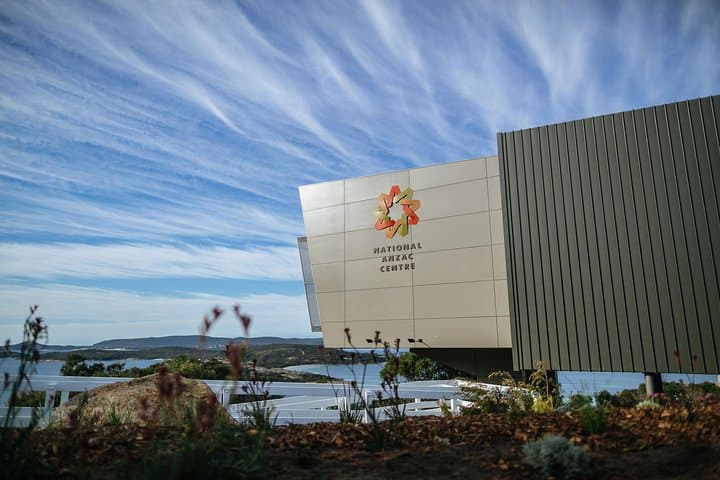
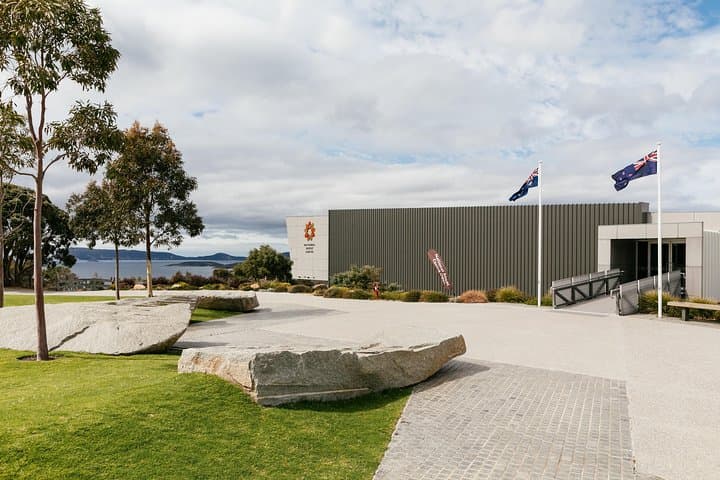

You arrive at the headland as the harbor spreads below, gulls skimming the wind that seems to push visitors toward the stone-built museum. The National Anzac Centre occupies Mount Adelaide within the Princess Royal Fortress — a place that watches the sea still, even as it remembers the departures of 1914 when over 41,000 service men and women left Albany for the Great War.
You arrive at the headland as the harbor spreads below, gulls skimming the wind that seems to push visitors toward the stone-built museum. The National Anzac Centre occupies Mount Adelaide within the Princess Royal Fortress — a place that watches the sea still, even as it remembers the departures of 1914 when over 41,000 service men and women left Albany for the Great War.
The Centre blends personal stories with multimedia interpretation: visitors assume the identity of 32 real service personnel and follow recruitment, training, embarkation and, for survivors, the difficult return. The site sits on pre-federation coastal defenses — concrete gun emplacements and bunkers cut into older granite outcrops — offering a direct link between military engineering and the rugged geology of Western Australia’s south coast.
Local culture is maritime and commemorative; annual services and seasonal whale migrations shape when people come. Beyond the galleries, 260 hectares of reserve unfold: coastal walking and mountain-bike trails, wildflower displays in spring and lookout points ideal for whale watching when the ocean brings the giants close.
Practicalities: allow 1–4 hours depending on how much of the Fortress you explore. The Centre is wheelchair accessible, accepts mobile tickets and has free parking on site. Wear sturdy shoes for uneven headland paths, bring water and windproof layers — the headland can be exposed and change quickly. Move respectfully: this is both a museum and a place of remembrance. Combine the visit with a short walk to the coastal guns or an afternoon lookout for whale sightings to make the most of the landscape and history in one trip.