THE ADVENTURE COLLECTIVE® · Independent discovery and booking for outdoor travel

Walk Broadway with an expert guide and move through Nashville’s musical landmarks, architecture, and hidden local hacks in 90 minutes. This downtown route pairs big-name stops—the Ryman and Country Music Hall of Fame—with neighborhood insights that help you see the city like a local.
Walk Broadway with an expert guide and move through Nashville’s musical landmarks, architecture, and hidden local hacks in 90 minutes. This downtown route pairs big-name stops—the Ryman and Country Music Hall of Fame—with neighborhood insights that help you see the city like a local.
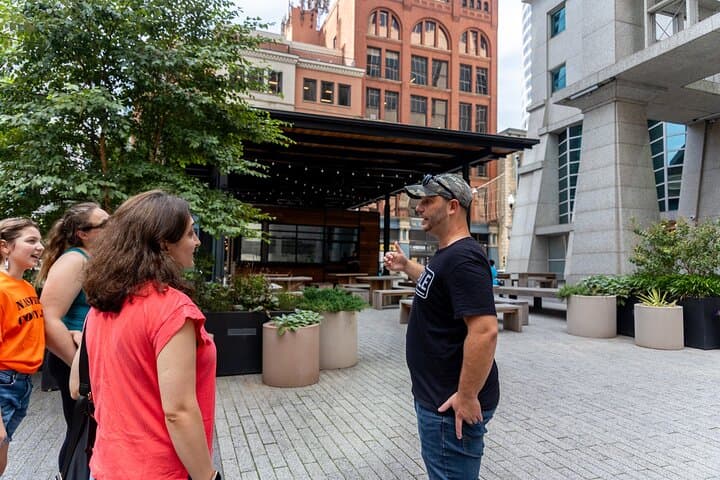
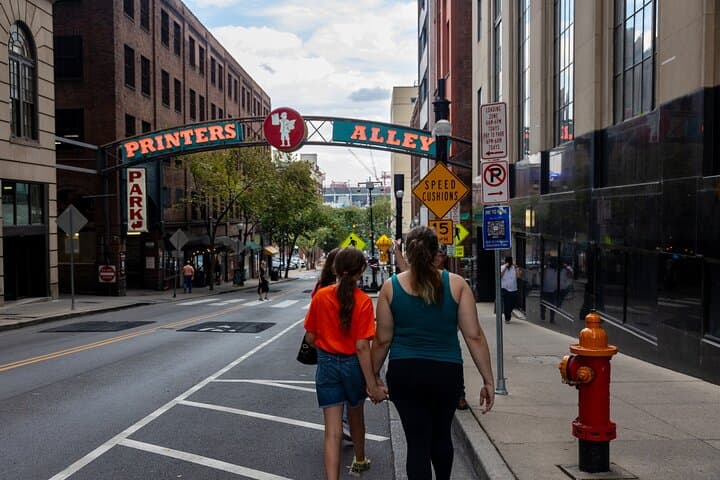
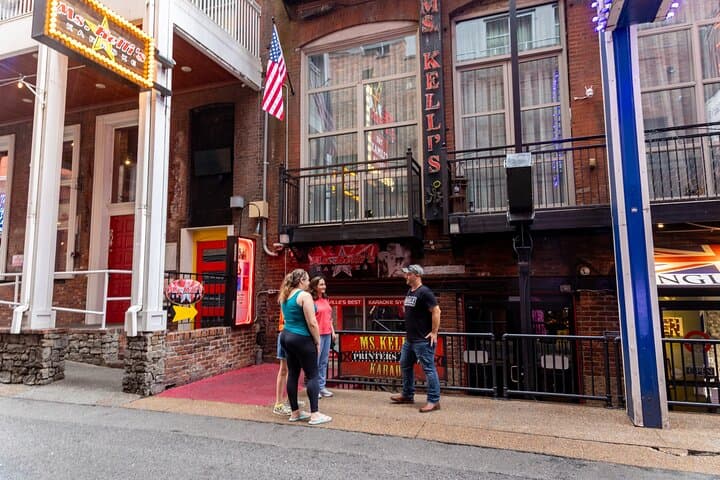
The sun slants across Broadway and river-warmed brick as a small group gathers at the Grand Lodge steps on 7th and Broadway. Honky-tonk guitars strum from a nearby bar and a guide checks names, maps, and a metronome of stories—tight, clear, and anchored to place. In ninety minutes the city compresses: music halls and coffee factories, parks and monuments, each stop a hinge between Nashville’s past and its present bustle.
Verified experiences and guided adventures in the surrounding area.
Operated by Tours By Foot · Nashville, Tennessee
The sun slants across Broadway and river-warmed brick as a small group gathers at the Grand Lodge steps on 7th and Broadway. Honky-tonk guitars strum from a nearby bar and a guide checks names, maps, and a metronome of stories—tight, clear, and anchored to place. In ninety minutes the city compresses: music halls and coffee factories, parks and monuments, each stop a hinge between Nashville’s past and its present bustle.
Downtown is a layered city. The Ryman Auditorium—often called the “Mother Church of Country Music”—still smells faintly of cedar and varnish; its stage has absorbed radio broadcasts, gospel runs, and late-night, sweaty shows that changed genres. A short walk brings you to the Country Music Hall of Fame, whose glass facades reflect the Cumberland River daring you to cross toward the next story. Scattered between the icons are quieter chapters: the local origins of Maxwell House coffee, early commercial blocks on Second Avenue, and municipal projects that reworked the riverfront in the 20th century.
Geologically, Nashville sits on rolling limestone and shale; the city’s exposed bedrock shows the slow fingerprints of an inland sea that shaped transportation and foundations here. Culturally, the tour threads together immigrant entrepreneurs, Black musicians whose contributions are increasingly recognized, and contemporary artists reshaping the downtown soundscape. Guides punctuate facts with hacks—best times to slip inside small museums, where to grab a quick biscuit off Broadway, and how to catch live music without the cover charge.
Practicality governs the route: paved sidewalks, short blocks, and only minor hills make the tour accessible to most walkers. Expect about 1.5–2 miles on foot, frequent stops for stories, and an easy pace that allows photographs and questions. For first-timers, the tour serves as an efficient orientation: it points out transit stops, restrooms, and quieter alleys away from the tourist crush.
To make the most of the experience arrive 10 minutes early, bring a refillable water bottle, and wear shoes that handle city pavement and occasional curb steps. Summer afternoons get loud and hot; spring and fall are the clearest windows for comfortable walking and crisp photography. If you want to linger at any site, budget extra time afterward—the district invites a second look: a coffee shop with historic photos, a mural-lined alley, or the riverfront bluff where the city’s timeline widens.
The tour is equal parts orientation and invitation: a compact, well-paced primer on Nashville’s architecture, commerce, and music legacy that leaves you both equipped and curious enough to keep exploring on your own.
easy.
1.5 hours.
Suitable for most fitness levels; requires walking 1.5–2 miles on paved urban sidewalks.
The tour runs 90 minutes and covers approximately 1.5–2 miles of mostly flat, paved downtown streets.
Yes—route and surfaces are accessible; inform the operator of any needs when booking for best accommodations.
Yes; the pace and content are family-friendly, but expect some historical detail geared to adults.
Tours generally run rain or shine—bring a rain layer; check cancellation policy for extreme weather.
No; stops are narrative and exterior for the most part; separate admission is required for museum entry.
Tipping is appreciated for quality guiding—10–20% is a common range depending on service and group size.
Nashville grew from a river trading post into a national music hub; venues like the Ryman and local entrepreneurs—including the makers of Maxwell House—shaped its civic and cultural economy.
Downtown preservation efforts protect historic performance spaces and commercial blocks; visitors can support sustainability by using public transit and patronizing local small businesses.
Tours By Foot operates guided outdoor trips and adventures with an emphasis on safety, stewardship, and memorable experiences.

The sun slants across Broadway and river-warmed brick as a small group gathers at the Grand Lodge steps on 7th and Broadway. Honky-tonk guitars strum from a nearby bar and a guide checks names, maps, and a metronome of stories—tight, clear, and anchored to place. In ninety minutes the city compresses: music halls and coffee factories, parks and monuments, each stop a hinge between Nashville’s past and its present bustle.
The sun slants across Broadway and river-warmed brick as a small group gathers at the Grand Lodge steps on 7th and Broadway. Honky-tonk guitars strum from a nearby bar and a guide checks names, maps, and a metronome of stories—tight, clear, and anchored to place. In ninety minutes the city compresses: music halls and coffee factories, parks and monuments, each stop a hinge between Nashville’s past and its present bustle.
Downtown is a layered city. The Ryman Auditorium—often called the “Mother Church of Country Music”—still smells faintly of cedar and varnish; its stage has absorbed radio broadcasts, gospel runs, and late-night, sweaty shows that changed genres. A short walk brings you to the Country Music Hall of Fame, whose glass facades reflect the Cumberland River daring you to cross toward the next story. Scattered between the icons are quieter chapters: the local origins of Maxwell House coffee, early commercial blocks on Second Avenue, and municipal projects that reworked the riverfront in the 20th century.
Geologically, Nashville sits on rolling limestone and shale; the city’s exposed bedrock shows the slow fingerprints of an inland sea that shaped transportation and foundations here. Culturally, the tour threads together immigrant entrepreneurs, Black musicians whose contributions are increasingly recognized, and contemporary artists reshaping the downtown soundscape. Guides punctuate facts with hacks—best times to slip inside small museums, where to grab a quick biscuit off Broadway, and how to catch live music without the cover charge.
Practicality governs the route: paved sidewalks, short blocks, and only minor hills make the tour accessible to most walkers. Expect about 1.5–2 miles on foot, frequent stops for stories, and an easy pace that allows photographs and questions. For first-timers, the tour serves as an efficient orientation: it points out transit stops, restrooms, and quieter alleys away from the tourist crush.
To make the most of the experience arrive 10 minutes early, bring a refillable water bottle, and wear shoes that handle city pavement and occasional curb steps. Summer afternoons get loud and hot; spring and fall are the clearest windows for comfortable walking and crisp photography. If you want to linger at any site, budget extra time afterward—the district invites a second look: a coffee shop with historic photos, a mural-lined alley, or the riverfront bluff where the city’s timeline widens.
The tour is equal parts orientation and invitation: a compact, well-paced primer on Nashville’s architecture, commerce, and music legacy that leaves you both equipped and curious enough to keep exploring on your own.