THE ADVENTURE COLLECTIVE® · Independent discovery and booking for outdoor travel

Glide through Nashville’s neighborhoods on a guided e‑bike ride that links Marathon Village, the pedestrian bridge, Germantown and Lower Broadway. This 2.5‑hour tour mixes cultural history, street art, and river views with the convenience of pedal‑assist bikes.
Glide through Nashville’s neighborhoods on a guided e‑bike ride that links Marathon Village, the pedestrian bridge, Germantown and Lower Broadway. This 2.5‑hour tour mixes cultural history, street art, and river views with the convenience of pedal‑assist bikes.
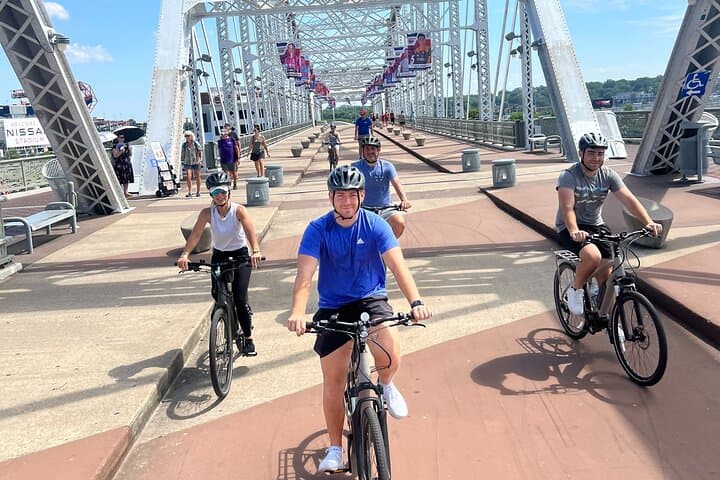
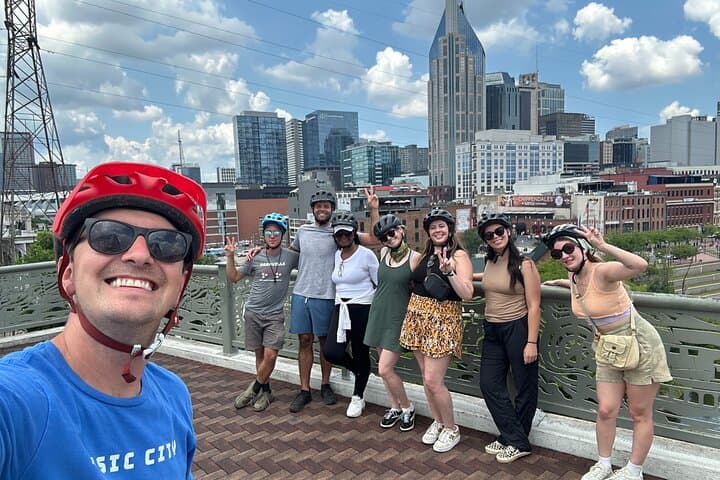
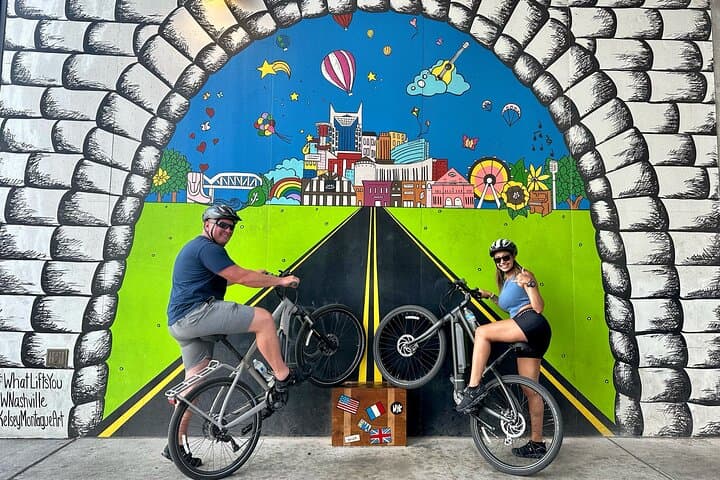
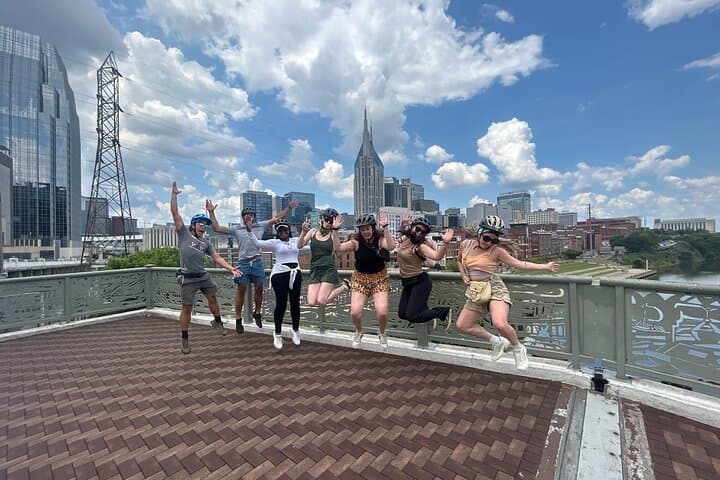
The first warm gust comes off the Cumberland as the group rolls out from Marathon Village—old brick factory walls on one side, rows of gleaming pedal‑assist e‑bikes lined up on the sidewalk. For the next two and a half hours the city becomes a moving postcard: murals and warehouses, a ribbon of river seen from the pedestrian bridge, the buzz of Broadway’s honky‑tonks ahead. Guides steer the pace, handing out context as much as instructions—when to coast, when to snap a photo, the short blocks where the best murals hide.
Verified experiences and guided adventures in the surrounding area.
Operated by Music City Adventure Company · Nashville, Tennessee
The first warm gust comes off the Cumberland as the group rolls out from Marathon Village—old brick factory walls on one side, rows of gleaming pedal‑assist e‑bikes lined up on the sidewalk. For the next two and a half hours the city becomes a moving postcard: murals and warehouses, a ribbon of river seen from the pedestrian bridge, the buzz of Broadway’s honky‑tonks ahead. Guides steer the pace, handing out context as much as instructions—when to coast, when to snap a photo, the short blocks where the best murals hide.
Nashville’s landscape is less about elevation and more about layers of time. Marathon Village itself began life as the 1907 Marathon Motor Works, a reminder of the city’s industrial turn before music shaped its identity. Crossing the pedestrian bridge, riders look down on the Cumberland—always in motion, daring the skyline to keep up. The Gulch’s warehouses, once the backbone of a 19th‑century shipment economy, now display high‑rise condos and commissioned street art; Germantown’s brick sidewalks recall German immigrants who planted this neighborhood in the 1850s.
Culturally, the ride stitches together two faces of Nashville: the music industry’s shining institutions—Country Music Hall of Fame, Ryman Auditorium—and the grassroots spots where touring bands still cut their teeth. Stops at Bicentennial Mall and the Farmers Market add civic and culinary context: plaques and monuments that map Tennessee’s geography and food stalls serving the state’s flavors.
Practically, the route is forgiving. Expect mostly paved streets, protected bike lanes in some sections, and gentle ramps on the pedestrian bridge—total distance roughly 8–10 miles depending on detours. The pedal‑assist e‑bikes handle short bursts of city traffic and let riders tailor exertion: someone can zip past a hill with a single thumb while another enjoys a light workout.
Bring a charged phone and pocket cash for the farmers market or a quick coffee. Helmets are provided, but comfortable closed‑toe shoes and layered clothing make stops more pleasant when a late afternoon breeze cuts through downtown.
This tour is ideal for visitors who want a quick, ground‑level orientation to Nashville without the confinement of a bus. It’s equal parts urban history lesson, public‑art gallery, and a breezy outdoor jaunt—practical, moving, and perfectly tuned to the rhythm of Music City.
moderate.
2–3 hours.
Moderate fitness; able to ride a bike for ~2.5 hours with short stops and some city traffic negotiation
The tour runs about 2.5 hours and covers roughly 8–10 miles, depending on group pace and any short detours.
Yes—helmets are provided, though many guests bring their own for fit and comfort.
Yes—guides give a safety briefing and e‑bike pedal‑assist makes it easy for beginners to control speed.
The minimum age for this e‑bike tour is 15 years old.
Small daypacks are fine; large luggage is not recommended. Take only essentials to keep balance easy on the bike.
Tours may be canceled for heavy rain or unsafe conditions; check cancellation policy and reschedule or get a full refund if canceled 24+ hours in advance.
Marathon Village began as the Marathon Motor Works factory in the early 1900s; the area later transitioned from industrial hub to creative and commercial district.
Stick to bike lanes and public paths; Nashville’s river corridors and parks rely on visitors to pack out trash and respect native plantings.
Music City Adventure Company operates guided outdoor trips and adventures with an emphasis on safety, stewardship, and memorable experiences.
The first warm gust comes off the Cumberland as the group rolls out from Marathon Village—old brick factory walls on one side, rows of gleaming pedal‑assist e‑bikes lined up on the sidewalk. For the next two and a half hours the city becomes a moving postcard: murals and warehouses, a ribbon of river seen from the pedestrian bridge, the buzz of Broadway’s honky‑tonks ahead. Guides steer the pace, handing out context as much as instructions—when to coast, when to snap a photo, the short blocks where the best murals hide.
The first warm gust comes off the Cumberland as the group rolls out from Marathon Village—old brick factory walls on one side, rows of gleaming pedal‑assist e‑bikes lined up on the sidewalk. For the next two and a half hours the city becomes a moving postcard: murals and warehouses, a ribbon of river seen from the pedestrian bridge, the buzz of Broadway’s honky‑tonks ahead. Guides steer the pace, handing out context as much as instructions—when to coast, when to snap a photo, the short blocks where the best murals hide.
Nashville’s landscape is less about elevation and more about layers of time. Marathon Village itself began life as the 1907 Marathon Motor Works, a reminder of the city’s industrial turn before music shaped its identity. Crossing the pedestrian bridge, riders look down on the Cumberland—always in motion, daring the skyline to keep up. The Gulch’s warehouses, once the backbone of a 19th‑century shipment economy, now display high‑rise condos and commissioned street art; Germantown’s brick sidewalks recall German immigrants who planted this neighborhood in the 1850s.
Culturally, the ride stitches together two faces of Nashville: the music industry’s shining institutions—Country Music Hall of Fame, Ryman Auditorium—and the grassroots spots where touring bands still cut their teeth. Stops at Bicentennial Mall and the Farmers Market add civic and culinary context: plaques and monuments that map Tennessee’s geography and food stalls serving the state’s flavors.
Practically, the route is forgiving. Expect mostly paved streets, protected bike lanes in some sections, and gentle ramps on the pedestrian bridge—total distance roughly 8–10 miles depending on detours. The pedal‑assist e‑bikes handle short bursts of city traffic and let riders tailor exertion: someone can zip past a hill with a single thumb while another enjoys a light workout.
Bring a charged phone and pocket cash for the farmers market or a quick coffee. Helmets are provided, but comfortable closed‑toe shoes and layered clothing make stops more pleasant when a late afternoon breeze cuts through downtown.
This tour is ideal for visitors who want a quick, ground‑level orientation to Nashville without the confinement of a bus. It’s equal parts urban history lesson, public‑art gallery, and a breezy outdoor jaunt—practical, moving, and perfectly tuned to the rhythm of Music City.