THE ADVENTURE COLLECTIVE® · Independent discovery and booking for outdoor travel

A 17-day expedition into the seldom-visited Narphu Valley north of the Annapurna Circuit. Expect high passes, Tibetan-influenced villages, and multi-day teahouse trekking with demanding altitude gain.
A 17-day expedition into the seldom-visited Narphu Valley north of the Annapurna Circuit. Expect high passes, Tibetan-influenced villages, and multi-day teahouse trekking with demanding altitude gain.
You step out of a thin-air morning where the trail narrows to a ribbon of rock and lichen, the Nar Khola daring you to follow it north. Forest gives way to blasted moraine and then to villages perched like careful thoughts against a skyline of serrated peaks. Yak bells punctuate the silence as you gain altitude toward Phu and Nar, places where prayer flags argue with the wind and the stone gompas answer back.
Verified experiences and guided adventures in the surrounding area.
Operated by himalayan sanctuary adventure private limited · Manang, Gandaki Province
You step out of a thin-air morning where the trail narrows to a ribbon of rock and lichen, the Nar Khola daring you to follow it north. Forest gives way to blasted moraine and then to villages perched like careful thoughts against a skyline of serrated peaks. Yak bells punctuate the silence as you gain altitude toward Phu and Nar, places where prayer flags argue with the wind and the stone gompas answer back.
This route threads through the lesser-traveled north of the Annapurna Circuit and crosses technical high passes—most notably Kang La at 5,320 m—before dropping into Manang. Geologically, the valley shows raw uplifts, glacial scours and layered metamorphic beds; culturally the area is Himalayan-Tibetan, with compact villages, multi-tiered chortens and a monastic routine unchanged since the mid-20th century when western explorers first mapped these ridgelines. Few trekkers visited before restricted-access rules eased in the early 2000s, so the trail still feels like an expedition rather than a thoroughfare.
Practical guidance: plan for 17 days with multiple long walking days and rest/acclimatization breaks in Phu/Manang. Expect rocky, exposed terrain with sections of scree and short glacier approaches to alpine basins; Kang La is a demanding day requiring early starts and careful footing. Lodges are basic teahouses—pack a warm sleeping bag, midweight layers, and a reliable water-treatment method. Hydrate on schedule, move slowly on ascents, and carry copies of your permits (TIMS and restricted-area permits). Weather shifts quickly; mornings are cold and afternoons can cloud in. Respect local customs at gompas and minimize waste: the valley’s remoteness makes every leftover an environmental problem.
difficult.
17 days.
You should have strong aerobic fitness, experience with multi-day mountain trekking, and the ability to hike 6–9 hours on uneven terrain at altitude.
Pre-monsoon spring (April–May) and post-monsoon autumn (late Sept–Nov) offer the most stable weather and clear mountain views; monsoon brings heavy rain and winter brings deep snow and closed passes.
Yes—TIMS and restricted-area permits are required for Narphu, plus national park/conservation fees; your operator usually arranges these before departure.
Kang La at ~5,320 m is a long, steep day with loose scree and potential snow; competent hikers who acclimatize can complete it, but it’s strenuous and exposed.
Teahouse lodges provide basic private or shared rooms, simple hot meals, and local hospitality; expect rustic facilities and communal dining.
The Narphu region opened to foreign trekkers only in the early 2000s; earlier exploration in the mid-20th century charted many high passes and monastic routes tied to Tibetan Buddhism.
This remote valley is sensitive to litter and human waste; practice pack-in/pack-out and support local conservation fees that fund trail maintenance and waste management.
himalayan sanctuary adventure private limited operates guided outdoor trips and adventures with an emphasis on safety, stewardship, and memorable experiences.
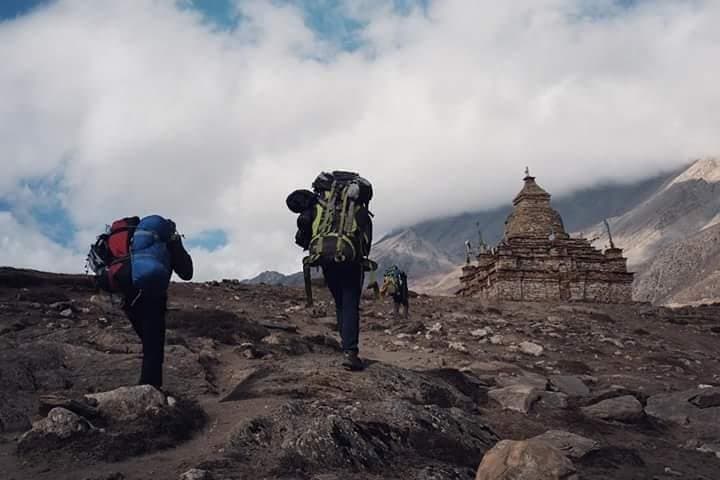
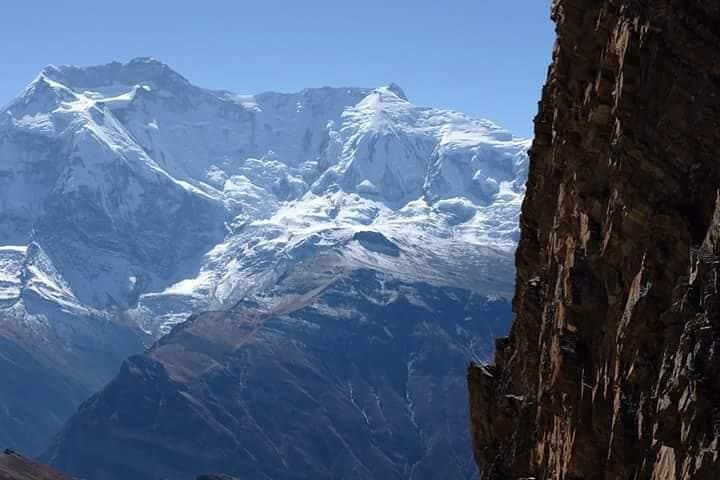
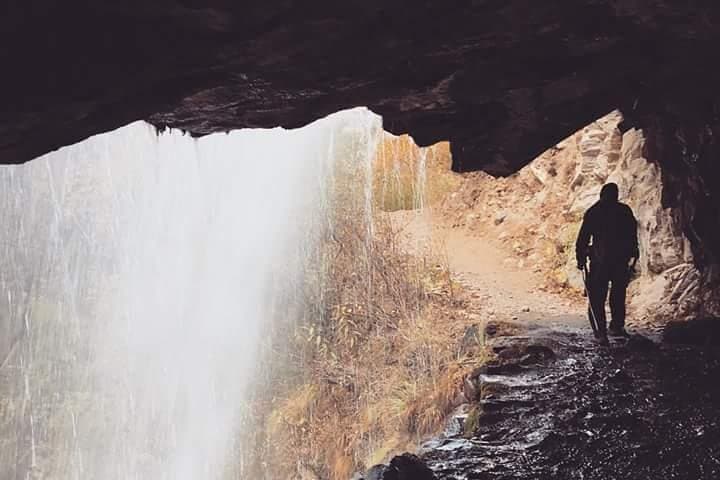
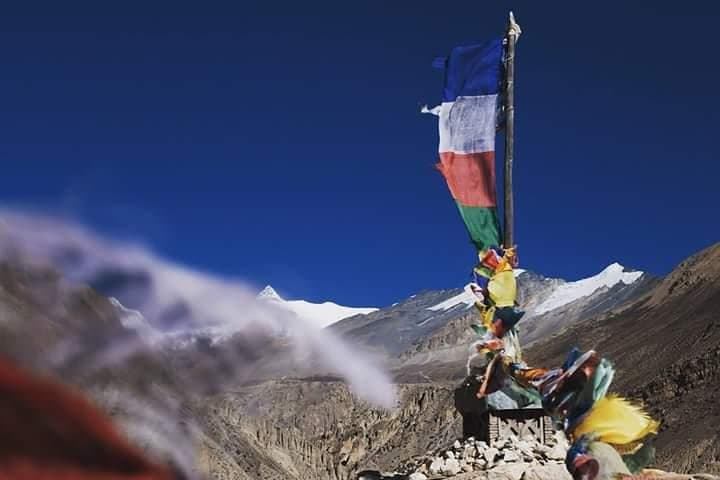
You step out of a thin-air morning where the trail narrows to a ribbon of rock and lichen, the Nar Khola daring you to follow it north. Forest gives way to blasted moraine and then to villages perched like careful thoughts against a skyline of serrated peaks. Yak bells punctuate the silence as you gain altitude toward Phu and Nar, places where prayer flags argue with the wind and the stone gompas answer back.
You step out of a thin-air morning where the trail narrows to a ribbon of rock and lichen, the Nar Khola daring you to follow it north. Forest gives way to blasted moraine and then to villages perched like careful thoughts against a skyline of serrated peaks. Yak bells punctuate the silence as you gain altitude toward Phu and Nar, places where prayer flags argue with the wind and the stone gompas answer back.
This route threads through the lesser-traveled north of the Annapurna Circuit and crosses technical high passes—most notably Kang La at 5,320 m—before dropping into Manang. Geologically, the valley shows raw uplifts, glacial scours and layered metamorphic beds; culturally the area is Himalayan-Tibetan, with compact villages, multi-tiered chortens and a monastic routine unchanged since the mid-20th century when western explorers first mapped these ridgelines. Few trekkers visited before restricted-access rules eased in the early 2000s, so the trail still feels like an expedition rather than a thoroughfare.
Practical guidance: plan for 17 days with multiple long walking days and rest/acclimatization breaks in Phu/Manang. Expect rocky, exposed terrain with sections of scree and short glacier approaches to alpine basins; Kang La is a demanding day requiring early starts and careful footing. Lodges are basic teahouses—pack a warm sleeping bag, midweight layers, and a reliable water-treatment method. Hydrate on schedule, move slowly on ascents, and carry copies of your permits (TIMS and restricted-area permits). Weather shifts quickly; mornings are cold and afternoons can cloud in. Respect local customs at gompas and minimize waste: the valley’s remoteness makes every leftover an environmental problem.