THE ADVENTURE COLLECTIVE® · Independent discovery and booking for outdoor travel

A day on the Naromoru route climbs through forest, moorland, and rare alpine vegetation on the flanks of Mount Kenya. Expect sharp altitude shifts, dramatic views, and a full day of steady hiking guided by a licensed local guide.
A day on the Naromoru route climbs through forest, moorland, and rare alpine vegetation on the flanks of Mount Kenya. Expect sharp altitude shifts, dramatic views, and a full day of steady hiking guided by a licensed local guide.
You step off the transfer and the air changes — cooler, thinner, edged with the scent of wet heather. The Naromoru route climbs through shifting belts of vegetation: dense montane forest gives way to moorland hummocks, then to the stunted alpine heathers and giant lobelias that stake their claim above the treeline.
Verified experiences and guided adventures in the surrounding area.
Operated by Kilimanjaro Safaris · Naro Moru, Nyeri County
You step off the transfer and the air changes — cooler, thinner, edged with the scent of wet heather. The Naromoru route climbs through shifting belts of vegetation: dense montane forest gives way to moorland hummocks, then to the stunted alpine heathers and giant lobelias that stake their claim above the treeline.
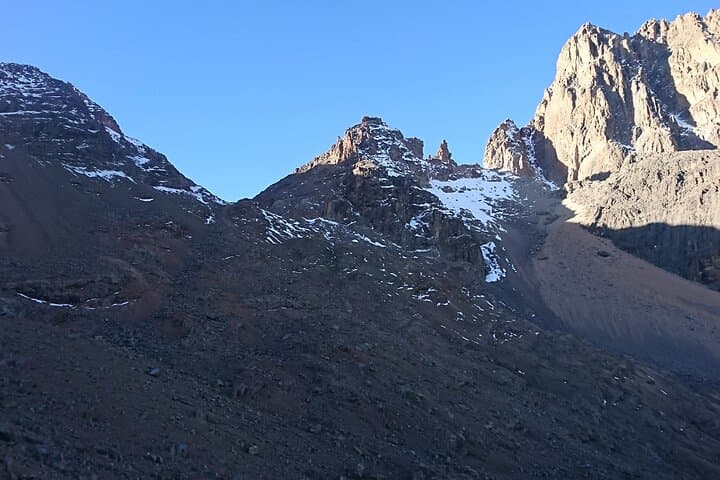
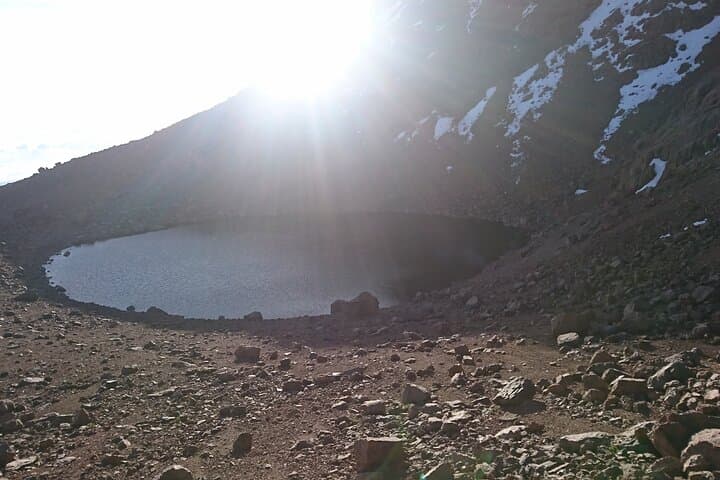
Geology here is blunt and honest: Mount Kenya is an eroded stratovolcano whose hard, ancient core now wears craggy summits and glaciated cirques. Human history is layered too — local Kikuyu communities have long regarded the peaks as important places, and early European explorers mapped the ridgelines in the late 19th and early 20th centuries. Today the route through Mount Kenya National Park balances conservation with access, offering close views of endemic plants and the park’s fragile alpine soils.
On a day hike expect dramatic temperature swings, panoramic views toward Nanyuki and the Laikipia plateau, and close-up encounters with unique flora — giant groundsels and lobelias rise like sculptures against stone. The trail alternates steep pitches and rolling sections; you’ll gain altitude quickly then descend, so pacing is key.
Practical guidance: start early to catch clear air, layer for rapid cooling above 3,000–4,000 m, and carry 2–3 liters of water and sun protection. Wear sturdy boots with ankle support for stony, sometimes boggy ground. A licensed guide (typically included) will manage permitting and route choices; let them set a steady pace. This is a full-day, physically demanding outing but accessible to hikers in good basic fitness who prepare for altitude and variable weather.
moderate.
9 hours.
Suitable for hikers with moderate fitness who can handle steady climbs and altitude change; expect several sustained ascents and descents.
You should have moderate fitness—able to hike for several hours with steady climbs and descents; prior day-hiking experience is helpful.
Licensed guides are typically provided and manage park access; the tour package usually includes park fees and permits.
Weather is changeable: mornings are often clear, afternoons can bring clouds and rain, and temperatures drop significantly above 3,000 m.
Yes — many operators run private day tours from Nairobi, but expect early departures and a long day due to road travel to the trailhead.
Mount Kenya was named by local Maasai and Kikuyu peoples and later surveyed by European explorers; the park was designated in 1949 to protect its unique alpine ecosystems.
The high-altitude vegetation is fragile and erosive; stick to established trails to prevent permanent damage and carry out all waste to protect water sources.
Kilimanjaro Safaris operates guided outdoor trips and adventures with an emphasis on safety, stewardship, and memorable experiences.

You step off the transfer and the air changes — cooler, thinner, edged with the scent of wet heather. The Naromoru route climbs through shifting belts of vegetation: dense montane forest gives way to moorland hummocks, then to the stunted alpine heathers and giant lobelias that stake their claim above the treeline.
You step off the transfer and the air changes — cooler, thinner, edged with the scent of wet heather. The Naromoru route climbs through shifting belts of vegetation: dense montane forest gives way to moorland hummocks, then to the stunted alpine heathers and giant lobelias that stake their claim above the treeline.
Geology here is blunt and honest: Mount Kenya is an eroded stratovolcano whose hard, ancient core now wears craggy summits and glaciated cirques. Human history is layered too — local Kikuyu communities have long regarded the peaks as important places, and early European explorers mapped the ridgelines in the late 19th and early 20th centuries. Today the route through Mount Kenya National Park balances conservation with access, offering close views of endemic plants and the park’s fragile alpine soils.
On a day hike expect dramatic temperature swings, panoramic views toward Nanyuki and the Laikipia plateau, and close-up encounters with unique flora — giant groundsels and lobelias rise like sculptures against stone. The trail alternates steep pitches and rolling sections; you’ll gain altitude quickly then descend, so pacing is key.
Practical guidance: start early to catch clear air, layer for rapid cooling above 3,000–4,000 m, and carry 2–3 liters of water and sun protection. Wear sturdy boots with ankle support for stony, sometimes boggy ground. A licensed guide (typically included) will manage permitting and route choices; let them set a steady pace. This is a full-day, physically demanding outing but accessible to hikers in good basic fitness who prepare for altitude and variable weather.