THE ADVENTURE COLLECTIVE® · Independent discovery and booking for outdoor travel

Turn a long transit into a cultural half-day: explore 1,000-year-old Shinshoji Temple, stroll Edo-era Omotesando shops, and unwind in Naritasan Park with a national licensed guide. Ideal for travelers with 4–6 hours between flights.
Turn a long transit into a cultural half-day: explore 1,000-year-old Shinshoji Temple, stroll Edo-era Omotesando shops, and unwind in Naritasan Park with a national licensed guide. Ideal for travelers with 4–6 hours between flights.
You step out of Narita’s arrival gate and the city arrives with you — the hum of luggage wheels, the hiss of trains on the distance, and a licensed guide waiting with a polite bow. Within an hour you’re on a local train, the Kanto plain flattening into the low-slung roofs of Narita town. The path to Naritasan Shinshoji Temple unfolds like a living street museum: carved gates, the steady clack of geta replaced by modern footsteps, and the scent of grilled eel and sweet snacks drifting from shop fronts.
Verified experiences and guided adventures in the surrounding area.
Operated by MY Travel Consulting · Narita, Chiba
You step out of Narita’s arrival gate and the city arrives with you — the hum of luggage wheels, the hiss of trains on the distance, and a licensed guide waiting with a polite bow. Within an hour you’re on a local train, the Kanto plain flattening into the low-slung roofs of Narita town. The path to Naritasan Shinshoji Temple unfolds like a living street museum: carved gates, the steady clack of geta replaced by modern footsteps, and the scent of grilled eel and sweet snacks drifting from shop fronts.
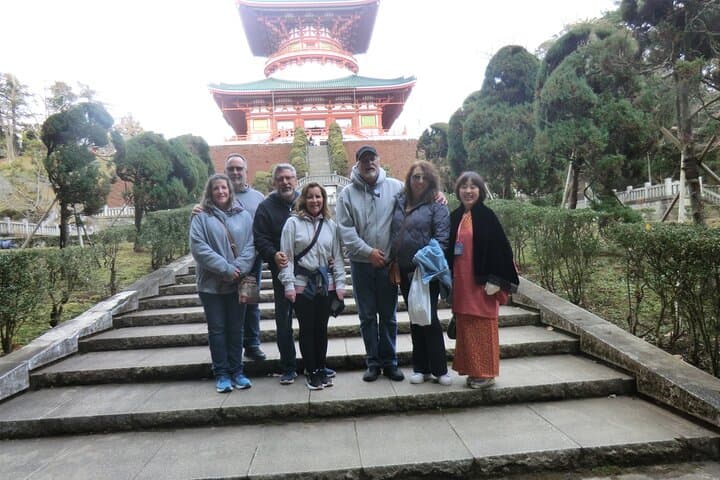
Shinshoji has stood for more than a thousand years, a focal point of Soto Buddhism whose Niomon Gate and three-story pagoda are registered cultural properties. The approach, Omotesando, keeps an Edo-period rhythm: family-run shops, sake lockers, and craftsmen serving travelers as they have since the 1600s. Naritasan Park, with its koi-filled ponds and maple-dotted hills, offers a green counterpoint — ponds reflect clouds and the wind seems to push your thoughts along the paths.
Practically: plan 4–6 hours, bring cash for small vendors, and aim to finish temple visits by 16:00 when the main halls close. The tour uses public transport and gentle walking; comfortable shoes and an IC transit card (Suica/Pasmo) make the day flow. Guides can arrange sake tastings and local bites; if your layover is shorter, ask the operator for a focused itinerary that skips the park and concentrates on the temple and Omotesando stalls.
moderate.
4–6 hours.
Moderate — able to walk several kilometers on mixed pavement and slight inclines.
Yes — the national licensed guide meets you at your designated arrival gate; confirm terminal and arrival time when booking.
The standard tour is 4–6 hours; contact the operator for a condensed option if your layover is under four hours.
Admission is generally not required for the main temple grounds, but certain inner sanctuaries or special exhibits may charge separate fees.
Tastings and meals are usually pay-as-you-go unless specified; the guide can recommend locations and handle logistics.
Shinshoji was founded over 1,000 years ago and the surrounding town prospered as a temple town through the Edo period.
Stay on designated paths in Naritasan Park, avoid feeding wildlife, and carry out any trash to protect historic gardens and ponds.
MY Travel Consulting operates guided outdoor trips and adventures with an emphasis on safety, stewardship, and memorable experiences.



You step out of Narita’s arrival gate and the city arrives with you — the hum of luggage wheels, the hiss of trains on the distance, and a licensed guide waiting with a polite bow. Within an hour you’re on a local train, the Kanto plain flattening into the low-slung roofs of Narita town. The path to Naritasan Shinshoji Temple unfolds like a living street museum: carved gates, the steady clack of geta replaced by modern footsteps, and the scent of grilled eel and sweet snacks drifting from shop fronts.
You step out of Narita’s arrival gate and the city arrives with you — the hum of luggage wheels, the hiss of trains on the distance, and a licensed guide waiting with a polite bow. Within an hour you’re on a local train, the Kanto plain flattening into the low-slung roofs of Narita town. The path to Naritasan Shinshoji Temple unfolds like a living street museum: carved gates, the steady clack of geta replaced by modern footsteps, and the scent of grilled eel and sweet snacks drifting from shop fronts.
Shinshoji has stood for more than a thousand years, a focal point of Soto Buddhism whose Niomon Gate and three-story pagoda are registered cultural properties. The approach, Omotesando, keeps an Edo-period rhythm: family-run shops, sake lockers, and craftsmen serving travelers as they have since the 1600s. Naritasan Park, with its koi-filled ponds and maple-dotted hills, offers a green counterpoint — ponds reflect clouds and the wind seems to push your thoughts along the paths.
Practically: plan 4–6 hours, bring cash for small vendors, and aim to finish temple visits by 16:00 when the main halls close. The tour uses public transport and gentle walking; comfortable shoes and an IC transit card (Suica/Pasmo) make the day flow. Guides can arrange sake tastings and local bites; if your layover is shorter, ask the operator for a focused itinerary that skips the park and concentrates on the temple and Omotesando stalls.