THE ADVENTURE COLLECTIVE® · Independent discovery and booking for outdoor travel

A compact, high-adrenaline half-day rafting trip on the Naranjo River that pushes through jungle gorges and Class III–IV rapids. Ideal for fit paddlers who want technical whitewater near Quepos and Manuel Antonio.
A compact, high-adrenaline half-day rafting trip on the Naranjo River that pushes through jungle gorges and Class III–IV rapids. Ideal for fit paddlers who want technical whitewater near Quepos and Manuel Antonio.
The first drop arrives before you can fully register the jungle — the Naranjo River picks up speed and seems to dare you forward. Palm-fringed cliffs close in, water hissing around boulders, and the guide's voice cuts through the spray: paddle left. You feel the river push, the raft buck, and the valley answer with a gull cry.
Verified experiences and guided adventures in the surrounding area.
Operated by Iguana Tours · Quepos, Puntarenas
The first drop arrives before you can fully register the jungle — the Naranjo River picks up speed and seems to dare you forward. Palm-fringed cliffs close in, water hissing around boulders, and the guide's voice cuts through the spray: paddle left. You feel the river push, the raft buck, and the valley answer with a gull cry.
Geologically the Naranjo slices down from Costa Rica's volcanic foothills, carving tight gorges and exposing layered basalt and river-smoothed boulders. The river corridor has supported local farms and small settlements for generations; today rafting outfits thread visitor access with respect to private land and riparian communities.
The run delivers a concentrated sequence of Class III–IV rapids, punctuated by calmer eddies where toucans and howler monkeys watch from the canopy. Expect technical paddling, quick current decisions, and the occasional swim — the river is lively and opinionated.
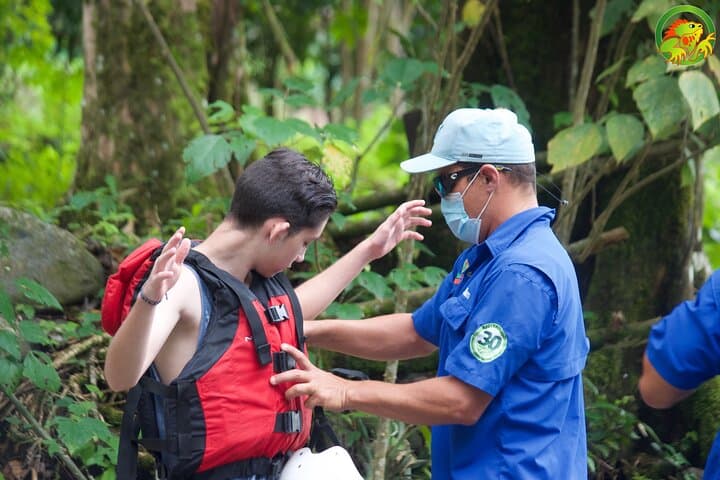
Practical guidance: this is a half-day trip (about four hours total including transport). Operators typically provide helmets, life jackets, and paddles; arrive in quick-drying clothes, secure footwear, and sunscreen rated for water exposure. Travelers should be comfortable swimming and following guide commands; the minimum age is usually 12 and the physical demand is high.
Timing matters — the dry season narrows channels and eases logistics, the rainy season swells the river for fuller, wilder rapids. Bring a small dry bag for essentials, hydrate before boarding, and plan a relaxed afternoon in Quepos or Manuel Antonio after the adrenaline fades.
challenging.
4 hours.
Good cardiovascular fitness and core strength; comfortable swimming and sustained paddling required.
Minimum age is typically 12 years; children must be accompanied by an adult and meet safety requirements.
Yes—most operators include air-conditioned round-trip transport from Quepos and Manuel Antonio meeting points; confirm pick-up times at booking.
Expect sustained paddling and quick maneuvering through Class III–IV rapids—good fitness and swimming ability are required.
Trips generally run unless unsafe conditions occur; cancellation policies vary, but many operators allow a full refund if you cancel 24+ hours in advance.
The Naranjo River drains the Pacific-facing foothills formed by volcanic uplift; local farms and small communities historically used the corridor for coffee and cattle before rafting operations began.
Operators often limit group sizes, follow Leave No Trace principles, and work with local landowners to protect riverbanks—avoid sunscreens with oxybenzone and pack out waste.
Iguana Tours operates guided outdoor trips and adventures with an emphasis on safety, stewardship, and memorable experiences.
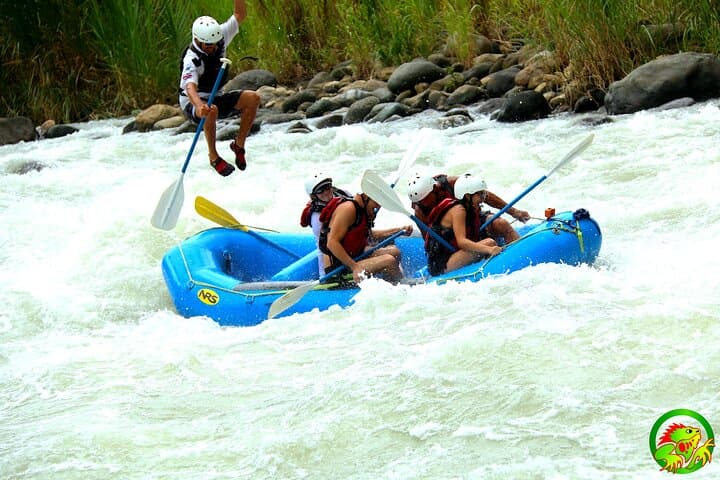
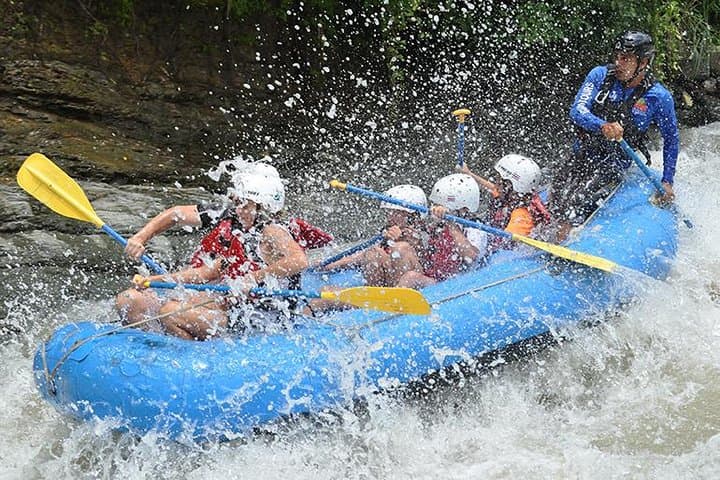
The first drop arrives before you can fully register the jungle — the Naranjo River picks up speed and seems to dare you forward. Palm-fringed cliffs close in, water hissing around boulders, and the guide's voice cuts through the spray: paddle left. You feel the river push, the raft buck, and the valley answer with a gull cry.
The first drop arrives before you can fully register the jungle — the Naranjo River picks up speed and seems to dare you forward. Palm-fringed cliffs close in, water hissing around boulders, and the guide's voice cuts through the spray: paddle left. You feel the river push, the raft buck, and the valley answer with a gull cry.
Geologically the Naranjo slices down from Costa Rica's volcanic foothills, carving tight gorges and exposing layered basalt and river-smoothed boulders. The river corridor has supported local farms and small settlements for generations; today rafting outfits thread visitor access with respect to private land and riparian communities.
The run delivers a concentrated sequence of Class III–IV rapids, punctuated by calmer eddies where toucans and howler monkeys watch from the canopy. Expect technical paddling, quick current decisions, and the occasional swim — the river is lively and opinionated.
Practical guidance: this is a half-day trip (about four hours total including transport). Operators typically provide helmets, life jackets, and paddles; arrive in quick-drying clothes, secure footwear, and sunscreen rated for water exposure. Travelers should be comfortable swimming and following guide commands; the minimum age is usually 12 and the physical demand is high.
Timing matters — the dry season narrows channels and eases logistics, the rainy season swells the river for fuller, wilder rapids. Bring a small dry bag for essentials, hydrate before boarding, and plan a relaxed afternoon in Quepos or Manuel Antonio after the adrenaline fades.