THE ADVENTURE COLLECTIVE® · Independent discovery and booking for outdoor travel

A full-day Class III–IV rafting trip on Costa Rica’s Naranjo River, with hotel pickup from Jaco, breakfast and lunch included. Expect punchy whitewater, rainforest wildlife, and a one-hour transfer inland.
A full-day Class III–IV rafting trip on Costa Rica’s Naranjo River, with hotel pickup from Jaco, breakfast and lunch included. Expect punchy whitewater, rainforest wildlife, and a one-hour transfer inland.
The bus pulls away from Jaco and the coastline gives up its salt-scented breeze to a tighter, forested heat. After roughly an hour you can hear the river before you see it — the Naranjo snarls and pushes, its riffles daring you as guides unload rafts and tighten life jackets.
Verified experiences and guided adventures in the surrounding area.
Operated by Tucanes Tours · Jaco, Puntarenas
The bus pulls away from Jaco and the coastline gives up its salt-scented breeze to a tighter, forested heat. After roughly an hour you can hear the river before you see it — the Naranjo snarls and pushes, its riffles daring you as guides unload rafts and tighten life jackets.
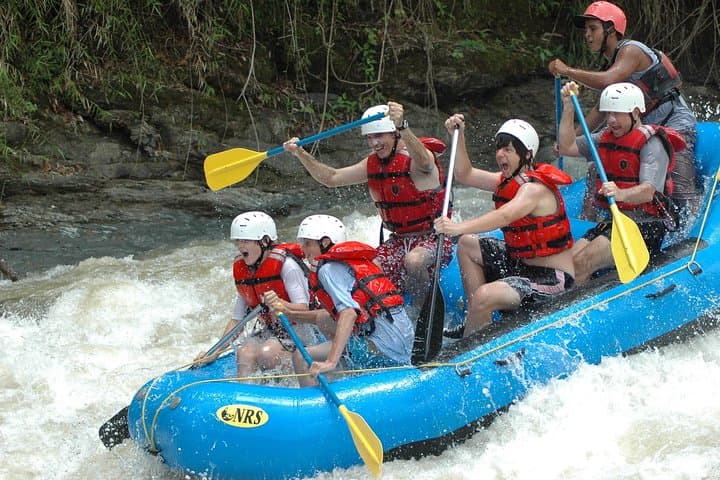
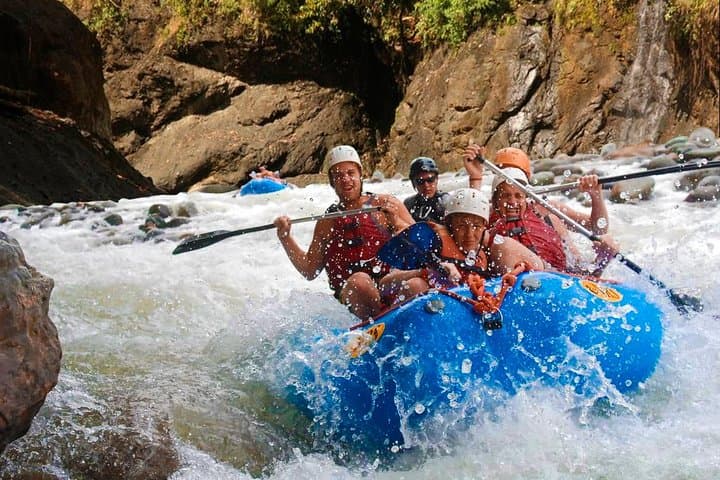
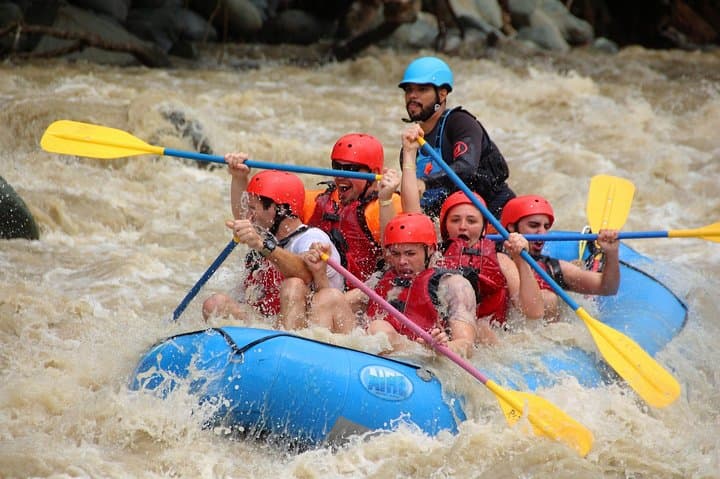
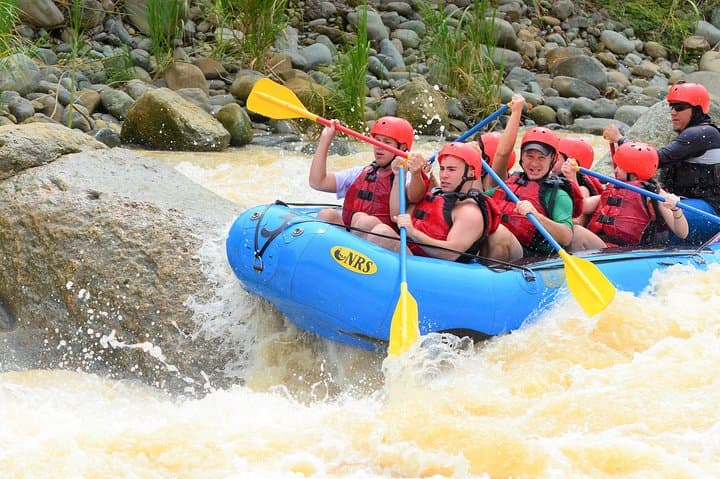
This central Pacific watershed cuts through volcanic soils and older alluvial terraces, creating a compact canyon with short, punchy rapids rated III–IV. Historically the river corridor supported small agricultural settlements and served as a natural corridor between coastal towns; today it’s prized for accessible whitewater and rich wildlife. Toucans and kingfishers flash in the canopy, howler and capuchin monkeys survey from branches, and iguanas warm on sunlit boulders.
The typical day includes hotel pickup in Jaco, a light breakfast, a 45–75 minute transfer to the put-in, guided runs through a mix of technical drops and wave trains, and lunch before the return. Guides brief paddlers on commands and safety; helmets and PFDs are standard. Flow varies with the rainy season — higher water makes rapids more continuous and faster; dry months reduce volume and expose more rocks.
Practicalities: expect a full-day outing (about six hours), bring quick-dry clothing and secure water shoes, and carry a small dry bag for essentials. If you don’t swim well, notify the operator — guided rescues are routine but basic swimming and following guide direction are essential. Go early to avoid heat and maximize wildlife sightings.
challenging.
6 hours.
Moderate cardiovascular fitness and upper-body endurance helpful; participants should be comfortable following instructions and swimming if needed.
The transfer is roughly 45–75 minutes depending on exact pickup location and road conditions; companies typically provide hotel pickup and drop-off.
The run includes Class III–IV rapids — guided teams with mixed experience are common, but novices should be prepared for technical sections and follow guide instructions closely.
Yes — herons, toucans, kingfishers, iguanas and monkeys are commonly seen along the corridor; sightings depend on time of day and season.
Operators often cancel or reschedule in unsafe conditions; this particular trip allows full refunds if canceled at least 24 hours in advance and may cancel for bad weather.
The Naranjo corridor supported small farming communities and remains a local access route between coastal and inland settlements; rafting grew as adventure tourism expanded in the early 2000s.
Respect riparian zones by not leaving trash and avoiding single-use plastics; operators should follow local guidelines to minimize bank erosion and wildlife disturbance.
Tucanes Tours operates guided outdoor trips and adventures with an emphasis on safety, stewardship, and memorable experiences.
The bus pulls away from Jaco and the coastline gives up its salt-scented breeze to a tighter, forested heat. After roughly an hour you can hear the river before you see it — the Naranjo snarls and pushes, its riffles daring you as guides unload rafts and tighten life jackets.
The bus pulls away from Jaco and the coastline gives up its salt-scented breeze to a tighter, forested heat. After roughly an hour you can hear the river before you see it — the Naranjo snarls and pushes, its riffles daring you as guides unload rafts and tighten life jackets.
This central Pacific watershed cuts through volcanic soils and older alluvial terraces, creating a compact canyon with short, punchy rapids rated III–IV. Historically the river corridor supported small agricultural settlements and served as a natural corridor between coastal towns; today it’s prized for accessible whitewater and rich wildlife. Toucans and kingfishers flash in the canopy, howler and capuchin monkeys survey from branches, and iguanas warm on sunlit boulders.
The typical day includes hotel pickup in Jaco, a light breakfast, a 45–75 minute transfer to the put-in, guided runs through a mix of technical drops and wave trains, and lunch before the return. Guides brief paddlers on commands and safety; helmets and PFDs are standard. Flow varies with the rainy season — higher water makes rapids more continuous and faster; dry months reduce volume and expose more rocks.
Practicalities: expect a full-day outing (about six hours), bring quick-dry clothing and secure water shoes, and carry a small dry bag for essentials. If you don’t swim well, notify the operator — guided rescues are routine but basic swimming and following guide direction are essential. Go early to avoid heat and maximize wildlife sightings.