THE ADVENTURE COLLECTIVE® · Independent discovery and booking for outdoor travel

A full-day loop from Osaka that pairs Todai-ji’s monumental Great Buddha and deer-filled Nara Park with the bustling seafood stalls of Wakayama’s Kuroshio Market. Expect temple architecture, coastal flavors, and several short walks over a 9–10 hour day.
A full-day loop from Osaka that pairs Todai-ji’s monumental Great Buddha and deer-filled Nara Park with the bustling seafood stalls of Wakayama’s Kuroshio Market. Expect temple architecture, coastal flavors, and several short walks over a 9–10 hour day.
You step off the coach into a crisp pocket of history: a broad gravel approach, cedar-scented air, and the slow shuffle of deer weaving between visitors and temple gates. This is Nara — where Todai-ji’s monumental Great Buddha fills the sky inside one of the world’s largest wooden halls and ancient religious life still shapes the city’s rhythm.
Verified experiences and guided adventures in the surrounding area.
Operated by TREVOPEDIA · Nara, Nara Prefecture
You step off the coach into a crisp pocket of history: a broad gravel approach, cedar-scented air, and the slow shuffle of deer weaving between visitors and temple gates. This is Nara — where Todai-ji’s monumental Great Buddha fills the sky inside one of the world’s largest wooden halls and ancient religious life still shapes the city’s rhythm.
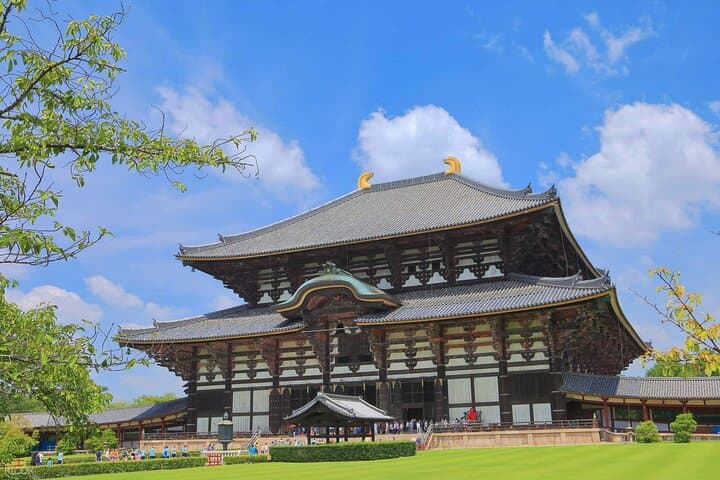
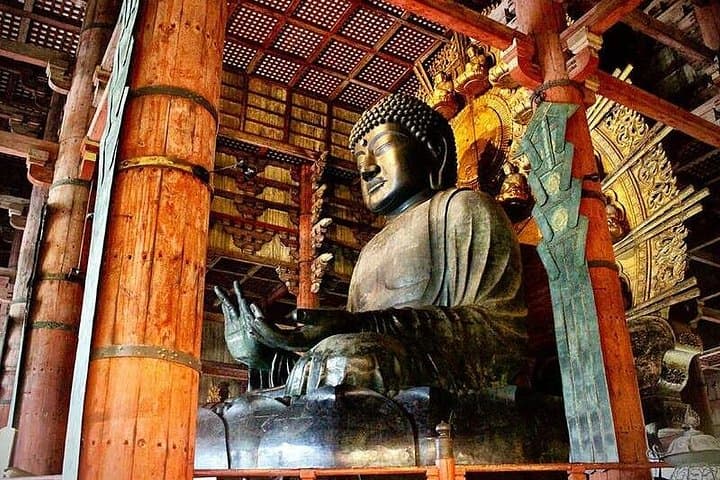
Todai-ji dates to the 8th century and reflects Japan’s early centralized Buddhist project; its Daibutsuden houses the Daibutsu, a 15-meter bronze figure that has drawn pilgrims for over a millennium. Down the lane, Nara Park’s open lawns and forested flanks are geological remnants of the Yoshino-Kumano orogenic zone, with gentle hills that collect fall color and spring blossom displays. The tour then pushes south to Wakayama’s Kuroshio Market, a working seafood hub on the Kii Peninsula where tuna fillets flash under bright lights and local fishermen sell the day’s catch.
Culturally, expect ritual, commerce, and close encounters with tame sika deer — respectful distance and approved deer crackers only. Practically, this is a full-day experience (about 9–10 hours) with several short walks, stair sections in temple complexes, and busy market aisles. Bring layered clothing for shade and coastal breezes, a reusable water bottle, cash for market snacks, and comfortable shoes for gravel and slick wooden floors. Timing matters: arrive at temples early to avoid crowds and save midday for the market when demonstrations and freshest sushi appear.
This tour balances sacred architecture, mellow woodland strolls, and lively coastal food culture — an accessible day that interlaces history and taste.
easy.
9–10 hours.
Basic fitness for several hours of standing and short walks; able to manage stairs and uneven surfaces.
The tour runs about 9–10 hours; exact return time depends on traffic but plan for a late-afternoon or early-evening arrival back in Osaka.
Please refer to the operator for specifics.
The operator lists wheelchair-accessible transportation and many flat areas, but some temple interiors and market ramps may present obstacles — contact the operator to confirm accessibility needs.
This tour is family-friendly; Kuroshio Market offers simple options like rice bowls and grilled items, but those with strict dietary needs should plan ahead or bring snacks.
Todai-ji was completed in the 8th century as a state-sponsored temple housing the Great Buddha, reflecting Nara’s role as an early political and religious capital; Wakayama’s market grew around local fisheries tied to the Kuroshio Current.
Respect wildlife by using designated feeding items and follow market guidance to reduce waste; support stalls that source locally and sustainably when possible.
TREVOPEDIA operates guided outdoor trips and adventures with an emphasis on safety, stewardship, and memorable experiences.
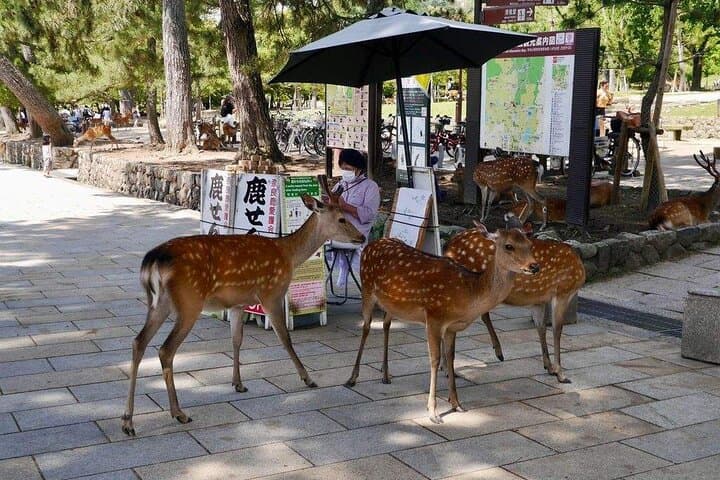
You step off the coach into a crisp pocket of history: a broad gravel approach, cedar-scented air, and the slow shuffle of deer weaving between visitors and temple gates. This is Nara — where Todai-ji’s monumental Great Buddha fills the sky inside one of the world’s largest wooden halls and ancient religious life still shapes the city’s rhythm.
You step off the coach into a crisp pocket of history: a broad gravel approach, cedar-scented air, and the slow shuffle of deer weaving between visitors and temple gates. This is Nara — where Todai-ji’s monumental Great Buddha fills the sky inside one of the world’s largest wooden halls and ancient religious life still shapes the city’s rhythm.
Todai-ji dates to the 8th century and reflects Japan’s early centralized Buddhist project; its Daibutsuden houses the Daibutsu, a 15-meter bronze figure that has drawn pilgrims for over a millennium. Down the lane, Nara Park’s open lawns and forested flanks are geological remnants of the Yoshino-Kumano orogenic zone, with gentle hills that collect fall color and spring blossom displays. The tour then pushes south to Wakayama’s Kuroshio Market, a working seafood hub on the Kii Peninsula where tuna fillets flash under bright lights and local fishermen sell the day’s catch.
Culturally, expect ritual, commerce, and close encounters with tame sika deer — respectful distance and approved deer crackers only. Practically, this is a full-day experience (about 9–10 hours) with several short walks, stair sections in temple complexes, and busy market aisles. Bring layered clothing for shade and coastal breezes, a reusable water bottle, cash for market snacks, and comfortable shoes for gravel and slick wooden floors. Timing matters: arrive at temples early to avoid crowds and save midday for the market when demonstrations and freshest sushi appear.
This tour balances sacred architecture, mellow woodland strolls, and lively coastal food culture — an accessible day that interlaces history and taste.