THE ADVENTURE COLLECTIVE® · Independent discovery and booking for outdoor travel

Cycle among deer and ancient temples in Nara, then ride into Osaka’s neighborhoods for guided tastings that map the city’s history. This full‑day e‑bike and food tour blends easy urban riding with cultural stops and curated meals.
Cycle among deer and ancient temples in Nara, then ride into Osaka’s neighborhoods for guided tastings that map the city’s history. This full‑day e‑bike and food tour blends easy urban riding with cultural stops and curated meals.
You start the day with a cool pedal through Nara Park, e-bike motor humming as sika deer step aside like local hosts. Stone lanterns and cedar trunks press close while your guide threads quiet lanes and points to Todaiji's Great Southern Gate before the first stop — an enormous wooden hall and the Daibutsu inside.
Verified experiences and guided adventures in the surrounding area.
Operated by Japan Tour Adventure · Nara, Nara Prefecture
You start the day with a cool pedal through Nara Park, e-bike motor humming as sika deer step aside like local hosts. Stone lanterns and cedar trunks press close while your guide threads quiet lanes and points to Todaiji's Great Southern Gate before the first stop — an enormous wooden hall and the Daibutsu inside.
This route stitches Japan’s oldest capital to Osaka’s modern energy. Nara was the imperial center in the 8th century; Todaiji and Kasuga Taisha preserve Shinto and Buddhist practices unchanged in form. Geologically, the gently rolling hills here are ancient lowlands carved by rivers, making broad parklands where deer feed and lanterns line mossy paths. In Osaka, the late-19th and 20th-century industrial growth shaped quartiers like Shinsekai and Kyobashi; the city’s food culture—kushikatsu, yakiniku, sushi—tells stories of migration and postwar reinvention.
Practical guidance: expect a full 9-hour day with about 3–4 hours of casual e-biking and several short walks. Bring a charged phone, modest cash for souvenirs, and a compact rain shell; streets are busy and parking is limited. The tour includes e-bikes, entrance fees to Todaiji and a museum, and multi-course tasting sets in Osaka. Arrive 15 minutes early — timing is coordinated with local partners and restaurants. If you’re new to e-bikes, the guide gives a short orientation; helmet use is typical. Pace yourself for food stops: portions are generous and spaced across neighborhoods, leaving room to sample rather than rush.
moderate.
9 hours.
Suitable for travelers with reasonable mobility who can ride an e‑bike for hours and handle short walks and stairs.
No — the e‑bikes assist pedaling and guides keep the group on low‑traffic routes, but basic balance and confidence are helpful.
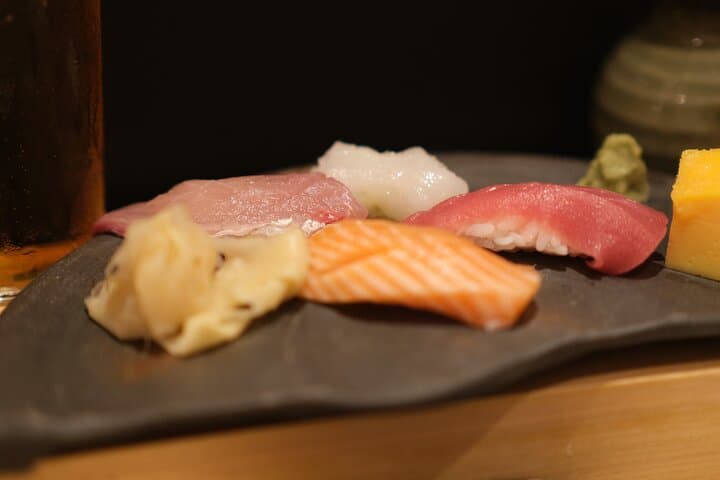
Yes — the tour includes kushikatsu, yakiniku, a sushi set, one drink per set, plus Todaiji and the hidden museum entrance fees.
Children can join but must follow local safety rules and e‑bike age restrictions; check with the operator for minimum ages and helmet requirements.
The tour is commonly offered in English; French is not guaranteed for shared tours — contact the operator for private French tours.
Nara served as Japan’s first permanent capital (710–794 AD); Todaiji’s Great Buddha (Daibutsu) was completed in the 8th century and reflects the city’s central religious role.
Visitors are asked to respect deer feeding rules and shrine grounds; use designated paths and avoid littering to protect fragile moss and temple stonework.
Japan Tour Adventure operates guided outdoor trips and adventures with an emphasis on safety, stewardship, and memorable experiences.
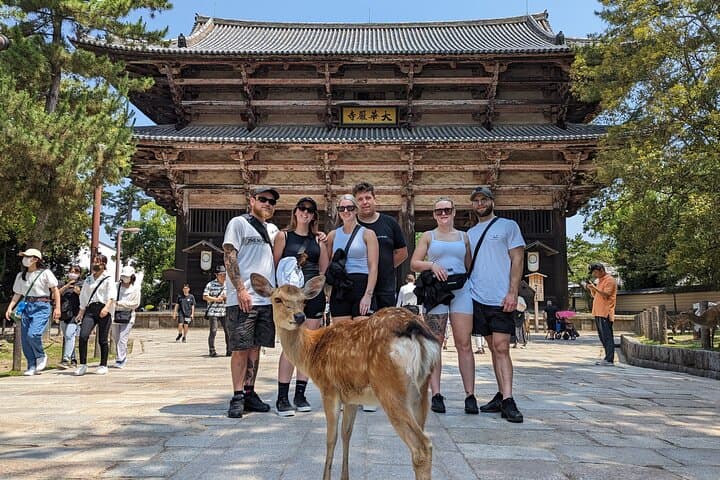
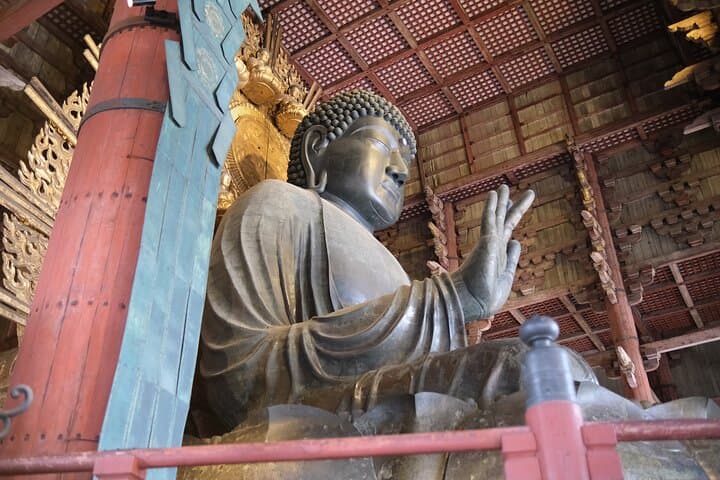
You start the day with a cool pedal through Nara Park, e-bike motor humming as sika deer step aside like local hosts. Stone lanterns and cedar trunks press close while your guide threads quiet lanes and points to Todaiji's Great Southern Gate before the first stop — an enormous wooden hall and the Daibutsu inside.
You start the day with a cool pedal through Nara Park, e-bike motor humming as sika deer step aside like local hosts. Stone lanterns and cedar trunks press close while your guide threads quiet lanes and points to Todaiji's Great Southern Gate before the first stop — an enormous wooden hall and the Daibutsu inside.
This route stitches Japan’s oldest capital to Osaka’s modern energy. Nara was the imperial center in the 8th century; Todaiji and Kasuga Taisha preserve Shinto and Buddhist practices unchanged in form. Geologically, the gently rolling hills here are ancient lowlands carved by rivers, making broad parklands where deer feed and lanterns line mossy paths. In Osaka, the late-19th and 20th-century industrial growth shaped quartiers like Shinsekai and Kyobashi; the city’s food culture—kushikatsu, yakiniku, sushi—tells stories of migration and postwar reinvention.
Practical guidance: expect a full 9-hour day with about 3–4 hours of casual e-biking and several short walks. Bring a charged phone, modest cash for souvenirs, and a compact rain shell; streets are busy and parking is limited. The tour includes e-bikes, entrance fees to Todaiji and a museum, and multi-course tasting sets in Osaka. Arrive 15 minutes early — timing is coordinated with local partners and restaurants. If you’re new to e-bikes, the guide gives a short orientation; helmet use is typical. Pace yourself for food stops: portions are generous and spaced across neighborhoods, leaving room to sample rather than rush.