THE ADVENTURE COLLECTIVE® · Independent discovery and booking for outdoor travel

Spend a day feeding bowing deer in Nara, touring Tōdai-ji’s monumental Daibutsu, sampling Uji’s famed matcha, and ending with a restorative soak at Genji-no-Yu. This full-day loop balances cultural depth with easy outdoor moments.
Spend a day feeding bowing deer in Nara, touring Tōdai-ji’s monumental Daibutsu, sampling Uji’s famed matcha, and ending with a restorative soak at Genji-no-Yu. This full-day loop balances cultural depth with easy outdoor moments.
A low-slung bus eases out of Osaka as the city’s edge gives way to lawns and temple roofs. By mid-morning you are in Nara Park, where deer thread among visitors with confident curiosity, noses twitching for crackers and pockets. The park’s open grass and the looming bulk of Tōdai-ji make for immediate, tactile history.
Verified experiences and guided adventures in the surrounding area.
Operated by Hotel Takitei · Nara, Nara Prefecture
A low-slung bus eases out of Osaka as the city’s edge gives way to lawns and temple roofs. By mid-morning you are in Nara Park, where deer thread among visitors with confident curiosity, noses twitching for crackers and pockets. The park’s open grass and the looming bulk of Tōdai-ji make for immediate, tactile history.
Nara was Japan’s capital in the 8th century; Tōdai-ji’s Daibutsu — a bronze Buddha over 15 meters tall — anchors a complex of wooden halls and stone lanterns. The geology here is gentle: low volcanic ridges and river plains that shaped ancient travel routes, while Uji downstream developed around the clear, slow current that made tea cultivation ideal.
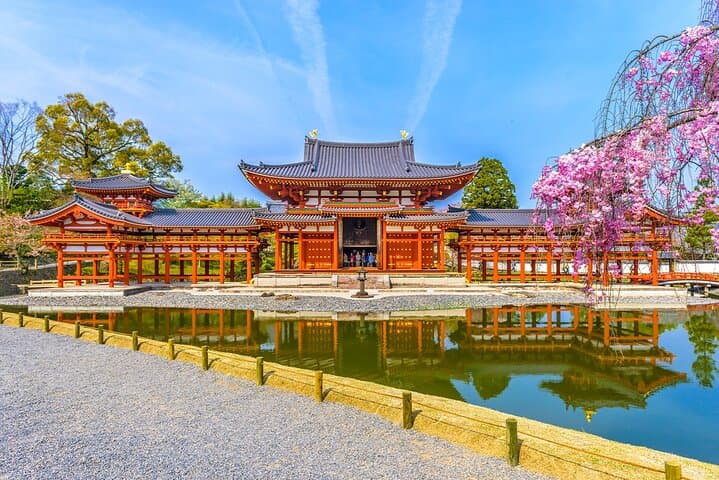
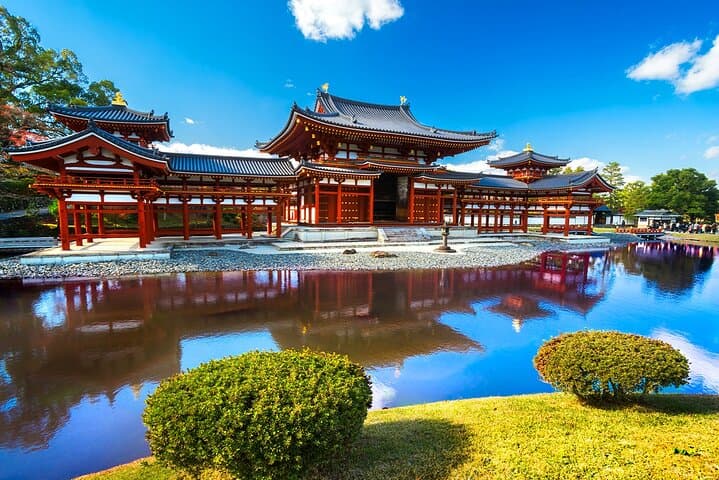
Uji’s Byōdō-in and its omotesandō street focus centuries of tea culture into simplified flavors and refined sweets. Matcha here tastes of water, soil, and hands trained in centuries of craft. The day finishes at Genji-no-Yu, a spring-fed onsen whose water rises from deep underground; the pools push heat into bone and slow the day’s pace.
Practical guidance: arrive with cash for small vendors, wear comfortable shoes and modest layers for temple steps and river breezes, and leave tattoos covered or expect to skip the onsen. The pace is gentle but full—expect about nine hours with multiple short walks, stairs at temple sites, and time to sample matcha. Early departures from Osaka mean a full daylight loop; plan for crowds at peak season and bring hydration for warm months.
easy.
9 hours.
Suitable for most travelers comfortable with multiple short walks and some stair climbs; no strenuous fitness required.
Admission to some sites and the onsen entrance fee are not included; the tour covers transportation, guide, and pickup as listed.
Most onsen in Japan prohibit visible tattoos; coverings may be allowed but check with the guide and be prepared to forgo the bath if required.
Yes, but supervise closely—deer can be bold and may nibble clothing or food; buy official crackers and follow guide instructions.
The meeting point is Nipponbashi Exit 2 (Namba/Shinsaibashi area); arrive 15 minutes early. Late arrivals may miss the tour with no refund.
Nara served as Japan’s first permanent capital in the 8th century; Tōdai-ji was a national project that centralized Buddhism and state power, housing the iconic Daibutsu.
Deer in Nara are protected and feeding is managed—use designated crackers and follow guidelines; hot springs and tea farms prioritize sustainable water and land use, so minimize waste and respect local rules.
Hotel Takitei operates guided outdoor trips and adventures with an emphasis on safety, stewardship, and memorable experiences.
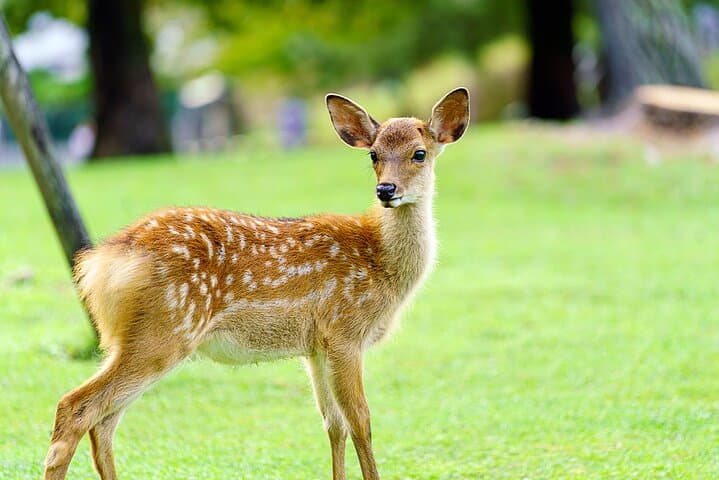
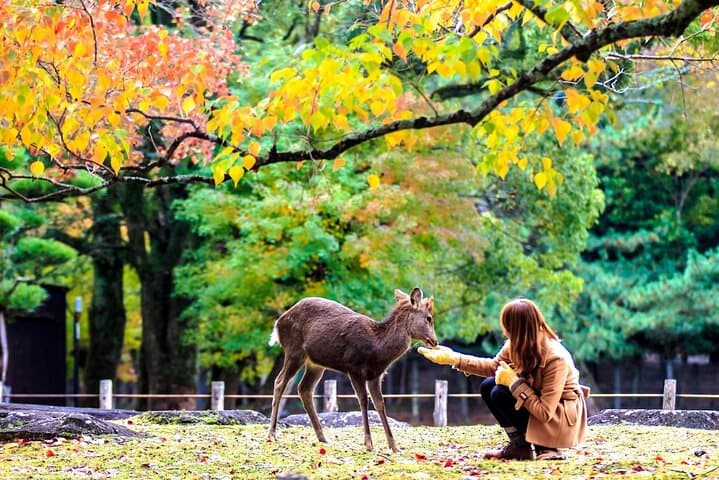
A low-slung bus eases out of Osaka as the city’s edge gives way to lawns and temple roofs. By mid-morning you are in Nara Park, where deer thread among visitors with confident curiosity, noses twitching for crackers and pockets. The park’s open grass and the looming bulk of Tōdai-ji make for immediate, tactile history.
A low-slung bus eases out of Osaka as the city’s edge gives way to lawns and temple roofs. By mid-morning you are in Nara Park, where deer thread among visitors with confident curiosity, noses twitching for crackers and pockets. The park’s open grass and the looming bulk of Tōdai-ji make for immediate, tactile history.
Nara was Japan’s capital in the 8th century; Tōdai-ji’s Daibutsu — a bronze Buddha over 15 meters tall — anchors a complex of wooden halls and stone lanterns. The geology here is gentle: low volcanic ridges and river plains that shaped ancient travel routes, while Uji downstream developed around the clear, slow current that made tea cultivation ideal.
Uji’s Byōdō-in and its omotesandō street focus centuries of tea culture into simplified flavors and refined sweets. Matcha here tastes of water, soil, and hands trained in centuries of craft. The day finishes at Genji-no-Yu, a spring-fed onsen whose water rises from deep underground; the pools push heat into bone and slow the day’s pace.
Practical guidance: arrive with cash for small vendors, wear comfortable shoes and modest layers for temple steps and river breezes, and leave tattoos covered or expect to skip the onsen. The pace is gentle but full—expect about nine hours with multiple short walks, stairs at temple sites, and time to sample matcha. Early departures from Osaka mean a full daylight loop; plan for crowds at peak season and bring hydration for warm months.