THE ADVENTURE COLLECTIVE® · Independent discovery and booking for outdoor travel

Spend a private day from Kyoto exploring Nara’s open parklands, meet the free-roaming Sika deer, and visit Todaiji’s Great Buddha and Kasuga Taisha’s lantern-lined shrine. This guide covers what to expect, cultural context, and practical tips to enjoy an eight-hour cultural walk.
Spend a private day from Kyoto exploring Nara’s open parklands, meet the free-roaming Sika deer, and visit Todaiji’s Great Buddha and Kasuga Taisha’s lantern-lined shrine. This guide covers what to expect, cultural context, and practical tips to enjoy an eight-hour cultural walk.
Step off the express train into a city where open lawns meet temple gates and deer wander like casual locals. The air in Nara Park carries the faint scent of cedar and incense; Sika deer lift their heads as if to greet you while the Great Buddha waits at the heart of Todaiji.
Verified experiences and guided adventures in the surrounding area.
Operated by TripGuru · Nara, Nara Prefecture
Step off the express train into a city where open lawns meet temple gates and deer wander like casual locals. The air in Nara Park carries the faint scent of cedar and incense; Sika deer lift their heads as if to greet you while the Great Buddha waits at the heart of Todaiji.
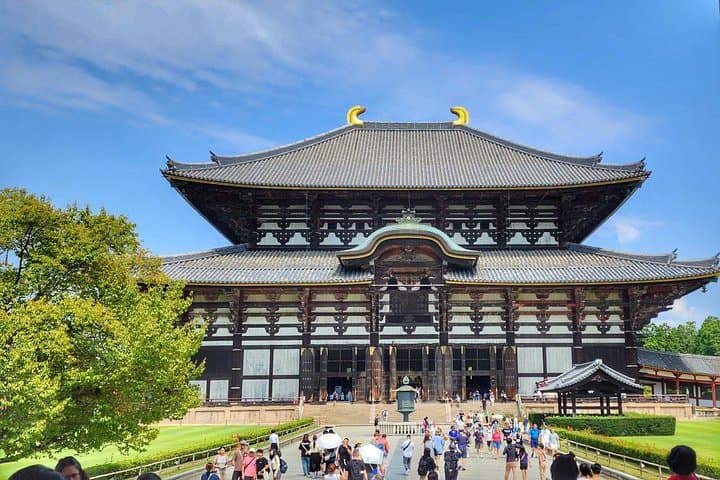
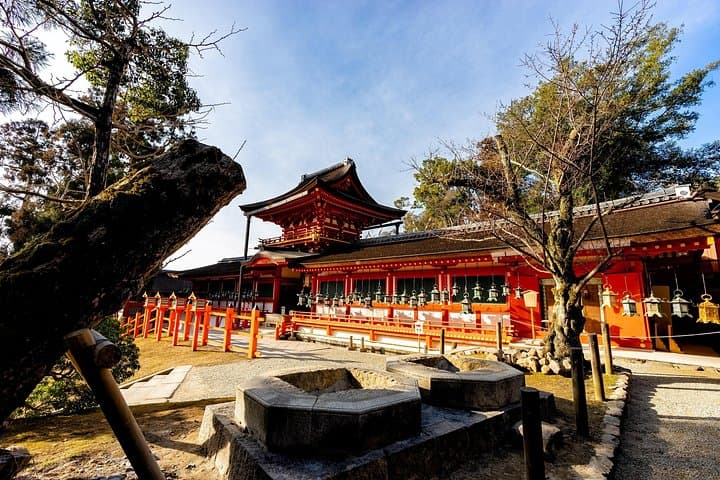
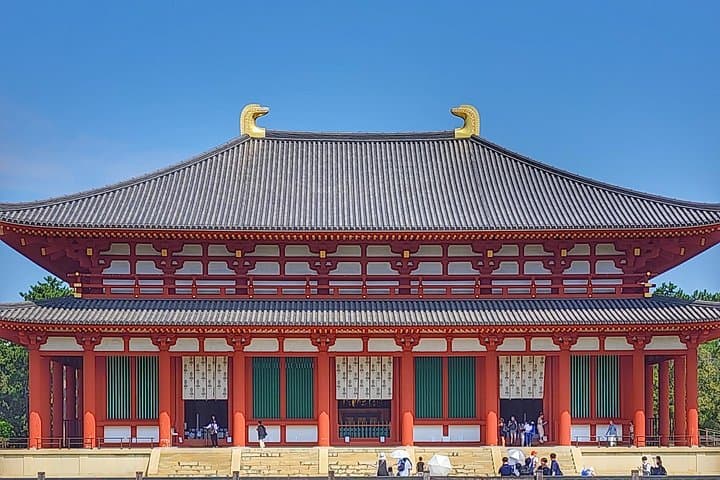
Todaiji sits within the sweep of the park as one of Japan’s architectural landmarks — a restored wooden hall that once marked the scale of imperial ambition when Nara was the Heijo-kyo capital in the 8th century. Nearby, Kasuga Taisha’s bronze and stone lanterns hang in quiet procession, their patterns born of Shinto ritual and the patronage of the Fujiwara clan. Naramachi’s narrow merchant streets preserve Edo-period shopfronts and small museums that explain everyday life across centuries.
This private full-day tour blends cultural history with outdoor time: wide lawns, temple courtyards, shaded cedar paths and the occasional bird calling from the woods that skirt Kasugayama Primeval Forest. Expect easy walking on paved and compacted-earth paths, brief uphill sections and many stairs at shrine precincts.
Practical guidance: wear supportive walking shoes, carry cash for small purchases and offerings, and bring a light rain layer. Respect local rules around feeding deer — only purchase the approved crackers sold at the park — and follow your guide’s instructions in crowded temple areas. The midday pause for a traditional lunch gives time to reset before an afternoon of shrine lanterns and museum visits. For a seamless day, take an early train from Kyoto and plan for an eight-hour outing with moderate walking and many photographic moments.
easy.
8 hours.
Suitable for most fitness levels; requires several hours of walking and some stairs; able to stand for museum and temple visits
Yes — this private tour includes entrance fees for Todaiji and Kasuga Taisha as noted in the inclusions.
Deer are used to people and will approach, but only feed them the official crackers; avoid sudden movements and keep children supervised.
The tour departs from a central meeting point in Kyoto and travels by express train to Nara; check your booking confirmation for the exact meeting location and recommended train times.
The tour involves walking on varied surfaces and climbing temple stairs; it’s not recommended for travelers with serious spinal or cardiovascular conditions and may be challenging for those with limited mobility.
Nara was Japan’s first permanent capital (Heijo-kyo) in the 8th century; Todaiji and Kasuga Taisha are products of imperial and noble patronage that anchored both Buddhism and Shinto in the city.
Kasugayama Primeval Forest is protected as part of the UNESCO listing; visitors should stick to trails, avoid feeding wildlife outside approved food, and dispose of litter to protect ancient woodlands.
TripGuru operates guided outdoor trips and adventures with an emphasis on safety, stewardship, and memorable experiences.
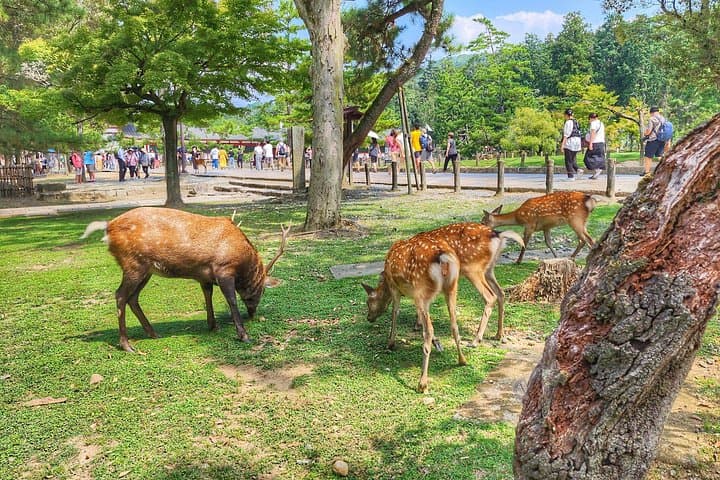
Step off the express train into a city where open lawns meet temple gates and deer wander like casual locals. The air in Nara Park carries the faint scent of cedar and incense; Sika deer lift their heads as if to greet you while the Great Buddha waits at the heart of Todaiji.
Step off the express train into a city where open lawns meet temple gates and deer wander like casual locals. The air in Nara Park carries the faint scent of cedar and incense; Sika deer lift their heads as if to greet you while the Great Buddha waits at the heart of Todaiji.
Todaiji sits within the sweep of the park as one of Japan’s architectural landmarks — a restored wooden hall that once marked the scale of imperial ambition when Nara was the Heijo-kyo capital in the 8th century. Nearby, Kasuga Taisha’s bronze and stone lanterns hang in quiet procession, their patterns born of Shinto ritual and the patronage of the Fujiwara clan. Naramachi’s narrow merchant streets preserve Edo-period shopfronts and small museums that explain everyday life across centuries.
This private full-day tour blends cultural history with outdoor time: wide lawns, temple courtyards, shaded cedar paths and the occasional bird calling from the woods that skirt Kasugayama Primeval Forest. Expect easy walking on paved and compacted-earth paths, brief uphill sections and many stairs at shrine precincts.
Practical guidance: wear supportive walking shoes, carry cash for small purchases and offerings, and bring a light rain layer. Respect local rules around feeding deer — only purchase the approved crackers sold at the park — and follow your guide’s instructions in crowded temple areas. The midday pause for a traditional lunch gives time to reset before an afternoon of shrine lanterns and museum visits. For a seamless day, take an early train from Kyoto and plan for an eight-hour outing with moderate walking and many photographic moments.