THE ADVENTURE COLLECTIVE® · Independent discovery and booking for outdoor travel

A high, quiet trek off the Annapurna Circuit, the Nar Phu Valley delivers Tibetan-influenced villages, glacial landscapes and passes above 5,000 m. This guide covers what to expect, permit needs, and practical planning for an 8–12 day high‑altitude route.
A high, quiet trek off the Annapurna Circuit, the Nar Phu Valley delivers Tibetan-influenced villages, glacial landscapes and passes above 5,000 m. This guide covers what to expect, permit needs, and practical planning for an 8–12 day high‑altitude route.
You step off the packed trail and into quiet — a high, thin air that tastes like stone and yak butter tea. The path narrows, terraces fall away to a braided river, and the twin settlements of Nar and Phu appear as compact clusters of flat-roofed houses clinging to the valley flank. Light slides across moraine and glacial cirque; prayer flags snap like small signals to the wind.
Verified experiences and guided adventures in the surrounding area.
Operated by Himalayan Trekking Path (P). Ltd. · Kathmandu, Gandaki Province
You step off the packed trail and into quiet — a high, thin air that tastes like stone and yak butter tea. The path narrows, terraces fall away to a braided river, and the twin settlements of Nar and Phu appear as compact clusters of flat-roofed houses clinging to the valley flank. Light slides across moraine and glacial cirque; prayer flags snap like small signals to the wind.
The Nar Phu Valley sits on the northern flank of the Annapurna massif and only opened to foreign trekkers in 2002. Geologically it’s carved by glacial tongues that expose folded schist and moraine ridges; culturally it reads like a Tibetan borderland, where monasteries, mani walls and yak pastures still shape daily life. Fewer trekkers here means trails often feel private and teahouse stays are intimate exchanges rather than business transactions.
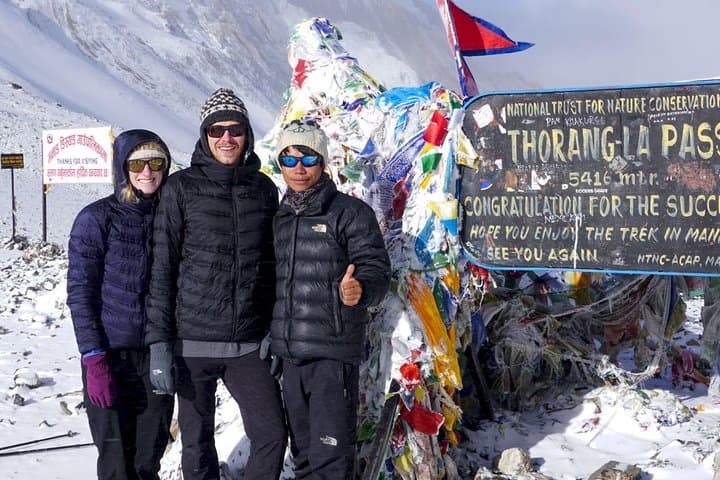
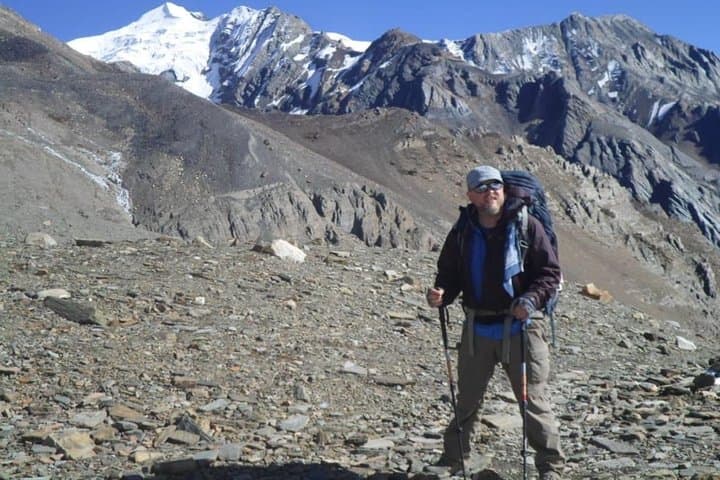
Practical guidance: this is high‑altitude trekking. Routes typically cross passes above 5,000 m and itineraries run about 8–12 days round trip depending on your start (Dharapani/Koto gateways are common). A Restricted Area Permit for Nar Phu and an ACAP permit are mandatory; a licensed local guide is strongly recommended and sometimes required. Expect rocky trails, steep switchbacks and basic teahouse accommodation. Prioritize a paced acclimatization schedule, layered clothing for wide diurnal swings, and water treatment since village supplies vary. Weather windows are best in spring and autumn; winter brings hard snow while the monsoon softens trails. With preparation, Nar Phu rewards solitude, close-up Himalayan geology and a living Tibetan culture off the beaten track.
challenging.
8–12 days.
Good cardiovascular fitness with previous multi‑day trekking experience and at least moderate altitude exposure recommended
Yes — trekkers must obtain both the Nar‑Phu Restricted Area Permit and the Annapurna Conservation Area Permit (ACAP); permits are issued in Kathmandu or Pokhara and a guide is often required.
Spring (April–May) and autumn (September–November) provide the most stable weather and clear mountain views; monsoon and winter present more hazards.
Yes, basic teahouses operate in Nar and Phu and along the route, offering simple meals and shared rooms, though standards are more rustic than on the main Annapurna Circuit.
No technical climbing is required for standard Nar‑Phu itineraries, but high‑altitude trekking experience and careful acclimatization are essential.
The valley opened to foreign trekkers in 2002; historically Nar and Phu are Tibetan‑cultural villages with cross‑border trade ties and monastic traditions.
The Restricted Area Permit and ACAP help limit visitor numbers and fund conservation; practice Leave No Trace and avoid single‑use plastics to protect fragile alpine habitats.
Himalayan Trekking Path (P). Ltd. operates guided outdoor trips and adventures with an emphasis on safety, stewardship, and memorable experiences.
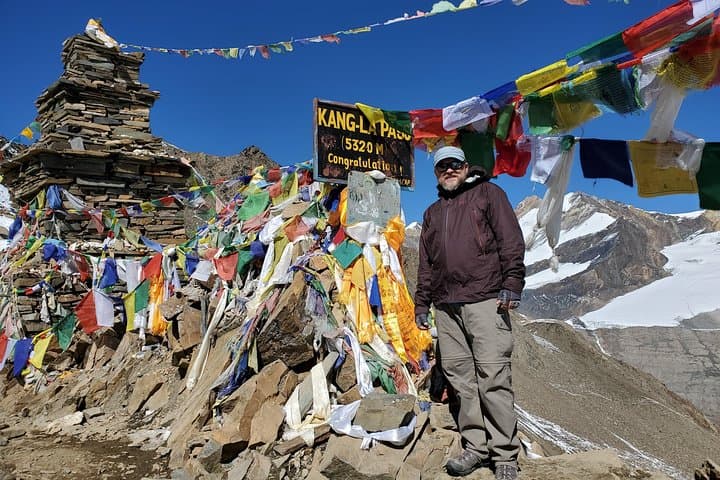
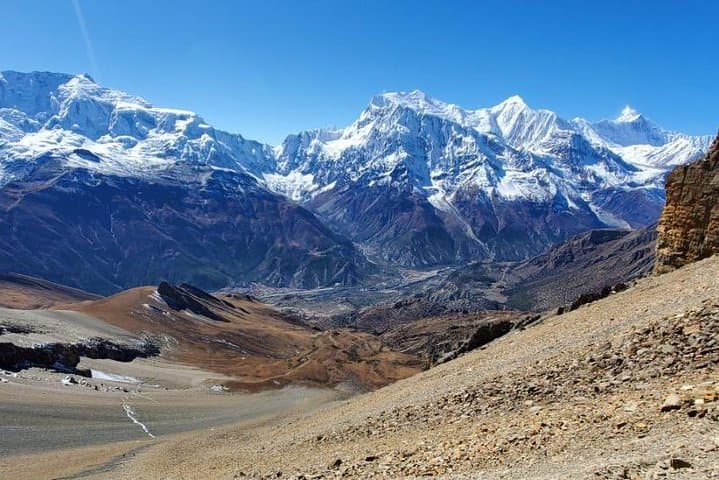
You step off the packed trail and into quiet — a high, thin air that tastes like stone and yak butter tea. The path narrows, terraces fall away to a braided river, and the twin settlements of Nar and Phu appear as compact clusters of flat-roofed houses clinging to the valley flank. Light slides across moraine and glacial cirque; prayer flags snap like small signals to the wind.
You step off the packed trail and into quiet — a high, thin air that tastes like stone and yak butter tea. The path narrows, terraces fall away to a braided river, and the twin settlements of Nar and Phu appear as compact clusters of flat-roofed houses clinging to the valley flank. Light slides across moraine and glacial cirque; prayer flags snap like small signals to the wind.
The Nar Phu Valley sits on the northern flank of the Annapurna massif and only opened to foreign trekkers in 2002. Geologically it’s carved by glacial tongues that expose folded schist and moraine ridges; culturally it reads like a Tibetan borderland, where monasteries, mani walls and yak pastures still shape daily life. Fewer trekkers here means trails often feel private and teahouse stays are intimate exchanges rather than business transactions.
Practical guidance: this is high‑altitude trekking. Routes typically cross passes above 5,000 m and itineraries run about 8–12 days round trip depending on your start (Dharapani/Koto gateways are common). A Restricted Area Permit for Nar Phu and an ACAP permit are mandatory; a licensed local guide is strongly recommended and sometimes required. Expect rocky trails, steep switchbacks and basic teahouse accommodation. Prioritize a paced acclimatization schedule, layered clothing for wide diurnal swings, and water treatment since village supplies vary. Weather windows are best in spring and autumn; winter brings hard snow while the monsoon softens trails. With preparation, Nar Phu rewards solitude, close-up Himalayan geology and a living Tibetan culture off the beaten track.