THE ADVENTURE COLLECTIVE® · Independent discovery and booking for outdoor travel

A remote Annapurna trek that moves from dense forests to high alpine villages and a 5,240 m pass. Expect teahouse nights, mandatory permits, and demanding acclimatization on a culturally rich route.
A remote Annapurna trek that moves from dense forests to high alpine villages and a 5,240 m pass. Expect teahouse nights, mandatory permits, and demanding acclimatization on a culturally rich route.
A thin light breaks across jagged ridgelines as you step off the trail into the Nar Phu Valley—wind polishing the snowfields, prayer flags snapping like small alarms. The route threads high pastures, stone chortens and tea-house clusters, climbing from Koto toward Phu and Nar before the long haul over Kang La (5,240 m) back into the Annapurna Circuit.
Verified experiences and guided adventures in the surrounding area.
Operated by Alpine Luxury Treks Pvt Ltd · Besisahar, Gandaki Province
A thin light breaks across jagged ridgelines as you step off the trail into the Nar Phu Valley—wind polishing the snowfields, prayer flags snapping like small alarms. The route threads high pastures, stone chortens and tea-house clusters, climbing from Koto toward Phu and Nar before the long haul over Kang La (5,240 m) back into the Annapurna Circuit.
This valley sits on the eastern flank of the Annapurna massif; its geology is raw—glacially carved valleys, moraine terraces and steep schist walls. Culturally, Nar and Phu are Tibetan-influenced villages where mani walls and gompas mark centuries of caravan and pastoral life. Historic salt-trade routes and seasonal yak migrations shaped the settlements, and monasteries like Tashi Lhakhang remain focal points for local ritual.
Expect long but steady days: forested approaches give way to alpine meadows, then exposed scree near high passes. Wildlife is shy but present—blue sheep and Himalayan griffon can appear on cliffs or thermals. Teahouses are basic: hot meals, shared rooms, and limited power; water often needs treating.
Practical edge: acclimatize—this is high-altitude trekking requiring a gradual schedule and at least one rest day in Phu. Pack layered insulation and a reliable rain shell; trekking poles reduce stress on knees during long descents. Carry Nepali rupees for teahouses and tips; permits (Nar Phu Special Permit and ACAP) are mandatory. Weather shifts fast: aim for clear morning starts and plan buffer days for the Kang La crossing. With the right preparation, this is a remote, atmospheric Himalayan traverse that rewards patience with wide mountain panoramas and intimate cultural encounters.
challenging.
9 days.
Requires strong cardiovascular fitness and experience with multi-day high-altitude trekking; able to hike 6–8 hours on steep terrain.
Yes—both the Nar Phu Special Permit and an Annapurna Conservation Area Permit (ACAP) are required and typically arranged before or at the start of the trek.
Kang La is long and high (5,240 m) rather than technically difficult; altitude and exposure make it a demanding day—prepare for a full day of ascent and descent.
Basic tea-house lodging with shared rooms, simple meals and limited hot water; higher camps have fewer amenities.
Spring (April–May) and fall (September–November) offer the most stable weather and best views; monsoon is unreliable and winter is cold and snowy.
Nar and Phu were historically on salt and wool trade routes between Tibet and the Nepalese lowlands; cultural life retains strong Tibetan Buddhist influence.
The Annapurna Conservation Area governs permits and visitor impact—stick to trails, avoid single-use plastics, and support local teahouses to benefit communities.
Alpine Luxury Treks Pvt Ltd operates guided outdoor trips and adventures with an emphasis on safety, stewardship, and memorable experiences.
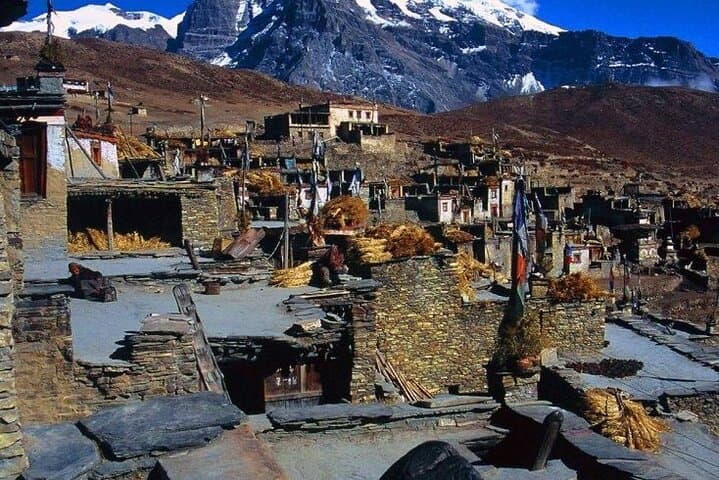
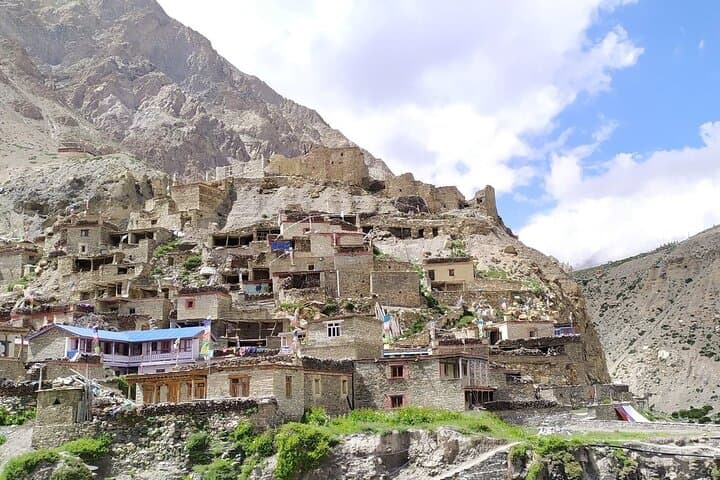
A thin light breaks across jagged ridgelines as you step off the trail into the Nar Phu Valley—wind polishing the snowfields, prayer flags snapping like small alarms. The route threads high pastures, stone chortens and tea-house clusters, climbing from Koto toward Phu and Nar before the long haul over Kang La (5,240 m) back into the Annapurna Circuit.
A thin light breaks across jagged ridgelines as you step off the trail into the Nar Phu Valley—wind polishing the snowfields, prayer flags snapping like small alarms. The route threads high pastures, stone chortens and tea-house clusters, climbing from Koto toward Phu and Nar before the long haul over Kang La (5,240 m) back into the Annapurna Circuit.
This valley sits on the eastern flank of the Annapurna massif; its geology is raw—glacially carved valleys, moraine terraces and steep schist walls. Culturally, Nar and Phu are Tibetan-influenced villages where mani walls and gompas mark centuries of caravan and pastoral life. Historic salt-trade routes and seasonal yak migrations shaped the settlements, and monasteries like Tashi Lhakhang remain focal points for local ritual.
Expect long but steady days: forested approaches give way to alpine meadows, then exposed scree near high passes. Wildlife is shy but present—blue sheep and Himalayan griffon can appear on cliffs or thermals. Teahouses are basic: hot meals, shared rooms, and limited power; water often needs treating.
Practical edge: acclimatize—this is high-altitude trekking requiring a gradual schedule and at least one rest day in Phu. Pack layered insulation and a reliable rain shell; trekking poles reduce stress on knees during long descents. Carry Nepali rupees for teahouses and tips; permits (Nar Phu Special Permit and ACAP) are mandatory. Weather shifts fast: aim for clear morning starts and plan buffer days for the Kang La crossing. With the right preparation, this is a remote, atmospheric Himalayan traverse that rewards patience with wide mountain panoramas and intimate cultural encounters.