THE ADVENTURE COLLECTIVE® · Independent discovery and booking for outdoor travel

A remote, high‑altitude trek north of the Annapurna Circuit that links medieval Tibetan villages, glacial valleys and panoramic passes. Ideal for fit trekkers prepared for altitude, long days, and guesthouse stays.
A remote, high‑altitude trek north of the Annapurna Circuit that links medieval Tibetan villages, glacial valleys and panoramic passes. Ideal for fit trekkers prepared for altitude, long days, and guesthouse stays.
You step off the jeep at Koto with wind cutting between stone houses and a sharp, cold clarity to the air; the valley ahead rises in folded ridgelines and the pale faces of Annapurna II and Himlung Himal crowd the skyline.
Verified experiences and guided adventures in the surrounding area.
Operated by Mount Advenutre Holidays · Nar, Gandaki Province
You step off the jeep at Koto with wind cutting between stone houses and a sharp, cold clarity to the air; the valley ahead rises in folded ridgelines and the pale faces of Annapurna II and Himlung Himal crowd the skyline.
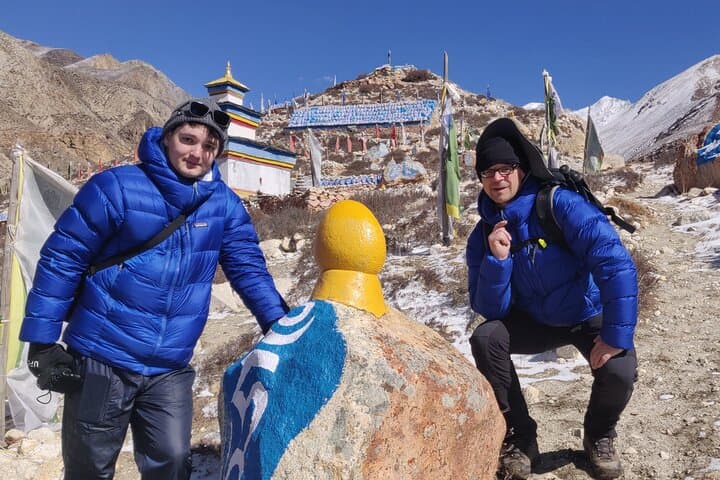
The Nar Phu Valley trek follows old trans‑Himalayan paths once used by Tibetan traders and shepherds. Geologically the route threads moraine‑carved valleys, glacial cirques and limestone ridges where abrupt elevation gains create alpine basins above 3,500 m. Villages such as Phu and Nar preserve medieval Tibetan cultural patterns—stone houses, prayer flags, and small gompas—where yak and barley remain lifelines.
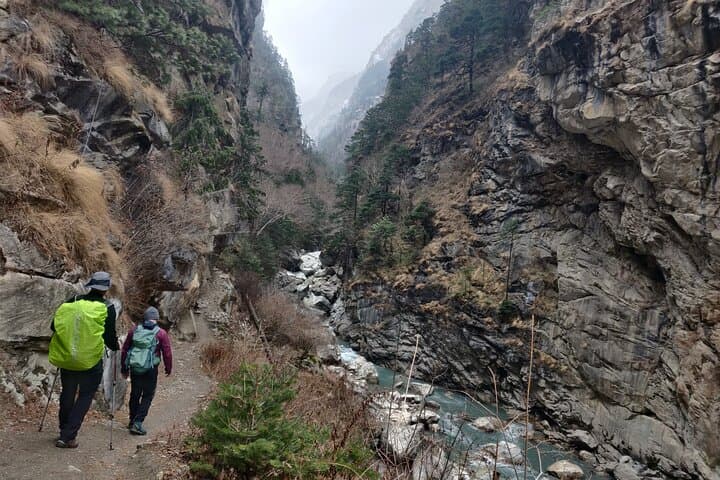
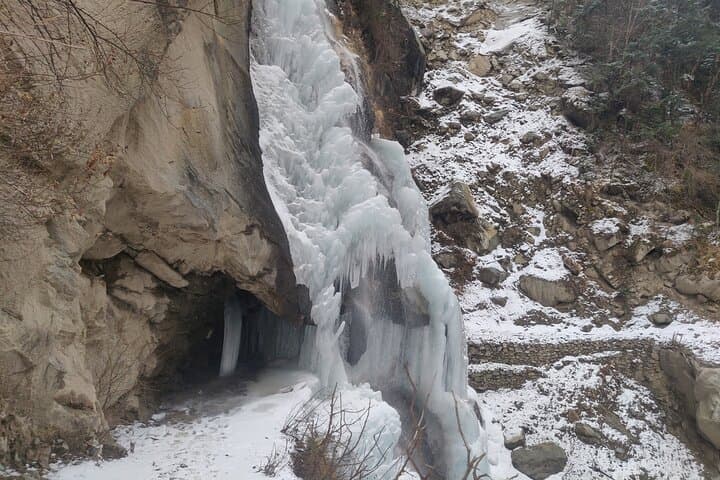
Expect narrow trails that alternate between river terraces and rocky switchbacks, with long, exposed approaches to passes like Kang La (≈5,240 m). Weather shifts fast; clear mornings can give way to wind and snow by afternoon. Wildlife is subtle: Himalayan thar on cliffs, and occasional blue sheep in higher scree.
Practically, this is a high‑altitude, guesthouse‑style trek best done in stable seasons (spring, autumn). Carry layered insulation, a reliable sleeping bag (loaned gear is often available), and plan extra acclimatization—Phu is worth a rest day for altitude adjustment and local walks. Daily stages are long: several 6–9 hour hiking days mixed with shorter transfers. Guides and permits are required; Nar Phu needs a special permit in addition to Annapurna Conservation Area and TIMS registration.
Hydrate, keep a steady pace, and let the valley’s quiet lead the rhythm of the day—this route rewards patient trekking with some of the most remote panoramas on the Annapurna massif.
challenging.
8–9 days.
Good aerobic fitness—able to hike 6–9 hours per day carrying a daypack and manage sustained climbs above 4,000 m.
Yes—trekkers must obtain a special Nar Phu permit in addition to Annapurna Conservation Area and TIMS registration; guides typically arrange these.
Serious—altitudes exceed 5,000 m; symptoms can occur. Allow acclimatization days, ascend slowly, and descend immediately if severe symptoms appear.
Guesthouse teahouses in villages provide simple rooms, shared bathrooms, and hot meals—expect basic comfort and communal spaces.
Spring (April–May) and fall (September–November) offer the most stable weather and the clearest views of the Annapurna massif.
The valley preserves medieval Tibetan‑influenced villages that served as livestock and trade stops between trans‑Himalayan routes.
This area lies within or adjacent to the Annapurna Conservation Area—respect local water sources, limit single‑use plastics, and follow leave‑no‑trace practices.
Mount Advenutre Holidays operates guided outdoor trips and adventures with an emphasis on safety, stewardship, and memorable experiences.
You step off the jeep at Koto with wind cutting between stone houses and a sharp, cold clarity to the air; the valley ahead rises in folded ridgelines and the pale faces of Annapurna II and Himlung Himal crowd the skyline.
You step off the jeep at Koto with wind cutting between stone houses and a sharp, cold clarity to the air; the valley ahead rises in folded ridgelines and the pale faces of Annapurna II and Himlung Himal crowd the skyline.
The Nar Phu Valley trek follows old trans‑Himalayan paths once used by Tibetan traders and shepherds. Geologically the route threads moraine‑carved valleys, glacial cirques and limestone ridges where abrupt elevation gains create alpine basins above 3,500 m. Villages such as Phu and Nar preserve medieval Tibetan cultural patterns—stone houses, prayer flags, and small gompas—where yak and barley remain lifelines.
Expect narrow trails that alternate between river terraces and rocky switchbacks, with long, exposed approaches to passes like Kang La (≈5,240 m). Weather shifts fast; clear mornings can give way to wind and snow by afternoon. Wildlife is subtle: Himalayan thar on cliffs, and occasional blue sheep in higher scree.
Practically, this is a high‑altitude, guesthouse‑style trek best done in stable seasons (spring, autumn). Carry layered insulation, a reliable sleeping bag (loaned gear is often available), and plan extra acclimatization—Phu is worth a rest day for altitude adjustment and local walks. Daily stages are long: several 6–9 hour hiking days mixed with shorter transfers. Guides and permits are required; Nar Phu needs a special permit in addition to Annapurna Conservation Area and TIMS registration.
Hydrate, keep a steady pace, and let the valley’s quiet lead the rhythm of the day—this route rewards patient trekking with some of the most remote panoramas on the Annapurna massif.