THE ADVENTURE COLLECTIVE® · Independent discovery and booking for outdoor travel

A remote 10-day trek into the Nar and Phu valleys takes you over Kang La Pass (5,322 m) through Tibetan-influenced villages, suspension bridges and pine forests. This itinerary balances strenuous high-altitude days with a vital acclimatization day in Phu Gaon.
A remote 10-day trek into the Nar and Phu valleys takes you over Kang La Pass (5,322 m) through Tibetan-influenced villages, suspension bridges and pine forests. This itinerary balances strenuous high-altitude days with a vital acclimatization day in Phu Gaon.
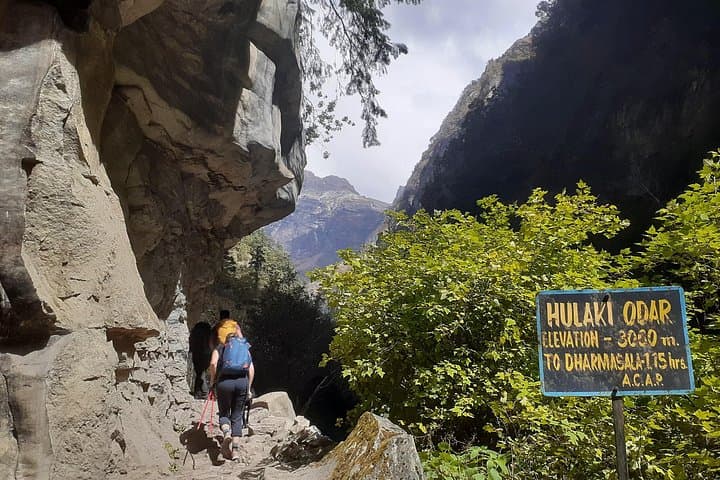
The trail opens with the thin, blue light of dawn over Kathmandu as your bus threads along the Marsyangdi River and climbs toward Dharapani. Pine-scented air and distant crests set the pace—the valley ahead narrows, cliffs loom, and villages appear like stone-woven time capsules. On day three the path rises through fir and rhododendron, then gives a first, teasing view of Annapurna II.
Verified experiences and guided adventures in the surrounding area.
Operated by Trek Mania Nepal · Manang, Gandaki Province
The trail opens with the thin, blue light of dawn over Kathmandu as your bus threads along the Marsyangdi River and climbs toward Dharapani. Pine-scented air and distant crests set the pace—the valley ahead narrows, cliffs loom, and villages appear like stone-woven time capsules. On day three the path rises through fir and rhododendron, then gives a first, teasing view of Annapurna II.
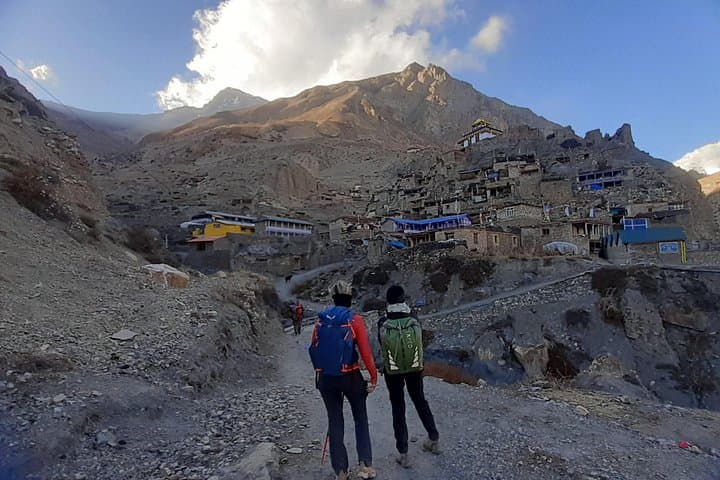
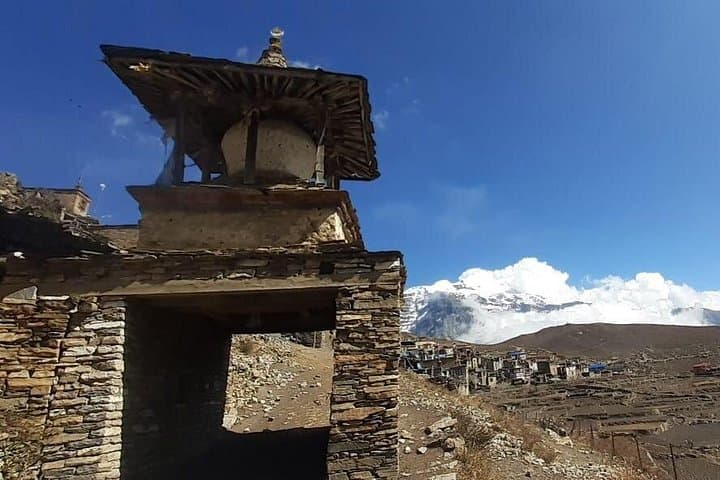
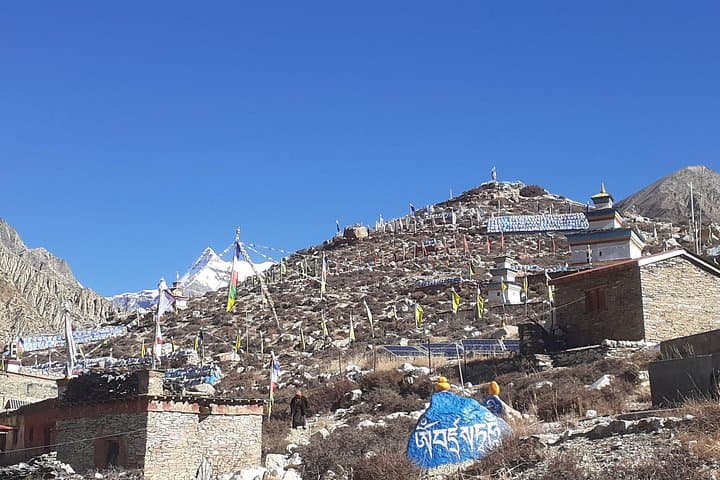
Nar and Phu sit on the rain-shadowed, high Tibetan plateau north of the Annapurna massif. Geologically the route cuts between ancient metamorphic ranges and glacially carved valleys; Kang La Pass (5,322 m) offers one of the clearest cross-sections of that uplifted terrain. Culturally the region preserves Tibetan-influenced stone houses, mani walls, and monasteries such as Tashi Lhakhang—remnants of trans-Himalayan pilgrimage and trade.
Expect remote trails with suspension bridges, steep switchbacks, and sustained altitude gain (from ~1,350 m in Kathmandu to 5,322 m at Kang La). Phu Gaon’s high pastures and Nar’s stupas show a lived-in, agrarian highland culture. Practically: permits (ACAP & TIMS) are required and commonly arranged by operators, teahouses provide basic meals and dorm-style rooms, and one acclimatization day in Phu is essential. Key stretches (e.g., Koto→Meta and parts above Meta) are exposed and require carrying a packed lunch.
Prepare for variable weather—clear mornings and cold nights—and plan footwear, layers, and gradual pacing to manage altitude. The trek rewards persistence: high passes, sweeping Himalayan panoramas, and an intimate look at mountain village life.
challenging.
10 days (daily walks 4–8 hours; key days 6–8 hours).
Good aerobic fitness and prior multi-day trekking experience; comfort with prolonged uphill and high-altitude conditions required
Yes—ACAP and TIMS permits (Nar Phu restricted area permit) are required; the operator typically arranges these before departure.
Not strictly, but previous multi-day trekking experience and progressive acclimatization are strongly recommended given the 5,322 m pass.
Mostly teahouse lodges and village guesthouses with basic dorm-style rooms and communal dining; facilities are simpler in remote Phu and Nar.
Recognize symptoms early, rest and hydrate, descend if symptoms worsen, and consider acetazolamide after consulting a physician; the itinerary includes an acclimatization day.
Nar and Phu are part of traditional trans-Himalayan routes with Tibetan cultural and architectural influences; local monasteries reflect centuries of Buddhist practice.
The region is regulated by ACAP permits and conservation rules; minimize impact by packing out trash, using reusable utensils, and supporting local teahouses.
Trek Mania Nepal operates guided outdoor trips and adventures with an emphasis on safety, stewardship, and memorable experiences.
The trail opens with the thin, blue light of dawn over Kathmandu as your bus threads along the Marsyangdi River and climbs toward Dharapani. Pine-scented air and distant crests set the pace—the valley ahead narrows, cliffs loom, and villages appear like stone-woven time capsules. On day three the path rises through fir and rhododendron, then gives a first, teasing view of Annapurna II.
The trail opens with the thin, blue light of dawn over Kathmandu as your bus threads along the Marsyangdi River and climbs toward Dharapani. Pine-scented air and distant crests set the pace—the valley ahead narrows, cliffs loom, and villages appear like stone-woven time capsules. On day three the path rises through fir and rhododendron, then gives a first, teasing view of Annapurna II.
Nar and Phu sit on the rain-shadowed, high Tibetan plateau north of the Annapurna massif. Geologically the route cuts between ancient metamorphic ranges and glacially carved valleys; Kang La Pass (5,322 m) offers one of the clearest cross-sections of that uplifted terrain. Culturally the region preserves Tibetan-influenced stone houses, mani walls, and monasteries such as Tashi Lhakhang—remnants of trans-Himalayan pilgrimage and trade.
Expect remote trails with suspension bridges, steep switchbacks, and sustained altitude gain (from ~1,350 m in Kathmandu to 5,322 m at Kang La). Phu Gaon’s high pastures and Nar’s stupas show a lived-in, agrarian highland culture. Practically: permits (ACAP & TIMS) are required and commonly arranged by operators, teahouses provide basic meals and dorm-style rooms, and one acclimatization day in Phu is essential. Key stretches (e.g., Koto→Meta and parts above Meta) are exposed and require carrying a packed lunch.
Prepare for variable weather—clear mornings and cold nights—and plan footwear, layers, and gradual pacing to manage altitude. The trek rewards persistence: high passes, sweeping Himalayan panoramas, and an intimate look at mountain village life.