THE ADVENTURE COLLECTIVE® · Independent discovery and booking for outdoor travel

Walk Napier’s rebuilt 1930s streets with a local guide on this compact, two-hour Art Deco tour. Learn the story of the 1931 earthquake, see iconic façades, and get practical tips for photos and follow-up exploring.
Walk Napier’s rebuilt 1930s streets with a local guide on this compact, two-hour Art Deco tour. Learn the story of the 1931 earthquake, see iconic façades, and get practical tips for photos and follow-up exploring.
Step off the curb and into 1930s Napier: sun glances off pale stucco, geometric balustrades cut sharp against the harbour, and the coastal breeze teases the edges of a city rebuilt with an eye for optimism. On a two-hour small-group tour, a local guide threads together streets and stories—showing the National Tobacco Building in Ahuriri, sweeping residential crescents in Marewa and the most photographed Art Deco façades near the central city.
Verified experiences and guided adventures in the surrounding area.
Operated by Hawkes Bay Scenic Tours · Napier, Hawke's Bay
Step off the curb and into 1930s Napier: sun glances off pale stucco, geometric balustrades cut sharp against the harbour, and the coastal breeze teases the edges of a city rebuilt with an eye for optimism. On a two-hour small-group tour, a local guide threads together streets and stories—showing the National Tobacco Building in Ahuriri, sweeping residential crescents in Marewa and the most photographed Art Deco façades near the central city.
The tour frames Napier's rebirth after the 1931 earthquake, a seismic event that flattened the town and prompted a coordinated, modern rebuilding in the global Art Deco idiom. Geology and human resolve are visible in the raised shoreline and the grid of streets laid down as the town rose again. Cultural notes appear in frontage details: Māori motifs incorporated alongside industrial-era optimism, and long-standing fishing and wine industries that give Hawke’s Bay its character.
Practically, this is a low-impact, observational outing—mostly on quiet streets with a few short stops for photos and building histories. Expect light walking, several roadside stops, and a mix of open sun and shaded verandas. Bring sunscreen and a wind layer for the harbor, charge your camera, and plan for easy access if traveling with a stroller or limited mobility.
Guides share local takeaways—best time for golden-hour photos, nearby cafés that pour local wines, and how Napier’s Art Deco festival animates the city each February—so travelers leave with routes to explore and an informed appreciation of why this small city is called the world’s Art Deco capital.
easy.
2–2.5 hours.
Suitable for all fitness levels; requires standing and short walks along city streets.
The tour lasts about 2 hours (approximately 130 minutes) with light walking on paved streets and several short stops to view buildings.
Yes; the tour notes stroller accessibility and is suitable for children, though check pickup logistics for any special needs.
The itinerary focuses on exterior viewing and guided narration; select stops may include entry to a featured Art Deco building when available.
Tours may be cancelled in severe weather for safety; check cancellation terms and rebook options—light rain usually proceeds with appropriate sheltering stops.
Napier was largely rebuilt after the 1931 earthquake, leading to an unusually cohesive concentration of Art Deco architecture from the 1930s.
Local operators emphasize low-impact touring—use designated paths, avoid touching fragile façades, and support small businesses to keep heritage buildings maintained.
Hawkes Bay Scenic Tours operates guided outdoor trips and adventures with an emphasis on safety, stewardship, and memorable experiences.
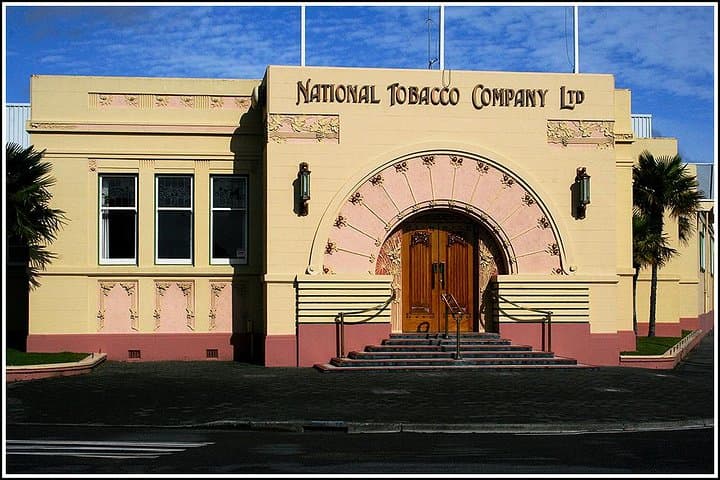
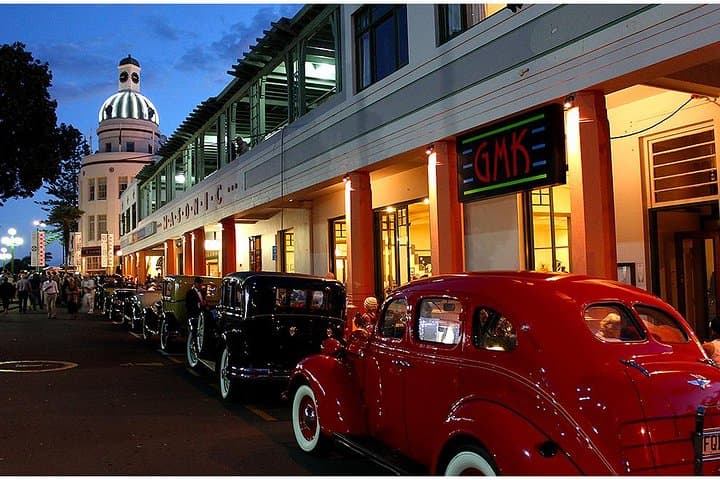
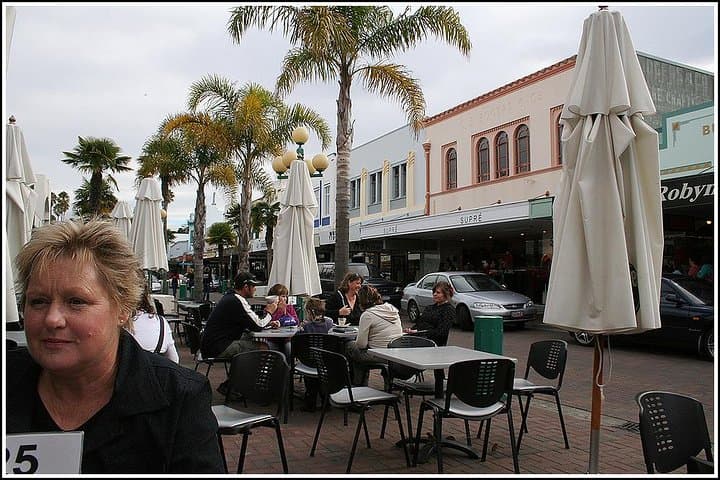
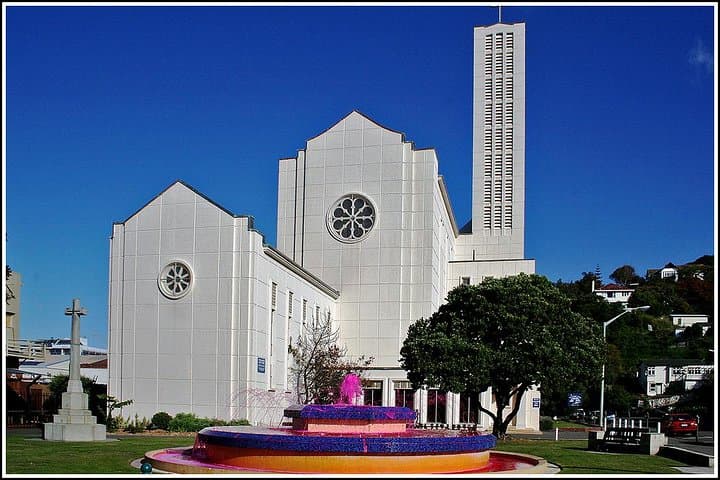
Step off the curb and into 1930s Napier: sun glances off pale stucco, geometric balustrades cut sharp against the harbour, and the coastal breeze teases the edges of a city rebuilt with an eye for optimism. On a two-hour small-group tour, a local guide threads together streets and stories—showing the National Tobacco Building in Ahuriri, sweeping residential crescents in Marewa and the most photographed Art Deco façades near the central city.
Step off the curb and into 1930s Napier: sun glances off pale stucco, geometric balustrades cut sharp against the harbour, and the coastal breeze teases the edges of a city rebuilt with an eye for optimism. On a two-hour small-group tour, a local guide threads together streets and stories—showing the National Tobacco Building in Ahuriri, sweeping residential crescents in Marewa and the most photographed Art Deco façades near the central city.
The tour frames Napier's rebirth after the 1931 earthquake, a seismic event that flattened the town and prompted a coordinated, modern rebuilding in the global Art Deco idiom. Geology and human resolve are visible in the raised shoreline and the grid of streets laid down as the town rose again. Cultural notes appear in frontage details: Māori motifs incorporated alongside industrial-era optimism, and long-standing fishing and wine industries that give Hawke’s Bay its character.
Practically, this is a low-impact, observational outing—mostly on quiet streets with a few short stops for photos and building histories. Expect light walking, several roadside stops, and a mix of open sun and shaded verandas. Bring sunscreen and a wind layer for the harbor, charge your camera, and plan for easy access if traveling with a stroller or limited mobility.
Guides share local takeaways—best time for golden-hour photos, nearby cafés that pour local wines, and how Napier’s Art Deco festival animates the city each February—so travelers leave with routes to explore and an informed appreciation of why this small city is called the world’s Art Deco capital.